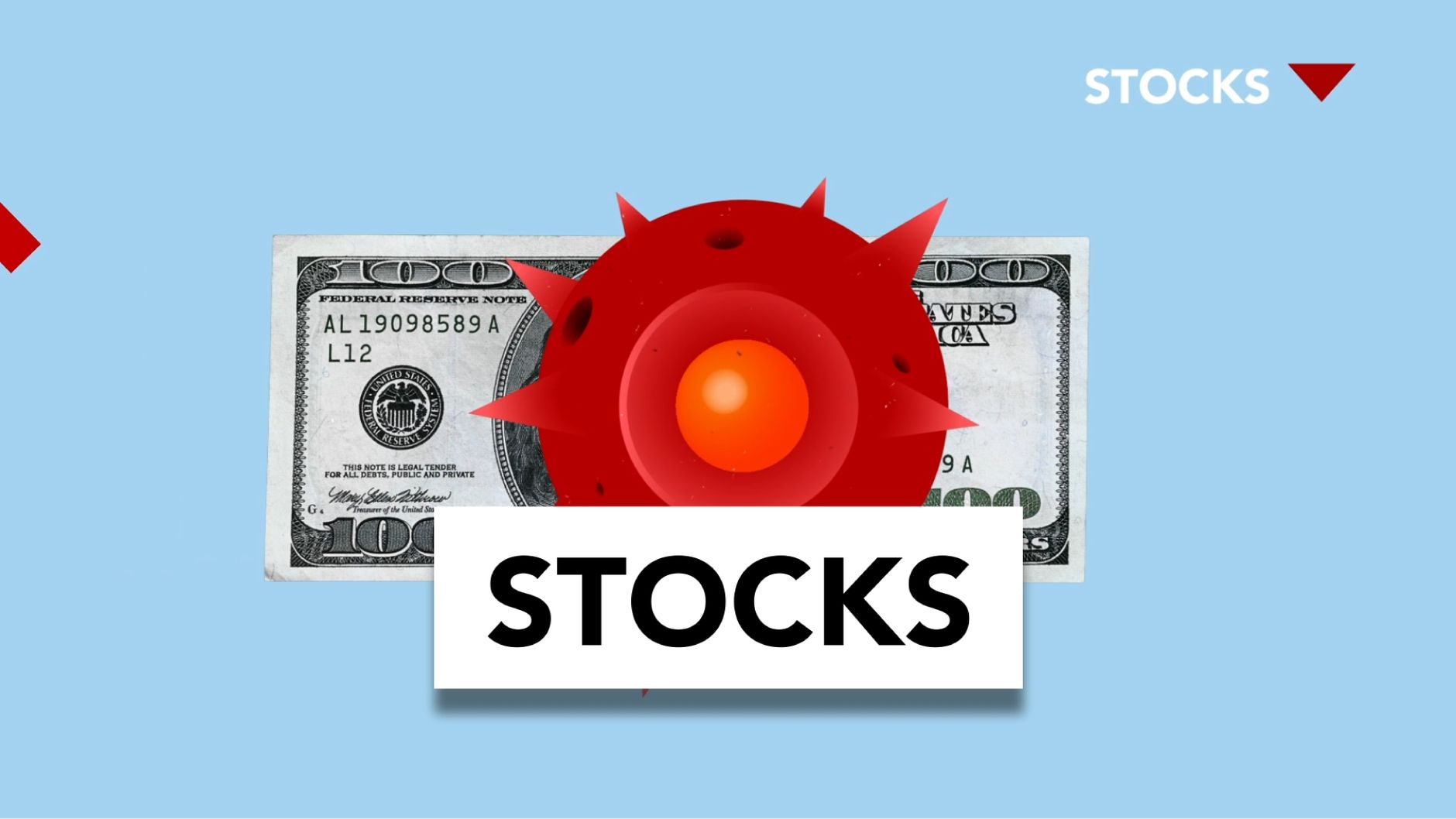
CEA Anantha Nageswaran Says AI Stock Valuations Definitely in a Bubble: What This Means for You
In a frank assessment that has sent ripples through India’s financial markets, Chief Economic Advisor Anantha Nageswaran has openly stated that artificial intelligence stock valuations are “definitely in a bubble.” This blunt observation from one of India’s top economic policymakers deserves your attention, whether you’re a seasoned investor in Chennai’s thriving financial district or someone just beginning to understand stock markets.
What Did the CEA Actually Say?
Anantha Nageswaran, serving as India’s Chief Economic Advisor, made headlines by declaring that the astronomical valuations of AI-related companies represent a classic market bubble. Unlike many economists who speak in carefully measured terms, Nageswaran’s straightforward language cuts through the noise of tech-stock enthusiasm that has gripped global markets, including India’s own share markets.
His statement comes at a time when tech companies-particularly those heavily invested in artificial intelligence-have seen their stock prices soar to unprecedented levels. Companies developing AI tools, chips, and software have attracted massive investor interest, with some valuations reaching stratospheric heights that bear little relation to current earnings or near-term profitability.
Why Should Indians Care About This Warning?
If you’ve been following the sensex or nifty indices, you’ll know that Indian stock markets are closely tied to global trends. Many Indian companies, from IT giants like TCS and Infosys to newer fintech ventures, are racing to capitalize on AI opportunities. Additionally, a significant portion of Indian retail investors’ mutual fund portfolios contain stocks that benefit from or are exposed to the AI boom.
When the world’s largest economies-and their top economic advisors-sound warnings about overvaluation, it’s time to listen. The Indian market has historically been affected by global corrections, and a major AI bubble burst could trigger a broader market downturn that would impact your investments, retirement funds, and savings.
The Context: A Bubble Waiting to Pop?
The AI revolution has undoubtedly captured investor imagination worldwide. Since the launch of ChatGPT and similar tools, companies remotely connected to AI have seen their stock prices multiply. Some have increased 200%, 300%, or more-gains that far exceed what their actual business results would justify.
Nageswaran’s concern isn’t unfounded. In economic history, whenever a transformative technology emerges-whether railways in the 1800s, dot-com companies in 2000, or cryptocurrencies in 2021-we’ve seen similar patterns. Spectacular innovation is followed by investor euphoria, inflated valuations, and eventually, a harsh correction.
The difference with AI is that it’s genuinely transformative. Unlike some previous bubbles where the underlying technology had limited real-world applications, AI does have substantial practical potential. However, potential and current valuation don’t always match, which is precisely where the bubble lies.
Tamil Nadu and Chennai’s AI Connection
Interestingly, Tamil Nadu is positioning itself as a major hub for AI and technology development. With IT companies headquartered in Chennai and a growing startup ecosystem, the state’s economy is increasingly tied to AI’s success. While this is positive for long-term growth, it also means Tamil Nadu investors are particularly exposed to AI market fluctuations.
Several Chennai-based IT and business process companies have jumped onto the AI bandwagon, launching AI-powered services and transforming their business models. If a significant AI bubble correction occurs, these companies-and by extension, Tamil Nadu’s economy-could face headwinds. This makes Nageswaran’s warning especially relevant for investors in the region.
What a Bubble Pop Actually Looks Like
History shows us that market corrections following bubble phases can be severe. The 2008 financial crisis, the 2000 dot-com bust, and other corrections have caused significant losses for investors who didn’t heed early warnings. A bubble pop doesn’t mean AI technology disappears or becomes useless-it means prices correct downward to reflect realistic valuations.
For many AI stocks, such corrections could mean 30-70% price drops. For investors who bought at the peak, this represents significant losses. For those who bought earlier or understand the market cycle, corrections can present buying opportunities.
What Should Indian Investors Do Now?
Don’t Panic, but Do Review: Nageswaran’s warning isn’t a signal to exit the market entirely. Instead, it’s a call to carefully review your holdings and exposure. Look at your mutual funds, direct stock holdings, and investment portfolio to understand how much you’ve allocated to AI-related companies.
Diversify Your Portfolio: If you’ve concentrated your investments in AI stocks or tech-heavy funds, this is an excellent time to diversify. Consider spreading investments across sectors, asset classes, and geographies. A well-diversified portfolio cushions you against sector-specific downturns.
Check Valuations: Before buying any stock, especially in the tech or AI space, examine its Price-to-Earnings ratio and Price-to-Sales ratio compared to historical averages and industry peers. Unusually high multiples suggest overvaluation.
Think Long-term: While short-term corrections can hurt, remember that AI technology is genuinely transformative. Rather than trying to time the market, maintain a long-term investment horizon. Young investors with 20-30 years until retirement can ride out corrections and benefit from long-term AI growth once valuations normalize.
Consult a Financial Advisor: Every investor’s situation is unique. Consider consulting a SEBI-registered financial advisor who can provide personalized guidance based on your goals, risk tolerance, and timeline.
The Bottom Line
Anantha Nageswaran’s straightforward assessment that AI stock valuations are in a bubble isn’t meant to kill enthusiasm for transformative technology. Rather, it’s a reality check from someone with his finger on India’s economic pulse. The technology is real and important, but the prices being paid for some AI companies have disconnected from reality.
As investors in India-whether based in Chennai, Bangalore, or anywhere else-our responsibility is to stay informed, assess our risk, and make decisions based on evidence rather than hype. Nageswaran has handed us that evidence. What we do with it is up to us.