AI Workloads Push Data Centres to Upgrade Fire and Cooling Systems
India’s rapidly expanding artificial intelligence infrastructure is creating an unexpected crisis: our data centres weren’t built for this. As companies rush to deploy AI workloads-from machine learning models to large language processing systems-data centre operators across the country are discovering that their existing fire suppression and cooling systems are struggling to keep pace. This challenge is hitting particularly hard in technology hubs like Chennai, which is emerging as India’s Silicon Valley for data centre operations.
The AI Heat Crisis: Why Data Centres Are Overheating
Artificial intelligence systems consume electricity at staggering rates. Unlike traditional server workloads that operate intermittently, AI training and inference operations run continuously, generating enormous amounts of heat. A single GPU cluster running large language models can consume as much power as a small town, and when multiple such systems operate in the same facility, the thermal load becomes unprecedented.
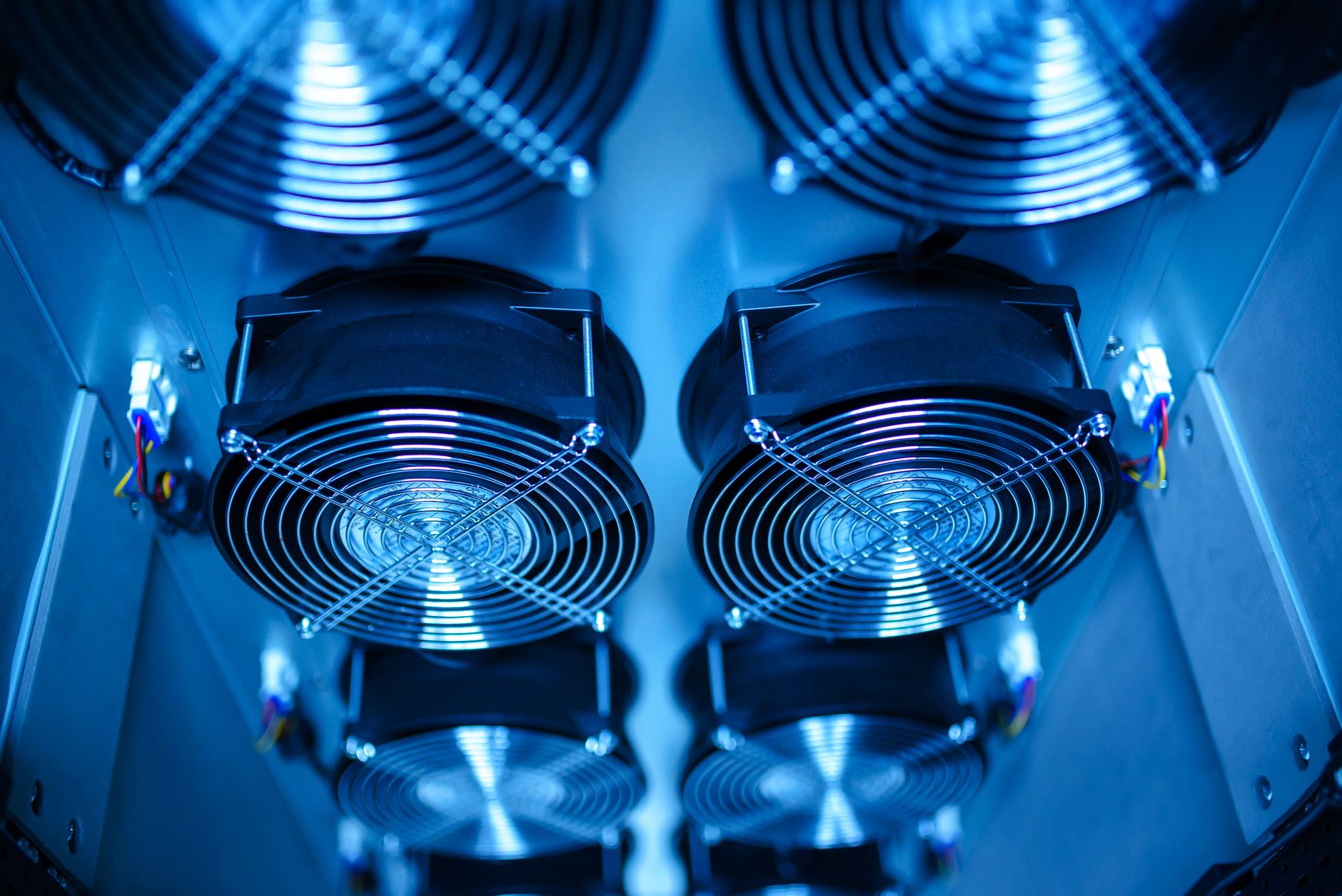
Traditional data centre cooling systems, designed for conventional computing workloads, are simply inadequate. Water-cooled systems that worked fine for legacy operations are now running at maximum capacity, and in some cases, facilities are experiencing thermal throttling-where servers automatically reduce their performance to prevent overheating. This defeats the purpose of deploying expensive AI infrastructure.
The situation is particularly acute in India because most of our existing data centre infrastructure was built 5-10 years ago, before the AI explosion. These facilities now face a modernization challenge that’s both technically complex and financially substantial.
Chennai and Tamil Nadu: At the Centre of India’s Data Centre Revolution
Tamil Nadu, and Chennai specifically, has positioned itself as a major data centre hub. The state government has been actively promoting data centre investments, offering incentives and developing tech parks specifically designed for hosting facilities. Several international data centre operators have already established operations here, and many more are planning expansions.
However, the AI workload surge is catching these facilities unprepared. Data centre operators in Chennai are now facing dual challenges: upgrading their cooling infrastructure while simultaneously managing the scorching Tamil Nadu climate. The region’s temperature and humidity add complexity to cooling system design-what works in cooler climates may require significant modification for Chennai’s conditions.
Industry sources indicate that at least 15-20 major data centre facilities in Tamil Nadu are planning significant infrastructure upgrades in the next 18-24 months, with cooling system overhauls being the top priority. This represents hundreds of crores in capital expenditure, likely to boost local construction and engineering sectors.
Fire Safety Becomes Critical Concern
Beyond cooling, fire safety presents another urgent challenge. Modern data centres use sophisticated fire suppression systems-many of them using gas-based solutions like FM-200 or inert gases, rather than water, to protect expensive equipment. However, these systems were designed for conventional data centre densities.
AI server configurations create higher power densities in smaller spaces. If a fire starts in an AI cluster, the fire suppression system must respond faster and more effectively than traditional systems allow. Additionally, the increased heat generation creates more potential ignition points, making fire prevention more critical than ever.
Several data centre operators have already experienced minor fire incidents in high-density AI sections-nothing catastrophic, but enough to raise alarm bells. These incidents have prompted facility managers to review their fire suppression capacity and thermal management protocols comprehensively.
What India’s Tech Companies and Startups Need to Know
If you’re an AI startup or tech company looking to deploy machine learning models, you should know that data centre capacity in India is getting tighter. Facilities that can reliably handle high-density AI workloads are limited, and costs are rising as operators invest in upgrades. Many companies are facing longer wait times to get their AI infrastructure deployed.
For companies in Chennai and Tamil Nadu specifically, this is both a challenge and an opportunity. While infrastructure constraints may delay some projects, they also represent a moment where local data centre operators are investing heavily in cutting-edge facilities. Within 12-24 months, Chennai could have some of India’s most advanced AI-capable data centres.
The Broader Implications for India’s AI Ambitions
India’s aspirations to become an AI superpower depend critically on having robust infrastructure. This current crisis-while uncomfortable-is actually a healthy forcing function. It’s pushing data centre operators to modernize, invest in advanced cooling technologies, and build facilities that can genuinely support next-generation computing workloads.
The upgrades underway will likely position India better than many developing nations for the AI era. Countries that skip this infrastructure modernization phase will face severe limitations later.
Practical Steps for Indian Tech Companies
1. Start conversations with data centre operators now: If you’re planning to deploy AI workloads, connect with facility managers about their cooling capacity and upgrade timelines. Don’t assume existing capacity will suffice.
2. Consider hybrid approaches: Some companies are distributing workloads across multiple facilities to reduce thermal concentration. This isn’t ideal, but it’s practical during the transition period.
3. Explore edge computing options: Not all AI workloads need to run in centralized data centres. Edge computing and distributed inference can reduce reliance on large, thermally-intensive clusters.
4. Support local infrastructure development: Back companies and initiatives that are upgrading Tamil Nadu’s data centre infrastructure. This benefits everyone in the ecosystem.
5. Plan for higher costs: Data centre pricing will likely increase as operators invest in upgrades. Budget accordingly for your AI infrastructure in 2024-2025.
The AI revolution is here, and it’s pushing India’s infrastructure to evolve. The good news? We’re responding, adapting, and building better. Chennai and Tamil Nadu are at the forefront of this transformation-and that’s something to watch closely.