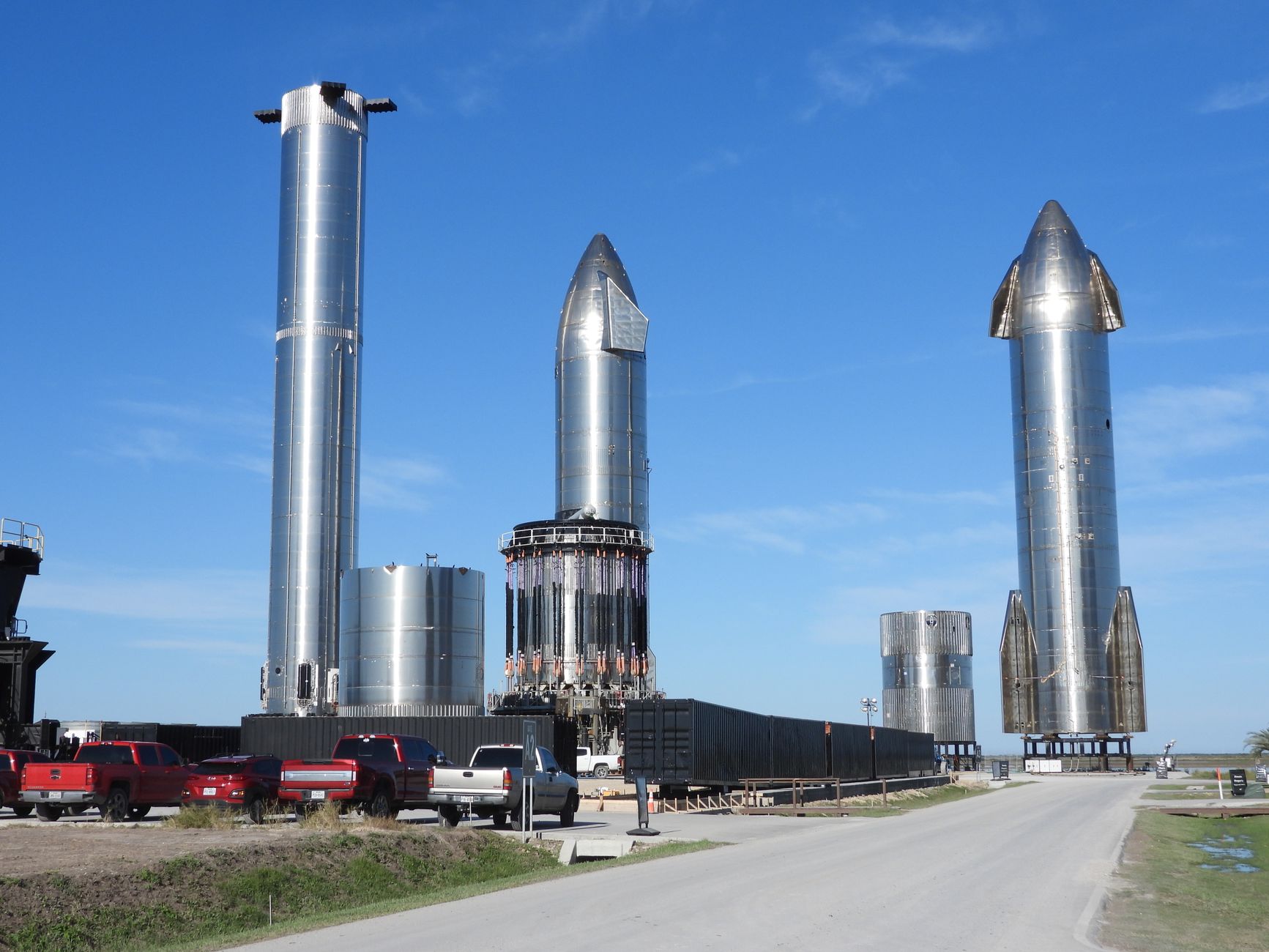
SpaceX: Five Key Moments From First Launch to Starship Megarocket
When most of us think about space exploration, we picture NASA or perhaps ISRO-India’s own space agency. But over the past two decades, SpaceX has revolutionized what’s possible in space travel. For those of us in India, understanding SpaceX’s journey matters more than you might think. From inspiring our own engineers to creating commercial opportunities, SpaceX’s milestones affect India’s position in the global space economy. Let’s explore five pivotal moments that changed space exploration forever.
1. Falcon 1: The First Private Orbital Launch (2008)
SpaceX’s journey began with humble ambitions but tremendous challenges. On September 28, 2008, Falcon 1 became the first privately-developed liquid-fueled rocket to reach orbit. This might sound technical, but here’s why it matters: before this moment, only government agencies could afford to launch rockets into space. Falcon 1 proved a private company could do it too.
The significance? Space technology suddenly became accessible beyond government budgets. For India’s growing tech sector, this opened doors. Indian startups and researchers could now collaborate with commercial space companies, not just government institutions. Companies like Skyroot Aerospace in Hyderabad took inspiration from this model to build India’s first private rocket.
Though Falcon 1 didn’t carry cargo to profitable destinations, it shattered the myth that space access required billions in government funding-a lesson India’s entrepreneurs are actively using today.
2. Falcon 9 and the Commercial Revolution (2010)
Three years later, SpaceX launched Falcon 9 in 2010, a more powerful rocket that could carry significant payloads. This wasn’t just an incremental upgrade; it represented SpaceX’s shift toward commercially viable space transportation. Falcon 9 could deliver cargo to the International Space Station (ISS), meaning SpaceX could earn revenue from actual contracts.
Why does this matter to Indians? Because it proved the commercial space model works. Today, India’s space sector is evolving beyond ISRO’s traditional government-only approach. Private players are entering the market, partly because SpaceX showed the world it’s profitable. The Indian government’s 2023 decision to allow private companies in satellite launches and space manufacturing was influenced by exactly this commercial success story.
Falcon 9’s success also created competition that drove down space launch costs globally-making space services more affordable for Indian researchers, startups, and educational institutions.
3. The Falcon 9 First Stage Landing (2015)
Here’s where things got truly revolutionary. On December 21, 2015, SpaceX achieved something NASA had only dreamed about: landing a rocket’s first stage back on Earth so it could be reused. This wasn’t a small test-it was a Falcon 9 that had just launched cargo to space, and its first stage came back down and landed itself on a platform.
Think about this: airplane tickets are affordable partly because airlines reuse planes hundreds of times. Before this moment, rockets were one-time-use items that cost hundreds of millions of dollars. SpaceX’s reusable rocket technology changed the economics of space completely.
For India, this matters because reduced launch costs democratize space access. Indian universities, research institutions, and startups can now afford to send experiments to space. Organizations like IIT Bombay and IIT Madras in Chennai have already benefited from affordable launch services, conducting research that would have been impossible at previous price points.
4. Dragon Spacecraft and NASA Partnership (2020)
In May 2020, SpaceX’s Crew Dragon spacecraft carried NASA astronauts to the International Space Station-marking the first commercial crew mission. This was historic because it transferred a crucial government function to the private sector while maintaining the highest safety standards.
The ripple effects reached India. When NASA partners with SpaceX, it validates commercial space operations at the highest level. This gave Indian government confidence to accelerate private space industry growth. Today, Indian companies like Agnikul Cosmos (based in Chennai, Tamil Nadu!) are building small-lift launch vehicles inspired by this public-private partnership model.
For Indian tech professionals, this opened career paths. Engineers trained by ISRO and Indian space companies increasingly collaborate with international commercial partners, creating a talent pipeline that strengthens India’s space ecosystem.
5. Starship Development and the Mars Vision (2023-Present)
The most ambitious chapter continues now. Starship is SpaceX’s megarocket designed for deep space exploration-potentially carrying humans to Mars and beyond. In April 2023, the first integrated flight test happened (though it ended in an explosion, valuable data was collected). Subsequent tests in 2024 achieved successive milestones, including booster catches and reentry tests.
Why should Indians care about a rocket designed for Mars? Because Starship represents humanity’s shift toward multi-planetary civilization. India has shown ambitions in this direction-ISRO’s Chandrayaan missions explore the Moon, and there’s talk of Indian astronauts eventually traveling to space through India’s own program.
Starship’s success will shape international space policy, collaboration frameworks, and technology standards that India will navigate. For the next generation of Indian engineers in Chennai, Bangalore, and Hyderabad, understanding this technology matters for career preparation in India’s growing space sector.
What This Means for India’s Digital and Space Future
SpaceX’s journey from a struggling startup to a company launching humanity into deep space proves that innovation, perseverance, and commercial viability can coexist. For India, these lessons are invaluable. Our startup ecosystem, our tech talent, and our space ambitions are all shaped by what SpaceX proved possible.
The convergence of AI, satellite technology, and space access is creating opportunities in the Indian tech sector. Companies analyzing satellite imagery for agriculture, urban planning, and disaster management need affordable space access-something SpaceX enabled.
Practical Advice for Indian Readers
If you’re interested in space technology: Consider following India’s space industry closely. Companies like Skyroot Aerospace and Agnikul Cosmos (based right here in Tamil Nadu!) are hiring. Engineering graduates with interest in robotics, AI, and aerospace have genuine opportunities in India’s emerging commercial space sector.
If you’re an investor: India’s space economy is projected to grow significantly. Private space companies represent genuine investment opportunities, though they carry appropriate risk.
For students: Learn about satellite technology, AI applications in space data analysis, and rocket engineering. India’s space sector needs talent, and SpaceX’s success proves private companies will compete to hire the best.
SpaceX’s journey reminds us that transformation happens when visionary thinking meets technical excellence and commercial pragmatism. India’s space sector is taking notes-and Chennai’s growing tech ecosystem is ready to write the next chapter of this story.