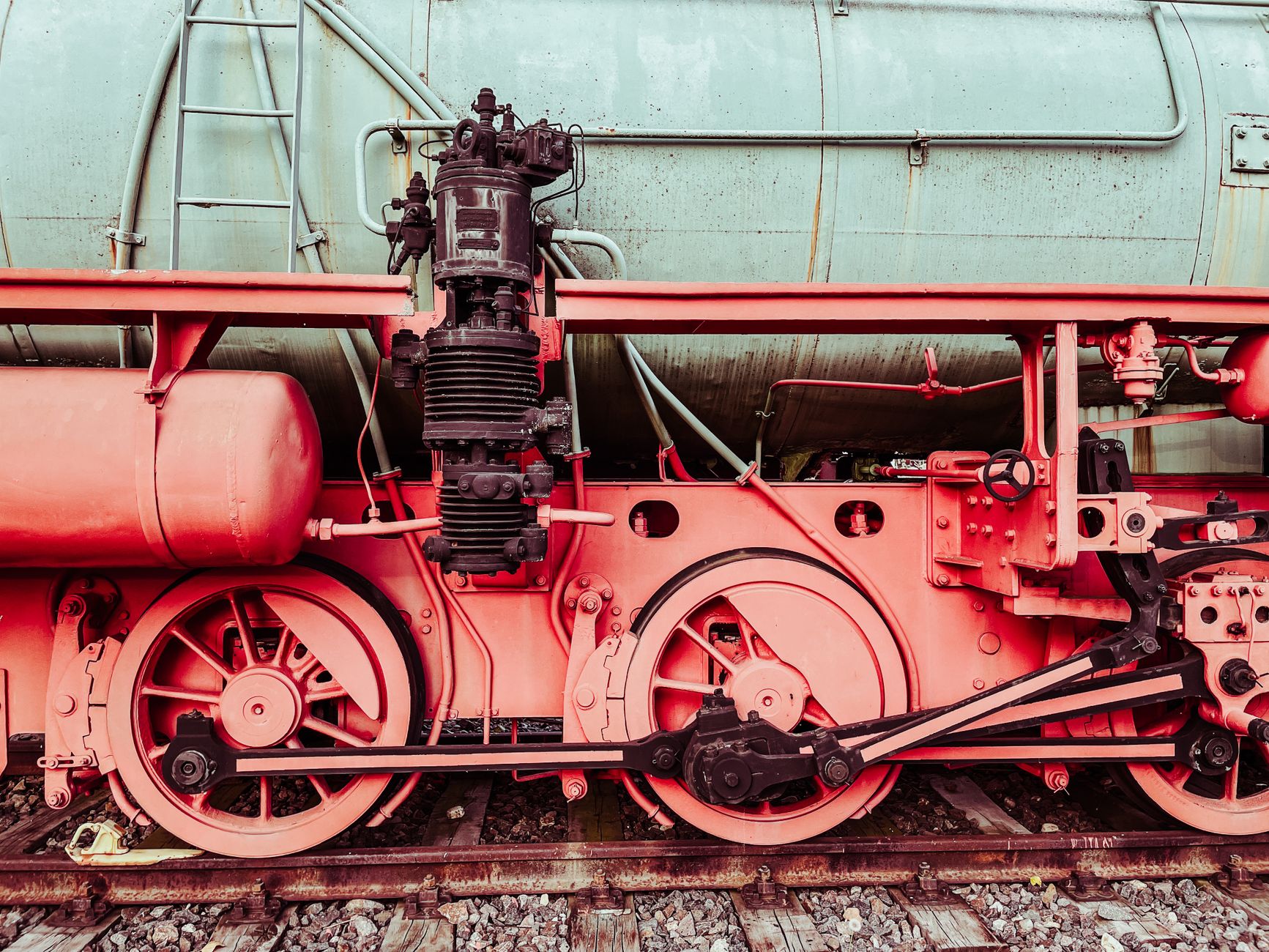
Loco Failure Delays Train at Nidamangalam: Impact on Chennai and Tamil Nadu Commuters
What Happened at Nidamangalam?
A locomotive failure at Nidamangalam railway station has caused significant disruptions to train services, leaving thousands of Chennai and Tamil Nadu commuters stranded and frustrated. The incident occurred when a train’s locomotive malfunctioned while passing through the station, one of the crucial junction points on the Chennai suburban railway network. This technical failure triggered a domino effect of delays across multiple train services throughout the day, affecting both morning and evening peak hour commuters who depend on these trains for their daily travel.
Nidamangalam, located in the Kanchipuram district on the outskirts of Chennai, serves as an important transit hub connecting inner Chennai to the satellite towns and rural areas of Tamil Nadu. The station witnesses hundreds of commuters daily, making it a critical node in the regional transportation network. When locomotive failures occur at such strategic locations, the ripple effects are felt across the entire railway system.
Understanding Locomotive Failures and Railway Operations
A locomotive, commonly called a “loco,” is the engine unit that powers trains and pulls carriages. When a locomotive fails mechanically, it becomes unable to operate safely, forcing railway authorities to halt the affected train immediately. This is a safety protocol designed to prevent accidents and protect passengers.
According to railway maintenance standards in India, locomotives undergo regular inspections and servicing. However, despite preventive maintenance schedules, unexpected failures can still occur due to component wear, manufacturing defects, or sudden mechanical issues. The Indian Railways, which operates the Chennai suburban network, has been working to modernize its fleet and improve maintenance practices, but challenges persist given the massive scale of operations.
Impact on Chennai and Tamil Nadu Commuters
For the average Chennai resident, railway delays translate into real hardships. Office-goers miss important meetings, students arrive late to colleges, and daily wage workers lose precious hours of work. The suburban railway system is the lifeline of Chennai’s working-class population, with lakhs of commuters depending on it daily.
The Nidamangalam incident particularly affects residents of towns like Chengalpattu, Kanchipuram, and surrounding villages who commute to Chennai for employment. These are primarily middle and lower-income families who cannot afford alternative transportation like cabs or personal vehicles. A single delay of even 30 minutes can disrupt their entire day’s schedule and income.
Students traveling from suburban areas to educational institutions in Chennai also face significant difficulties. In a state like Tamil Nadu, where education is highly valued, such delays can impact academic performance and attendance records. Many competitive exam aspirants rely on trains to reach coaching centers on time.
Why Railway Infrastructure Matters to Tamil Nadu
Tamil Nadu’s economy heavily depends on efficient transportation networks. Chennai, being a major industrial and commercial hub, requires seamless connectivity with surrounding areas. The suburban railway system was designed to decongest city roads and provide affordable mass transit. When such systems malfunction, it forces people onto already congested roads, increasing traffic, pollution, and travel times for everyone.
The state government and Indian Railways have been working on various modernization projects, including new railway lines and upgradation of existing infrastructure. However, the maintenance of current systems remains a challenge. Incidents like the loco failure at Nidamangalam highlight the urgent need for better preventive maintenance and investment in aging railway equipment.
What the Railways Said About the Incident
Railway officials typically respond to such incidents by deploying alternate locomotives or arranging replacement services. The time taken to resolve such issues varies depending on the severity of the failure and availability of backup equipment. In many cases, a failed locomotive is moved to the nearest depot for repairs while substitute arrangements are made for stranded passengers.
Communication is often a weak point in such situations. Many commuters complain that they don’t receive timely updates about delays and alternative arrangements. This lack of transparency adds to the frustration and uncertainty people experience during such incidents.
Broader Railway Challenges in India
India’s railway system, despite being one of the world’s largest, faces chronic challenges. The Indian Railways operates with aging infrastructure, limited budgets relative to the scale of operations, and a massive maintenance backlog. Tamil Nadu’s railways are no exception. While the state has seen some improvements in recent years, incidents like locomotive failures remain relatively common.
The COVID-19 pandemic further strained railway maintenance schedules and finances. Many scheduled maintenance activities were postponed, potentially contributing to an increase in unexpected failures. As railways try to catch up, such incidents are likely to continue until comprehensive modernization is complete.
What Commuters Can Do
If you’re a regular commuter in Tamil Nadu, here are some practical steps you can take:
Plan Ahead: Leave for your destination at least 15-20 minutes earlier than usual, especially during peak hours. This buffer can help accommodate unexpected delays.
Stay Updated: Follow the official Indian Railways social media accounts and the specific zonal railway office for real-time updates. Download the NTES (National Train Enquiry System) app or check the railway website for service status updates.
Keep Alternative Routes Ready: Identify bus routes or other transportation options as backup. In Chennai, the CMRL metro system is expanding, and bus services provide good coverage in many areas.
Document Issues: If you face problems due to train delays, report them through official channels. The more passengers report issues, the more pressure it creates for improvements.
Support Railway Accountability: Engage with civic forums and local representatives to demand better maintenance practices and transparency from railways.
Looking Forward
Incidents like the loco failure at Nidamangalam remind us that efficient public transportation requires constant investment, maintenance, and modernization. Tamil Nadu, as an economically important state, deserves better. Commuters have every right to expect reliable services that respect their time and effort.
The silver lining is that such incidents also bring attention to infrastructure gaps, which can drive policy changes and increased budget allocation. As Tamil Nadu continues to grow, the railway system must grow and improve alongside it.
Until comprehensive improvements are made, staying informed and planning ahead remains the best strategy for commuters dealing with potential delays.