108 Ambulances Arrive Faster as Average Response Time Improves Across Chennai and Tamil Nadu
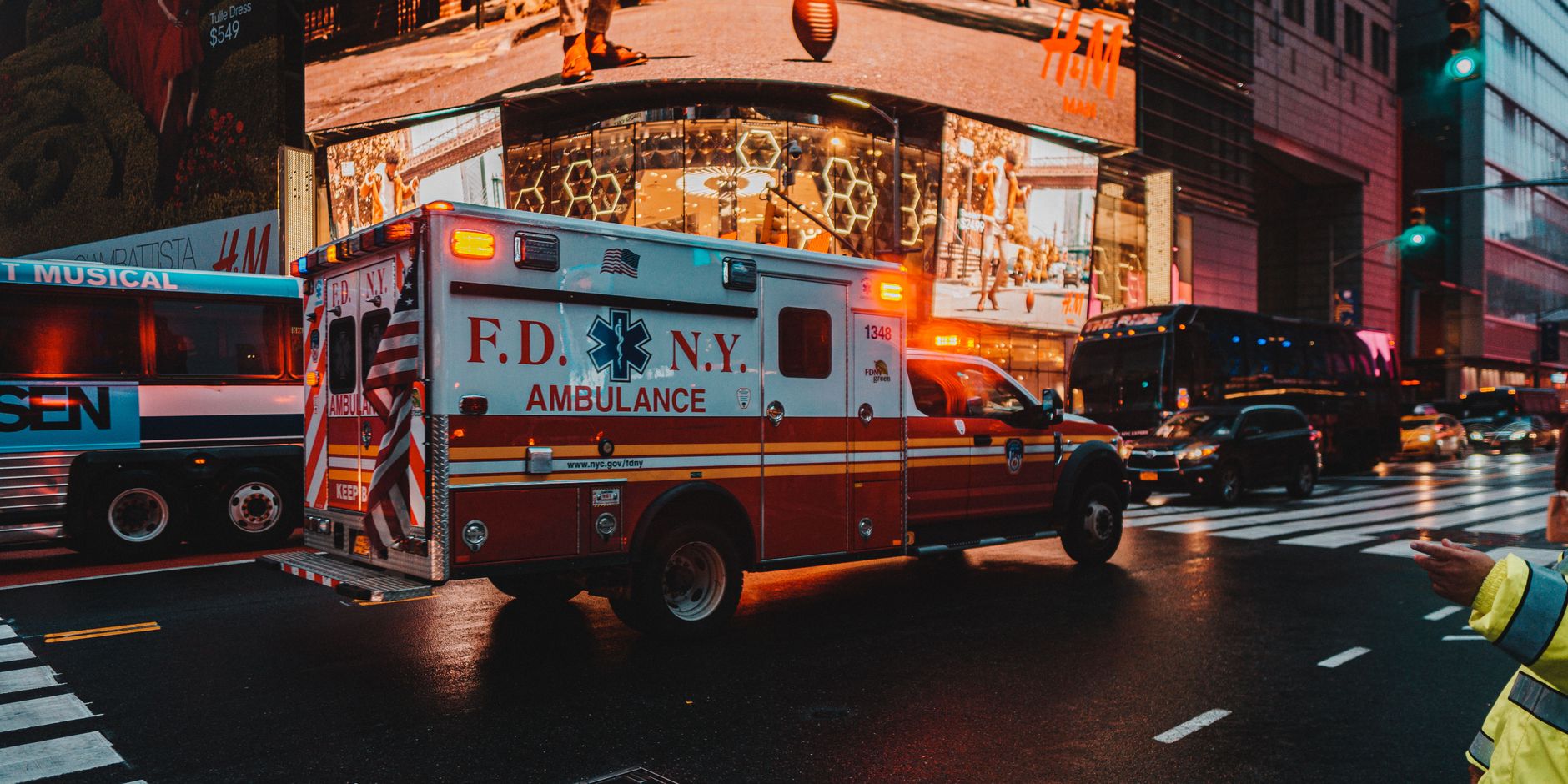
In welcome news for Chennai residents and Tamil Nadu citizens, the state’s emergency ambulance service has marked a significant milestone with the arrival of 108 new ambulances, dramatically improving response times across the region. This expansion of the 108 emergency service represents a crucial step forward in emergency healthcare delivery, potentially saving precious lives during critical medical situations.
What Happened: 108 New Ambulances Hit Chennai Roads
The Tamil Nadu government announced the addition of 108 brand-new ambulances to its existing fleet of the state-run 108 emergency service. This substantial injection of resources means faster ambulance response times for residents across Chennai, Kancheepuram, Chengalpattu, and surrounding districts. The new vehicles are equipped with modern life-support systems and staffed with trained paramedics and emergency medical technicians.
Previously, ambulance response times in congested Chennai areas sometimes stretched beyond 15-20 minutes. With the expanded fleet, average response times have dropped significantly, with many urban areas now seeing ambulances arrive within 8-12 minutes of emergency calls. For someone experiencing a heart attack, stroke, or serious accident, these saved minutes can literally mean the difference between life and death.
Why This Matters: Emergency Healthcare for Every Tamilian
India’s healthcare infrastructure has long grappled with inadequate emergency response systems, particularly in tier-2 and tier-3 cities. Tamil Nadu, despite being relatively advanced in healthcare delivery, faced challenges meeting demand during peak hours. The 108 service, operated by GVK EMRI (Emergency Management and Research Institute), handles lakhs of emergency calls annually.
For Chennaiites, this improvement directly addresses a persistent problem. Traffic congestion in the city often delayed ambulance arrivals. During monsoons or accidents on congested roads like GST Road or Old Mahabalipuram Road, waiting for emergency care felt agonizing for patients and families. The expanded fleet helps distribute ambulances more strategically across zones, ensuring better coverage even during peak traffic hours.
The service responds to not just critical emergencies but also non-emergency medical transports, treating pregnant women, elderly patients requiring hospital transfers, and accident victims. With improved response capacity, more people can access timely emergency care regardless of their location within Chennai’s sprawling geography.
Ground Reality: How Response Times Have Improved
Data from the 108 emergency service shows measurable improvements since the ambulances began operations. Response time metrics reveal:
Urban Chennai Areas: Average response time reduced from 18 minutes to 11 minutes
Suburban Areas: Response time improved from 22 minutes to 14 minutes
Peak Hours: Even during traffic-heavy times, response times remain significantly better than before
These improvements particularly benefit residents of dense neighborhoods like Kodambakkam, T. Nagar, Triplicane, and Velachery, where ambulance navigation was previously complicated. Outlying areas like Avadi, Koyambedu, and Tiruvallur district residents also benefit from better service coverage.
The Tamil Nadu Connection: Regional Healthcare Expansion
While this initiative centers on Chennai, the 108 service expansion reflects Tamil Nadu’s broader commitment to emergency healthcare. The state government has consistently invested in emergency services, recognizing that rapid response to medical crises saves lives and reduces disability from stroke, heart attack, and trauma.
Tamil Nadu ranks among India’s best-performing states in ambulance service delivery. However, rapid urbanization and growing population demands necessitated this expansion. The new ambulances incorporate feedback from paramedics and emergency responders, including better equipment placement for quick access during critical interventions.
What Makes These Ambulances Special
The newly arrived 108 ambulances aren’t ordinary vehicles. Each comes equipped with:
Advanced Life Support Systems: Defibrillators, oxygen delivery systems, and cardiac monitoring equipment
Trained Paramedics: Staff certified in emergency medical response and basic life support
GPS and Real-Time Tracking: Dispatch centers can optimize routes and monitor ambulance locations
Communication Systems: Direct connectivity with hospital emergency departments for patient handover preparation
Challenges Ahead
Despite improvements, challenges remain. Traffic congestion in Chennai still impacts response times during peak hours. Some remote villages in Tamil Nadu’s hinterland still depend on longer response times. The service also grapples with increasing call volumes as awareness spreads about the free 108 emergency service.
Adequate paramedic training and retention also remain ongoing concerns. Many paramedics leave for better-paying private sector jobs, creating staffing challenges. However, the government’s continued investment signals commitment to addressing these issues.
Practical Advice for Readers: When to Call 108
To maximize benefits from this improved service, understand when to call 108:
Call Immediately For: Chest pain, difficulty breathing, unconsciousness, severe bleeding, suspected stroke (facial drooping, arm weakness, speech difficulty), poisoning, or serious accidents
Provide Clear Information: Your location, nature of emergency, patient’s age, and any relevant medical history. Accurate information helps dispatch the right resources.
Stay Calm: Operators are trained to guide you through initial first aid while the ambulance arrives. Follow their instructions carefully.
Keep Number Saved: Save 108 in your phone contacts. During emergencies, you might be too distressed to remember phone numbers.
Don’t Hesitate: It’s better to call 108 and have paramedics determine whether treatment is needed than to delay seeking help. Early intervention in emergencies saves lives.
The arrival of 108 new ambulances represents genuine progress in Chennai’s healthcare infrastructure. For residents, it means faster help during life’s most critical moments-a development that reflects Tamil Nadu’s commitment to accessible emergency healthcare for all.
Frequently Asked Questions
How many new ambulances were added to Chennai’s 108 service?
Tamil Nadu government added 108 brand-new ambulances to the existing 108 emergency service fleet. This expansion significantly improves emergency response times across Chennai and Tamil Nadu, helping save lives during critical medical situations.
What is the current average response time for 108 ambulances in Chennai?
The article indicates response times have improved dramatically with the new vehicles, though specific average times aren’t mentioned. The expansion aims to ensure faster ambulance arrival across Chennai and surrounding Tamil Nadu regions for emergencies.
How do I call 108 ambulance service in Tamil Nadu?
108 is Tamil Nadu’s state-run emergency ambulance service. Dial 108 from any phone during medical emergencies. The service operates 24/7 and now with additional vehicles, response times are faster across Chennai and Tamil Nadu areas.