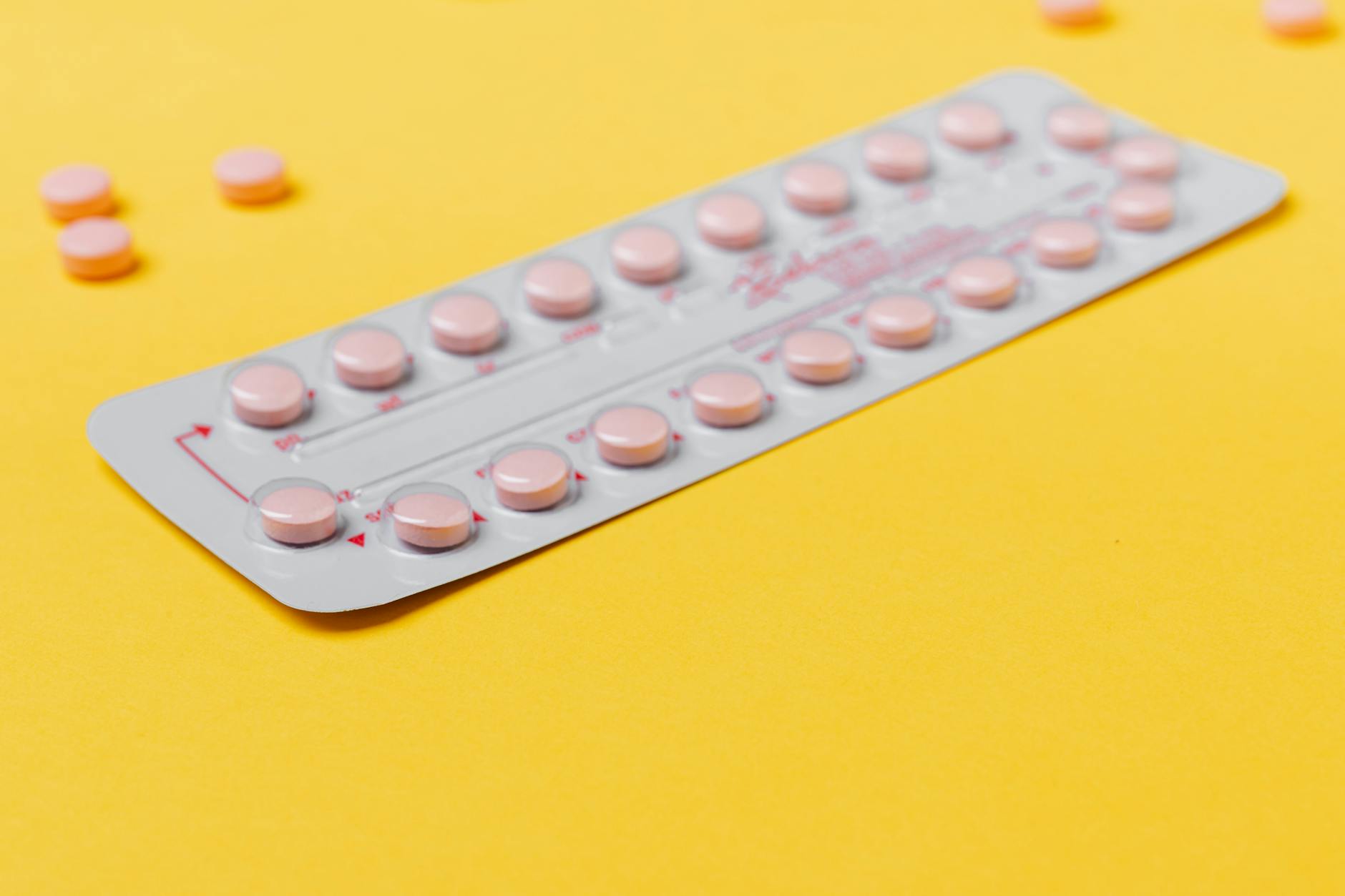
OTC EC and Abortion Pills Cause Menstrual Problems: What Indian Women Need to Know
The easy availability of over-the-counter (OTC) emergency contraception (EC) and medical abortion pills in India has made reproductive choices more accessible. However, a growing body of evidence and medical reports suggests that these medications can cause significant menstrual irregularities and complications. This is a critical health issue affecting millions of Indian women, particularly in urban centers like Chennai and Tamil Nadu, where self-medication is increasingly common.
Understanding OTC Emergency Contraception Pills
Emergency contraception pills, commonly known as “morning-after pills,” are widely available across Indian pharmacies without prescription. The most common variant in India is levonorgestrel-based EC pills, which contain high doses of synthetic progesterone. While these pills are effective when taken within 72-120 hours of unprotected intercourse, they come with side effects that many women aren’t aware of.
These pills work by delaying or preventing ovulation, essentially disrupting your natural menstrual cycle. When you ingest such high hormone doses, your body’s delicate endocrine balance is thrown off, leading to menstrual complications that can persist for several months.
How Abortion Pills Affect Menstrual Cycles
Medical abortion pills, primarily mifepristone (RU-486) combined with misoprostol, are also increasingly accessible through online platforms and local pharmacies across India. While these are regulated medicines, their impact on menstrual health is often underestimated by women seeking quick solutions.
After taking abortion pills, women typically experience heavy bleeding that can last 1-2 weeks. But what concerns gynecologists is the aftermath: irregular periods, prolonged bleeding, scanty flow, or amenorrhea (absence of periods) can occur for 2-3 months post-abortion. In some cases, these irregularities persist longer, requiring medical intervention.
In Chennai and Tamil Nadu, where access to family planning clinics is improving but self-medication remains prevalent, many women don’t seek proper follow-up care after taking these pills, leading to undiagnosed menstrual complications.
Common Menstrual Problems Associated with These Medications
Irregular Periods: The most common complaint is unpredictable menstrual cycles. Periods may come early or late by weeks, causing anxiety and disrupting daily life.
Prolonged Bleeding: Some women experience heavy bleeding that lasts longer than normal, potentially leading to anemia if untreated.
Amenorrhea: Complete absence of periods for 2-3 months is not uncommon after using these medications.
Scanty Flow: Conversely, some women report unusually light periods or spotting.
Severe Cramps: Enhanced menstrual pain and dysmenorrhea are frequently reported side effects.
Why This Matters to Indian Women
India’s healthcare landscape is unique. While urban areas like Chennai have access to qualified gynecologists, rural and semi-urban regions often lack proper medical guidance. The easy availability of EC and abortion pills through pharmacies, without mandatory counseling, means women are using these medications without understanding potential consequences.
A woman in Nungambakkam might pop an EC pill thinking it’s harmless, while another in a Chennai suburb might use abortion pills without post-care follow-up. The result? Months of menstrual troubles that could have been managed with proper medical guidance.
Additionally, irregular periods after using these medications can create anxiety about fertility, pregnancy, and underlying health conditions-psychological stress that many Indian women face silently due to cultural taboos around menstruation.
The Medical Evidence
Recent studies presented at Indian medical conferences highlight that while EC and abortion pills are safe when used correctly, the impact on menstrual health is more significant than initially believed. The hormonal disruption can affect the endometrium (uterine lining) and ovarian function temporarily.
Dr. Padma Murthy from a leading Chennai hospital noted that many patients come in months after self-medicating with these pills, complaining of menstrual issues without connecting the dots to their earlier medication use.
What You Should Do: Practical Advice for Indian Women
Seek Professional Guidance: Before using any emergency contraception or abortion pill, consult a gynecologist. In Chennai, Bangalore, and other metros, telemedicine options are now available. Never self-prescribe based on pharmacy recommendations alone.
Maintain a Menstrual Calendar: After using EC or abortion pills, track your periods diligently. Note dates, flow intensity, and any pain. This information helps your doctor if complications arise.
Follow Post-Care Instructions: If you use abortion pills, ensure proper follow-up ultrasound or check-ups as advised by your healthcare provider. Don’t assume everything is fine without medical confirmation.
Understand Side Effects: Read the medication leaflet carefully. Both EC and abortion pills list menstrual irregularities as possible side effects. Being informed helps you distinguish between normal changes and concerning symptoms.
Don’t Panic About Temporary Changes: Most menstrual irregularities resolve within 2-3 months. However, if problems persist beyond three months or worsen, seek medical help immediately.
Consider Long-Term Contraception: Instead of repeatedly using EC or risky abortion methods, explore reliable long-term contraceptive options like IUDs, hormonal implants, or pills. Family planning clinics across Tamil Nadu offer these services.
Reach Out to Support Systems: In Chennai, organizations like Aravind Eye Care and various women’s health NGOs provide counseling and support. Don’t suffer in silence.
View menstrual tracking products on Amazon India to help monitor your cycle effectively.
Final Thoughts
While OTC EC and abortion pills have revolutionized reproductive autonomy for Indian women, they’re not consequence-free. Menstrual problems following their use are real, manageable, and shouldn’t be ignored. The key is informed decision-making combined with proper medical oversight. Chennai and Tamil Nadu have excellent gynecological services-use them. Your menstrual health is crucial to your overall wellbeing, and you deserve professional guidance every step of the way.