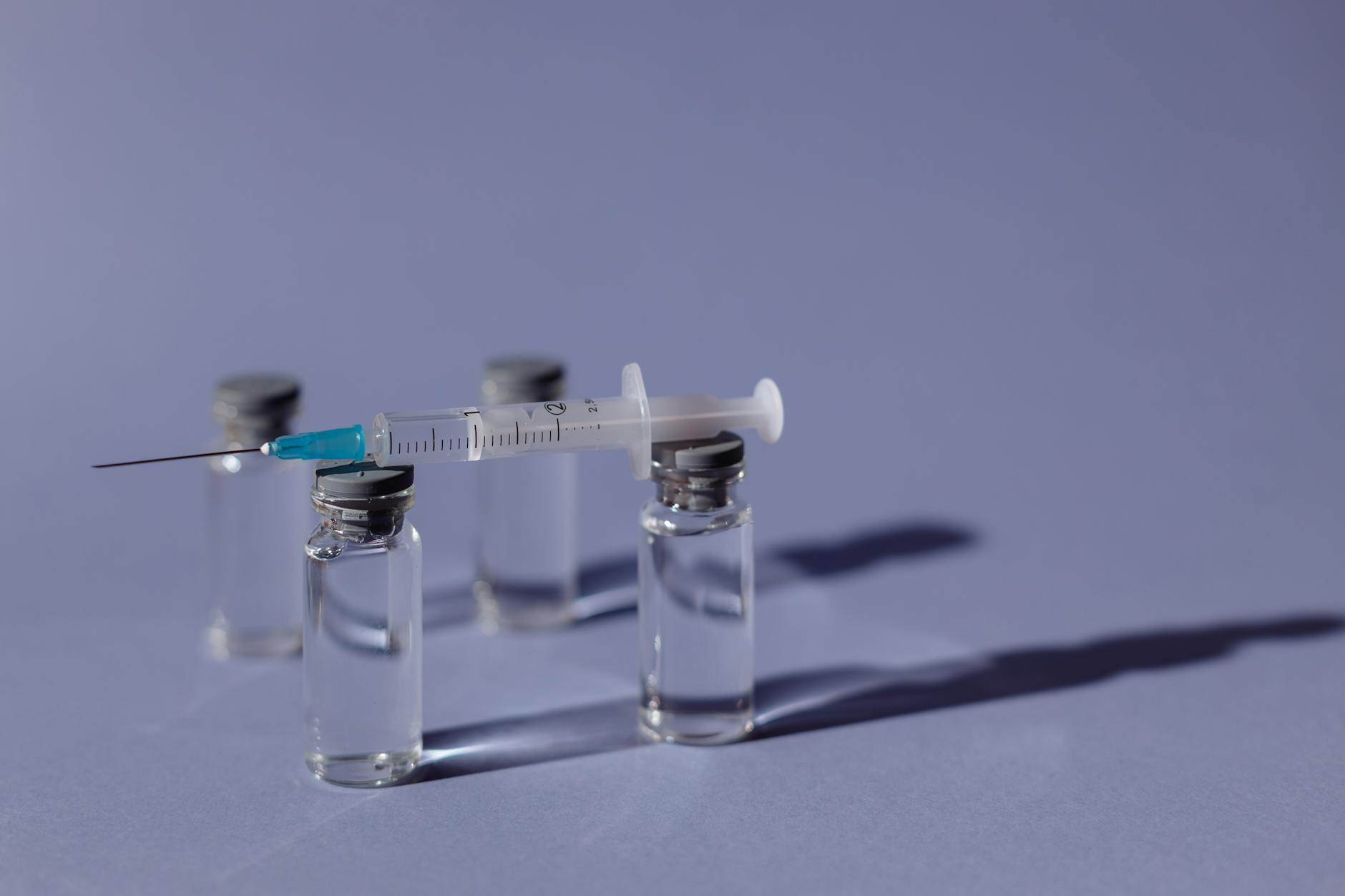
Cadila to Apply for Clinical Trials for Swine Flu Vaccine: A Major Step Forward for India’s Healthcare
In a significant development for India’s pharmaceutical sector and public health infrastructure, Cadila Healthcare has announced its intention to apply for clinical trials for a new swine flu vaccine. This move comes as the nation continues to strengthen its vaccine development capabilities and reduce dependence on imported immunization solutions. For Indian readers, especially those in Tamil Nadu and Chennai, this development signals a promising future in infectious disease prevention and local healthcare innovation.
Understanding the Swine Flu Threat in India
Swine flu, caused by the H1N1 virus, has remained a persistent health concern across India for over a decade. Since the 2009 pandemic, seasonal outbreaks continue to affect thousands of Indians annually, with particularly severe impacts during winter months. Chennai and Tamil Nadu have witnessed recurring cases during monsoon and post-monsoon seasons, making respiratory virus prevention a critical public health priority.
The disease spreads through respiratory droplets and can lead to severe complications, particularly in vulnerable populations including children, elderly individuals, and those with compromised immune systems. Currently, Indians rely primarily on imported flu vaccines, which can be expensive and sometimes difficult to access in smaller cities and rural areas. Cadila’s initiative to develop a domestic swine flu vaccine addresses this critical gap in India’s healthcare landscape.
Who is Cadila Healthcare and Why This Matters
Cadila Healthcare, one of India’s leading pharmaceutical companies with headquarters in Ahmedabad, has a strong track record in vaccine development and manufacturing. The company has previously developed vaccines for various infectious diseases and has earned credibility in India’s pharmaceutical sector. Their commitment to developing a swine flu vaccine demonstrates the industry’s confidence in India’s vaccine manufacturing capabilities.
This initiative matters significantly because it represents India’s journey toward self-reliance (Atmanirbhar Bharat) in critical healthcare sectors. By developing indigenous swine flu vaccines, India can potentially reduce vaccine costs, improve accessibility in remote areas, and create employment opportunities in the pharmaceutical and healthcare sectors.
What Are Clinical Trials and Why Are They Important?
Clinical trials are rigorous, methodical processes designed to test the safety and effectiveness of new medicines and vaccines before they become available to the general public. For a swine flu vaccine, clinical trials typically occur in several phases:
Phase 1 trials test the vaccine on a small group of healthy volunteers to assess safety and identify any side effects. Phase 2 trials involve a larger group to further evaluate effectiveness and monitor side effects. Phase 3 trials expand testing to even larger populations across diverse demographics to confirm effectiveness and monitor adverse reactions. Only after successfully completing these phases can regulatory approval be granted.
These trials are essential to ensure that any vaccine released to Indian citizens meets international safety standards and actually provides protection against H1N1 influenza. The thoroughness of these processes is what allows Indians to trust vaccines administered through our national immunization programs.
The Tamil Nadu and Chennai Connection
Tamil Nadu has emerged as a hub for pharmaceutical manufacturing and research in India. Chennai, in particular, hosts numerous healthcare facilities, research institutions, and skilled medical professionals who could potentially participate in or conduct these clinical trials. The state’s developed healthcare infrastructure makes it an ideal location for conducting multi-phase vaccine trials.
Additionally, Tamil Nadu’s recurring swine flu cases each year mean that local populations have experience with the disease, potentially making the state an important site for vaccine trial recruitment and data collection. This could bring both research opportunities and healthcare advancements directly to Chennai residents.
Timeline and What to Expect
The clinical trial approval process in India involves submitting detailed applications to the Central Drugs Standard Control Organization (CDSCO) and obtaining ethics committee clearance. Once Cadila submits its application, the regulatory review process typically takes several months. If approved, Phase 1 trials could begin within 6-12 months, with Phase 2 and 3 trials extending over subsequent years.
The entire process from application to potential vaccine availability to the general public could take 3-5 years, depending on trial outcomes and regulatory milestones. This timeline is consistent with international vaccine development standards.
Benefits for Indian Healthcare Systems
Once approved, a domestically produced swine flu vaccine could offer several advantages:
A successful indigenous vaccine would reduce India’s healthcare costs significantly, making swine flu protection affordable for economically disadvantaged populations. Manufacturing within India ensures consistent supply without dependence on international pharmaceutical markets. Local production creates skilled employment and strengthens India’s pharmaceutical manufacturing expertise. Having vaccine production capacity within the country improves India’s ability to respond quickly to future pandemics and outbreaks.
Practical Advice for Indian Readers
Stay informed about swine flu prevention: Continue practicing respiratory hygiene by covering your mouth when coughing or sneezing, washing hands frequently, and avoiding close contact with sick individuals. These basic measures remain your first line of defense.
Get vaccinated now: Don’t wait for the new vaccine. Currently available swine flu vaccines offer protection and should be administered, particularly if you fall into high-risk categories. Consult your doctor about vaccination eligibility.
Monitor health news: Keep updated on Cadila’s vaccine development progress through reliable news sources. Once clinical trials begin, eligible individuals might have opportunities to participate and contribute to India’s healthcare advancement.
Support local pharmaceutical innovation: Recognize that investments in domestic vaccine development benefit our healthcare system collectively. Such initiatives reduce our dependence on imported medicines and strengthen our nation’s health security.
Cadila’s initiative represents a promising step toward making India self-sufficient in vaccine production and protecting our citizens against swine flu more effectively and affordably. As this development unfolds, India’s healthcare landscape will undoubtedly strengthen.
View on Amazon India →
* Affiliate link – we may earn a small commission at no extra cost to you
Frequently Asked Questions
When will Cadila’s swine flu vaccine be available in India?
The vaccine is still in clinical trial phase. After regulatory approval, it typically takes 1-2 years for manufacturing and distribution. Cadila will announce timelines after trial completion.
Is swine flu still a threat in India and Tamil Nadu?
Yes, H1N1 remains a seasonal concern in India. Tamil Nadu reports cases during winter months. This vaccine development addresses ongoing prevention needs and reduces reliance on imported vaccines.
How does an Indian-made swine flu vaccine benefit patients?
Local vaccine production reduces costs, improves accessibility, and strengthens India’s self-sufficiency in immunization. It ensures better availability across Tamil Nadu and rural areas at affordable prices.