China’s Chipmakers Emerge as Rising Force in AI Memory Market: What This Means for India
The global semiconductor landscape is undergoing a significant shift. According to recent industry reports, Chinese chipmakers are rapidly gaining ground in the artificial intelligence (AI) memory chip market, traditionally dominated by American and South Korean manufacturers. This development has far-reaching implications not just for global tech markets, but specifically for India’s growing ambitions in the semiconductor sector and Tamil Nadu’s emerging role as a digital hub.
Understanding the AI Memory Chip Market
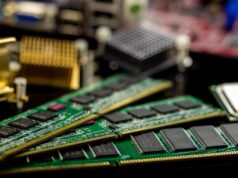
AI memory chips are specialized semiconductors designed to handle the massive computational demands of artificial intelligence applications. Unlike regular computer chips, these memory chips-primarily High Bandwidth Memory (HBM) and advanced DRAM-are essential for training large language models, powering data centers, and running complex AI algorithms. The global AI chip market was valued at approximately $136 billion in 2023 and is expected to grow exponentially as AI adoption accelerates across industries.
For decades, this market has been dominated by companies like Samsung and SK Hynix from South Korea, and American firms like Micron Technology. However, Chinese manufacturers including YMTC (Yangtze Memory Technologies Corporation) and others are now capturing significant market share through aggressive investment and improved manufacturing capabilities.
China’s Strategic Push in Semiconductor Manufacturing
China’s emergence in the AI memory sector isn’t accidental-it’s the result of deliberate government policy and massive capital investment. The Chinese government has poured billions of dollars into semiconductor manufacturing through initiatives like the “National Integrated Circuit Industry Promotion and Development Plan.” Companies like YMTC have invested heavily in advanced fabrication plants and research facilities to produce high-quality memory chips that can compete with established global players.
Despite facing international sanctions and export restrictions from Western countries, Chinese chipmakers have managed to develop indigenous technology and reduce their dependence on foreign suppliers. This resilience has accelerated their market entry into AI-related memory products, creating a competitive landscape that challenges the traditional oligopoly in the sector.
Why This Matters to India’s Semiconductor Dream
India’s semiconductor ambitions have gained momentum, particularly with the government’s Production Linked Incentive (PLI) scheme launched in 2021. The scheme aims to make India a global hub for semiconductor and display manufacturing. However, India currently imports over 95% of its semiconductor requirements, making the nation dependent on foreign suppliers for critical technologies.
China’s success in penetrating the AI memory market sends an important message to Indian policymakers: developing indigenous semiconductor capabilities is achievable, even for countries that started late. If China can build world-class chipmaking capacity within two decades through focused investment and government support, India can accelerate its own timeline with the right approach.
The AI memory chip market represents a crucial battleground. With AI becoming central to virtually every technology application-from smartphones to data centers to autonomous vehicles-controlling production of these chips is a strategic national priority. India cannot afford to remain a mere consumer of these technologies while competitors build manufacturing prowess.
Tamil Nadu’s Emerging Role in India’s Semiconductor Story
Tamil Nadu, particularly the Chennai region, is positioning itself as India’s semiconductor manufacturing hub. The state already hosts major electronics manufacturing units and has established the necessary infrastructure ecosystem. With companies exploring opportunities in chip fabrication and design, Tamil Nadu could become crucial to India’s semiconductor self-reliance goals.
The state government’s initiatives to attract semiconductor investments, combined with existing skilled workforce in electronics and IT sectors, create favorable conditions for semiconductor manufacturing. If India can establish AI memory chip production facilities in Tamil Nadu, it would not only reduce the nation’s import dependency but also create thousands of high-skilled jobs in the state.
The Global Implications of China’s Market Share Growth
From a geopolitical perspective, China’s growing dominance in AI memory chips has significant implications. Western nations, particularly the United States, view semiconductor manufacturing as a strategic asset crucial for national security and technological leadership. The ongoing chip wars between the US and China underscore how critical these components are for military applications, telecommunications, and AI-powered defense systems.
For India, this competition creates both opportunities and challenges. On one hand, it demonstrates that building semiconductor capacity is possible. On the other hand, it highlights the urgent need for India to move fast, as the window for entering this market remains open but competitive pressures are intensifying daily.
What India Should Learn from China’s Success
China’s chipmaking success demonstrates several key lessons for India: First, sustained government support and long-term vision matter immensely. Second, attracting international expertise and partnerships accelerates development. Third, focusing on areas where traditional competitors have vulnerabilities (like during trade restrictions) can accelerate market entry. Finally, building complete value chains-from design to manufacturing to testing-ensures sustainable competitive advantage.
Practical Advice for Indian Tech Stakeholders
For investors and entrepreneurs: The semiconductor space, particularly AI memory chip manufacturing, represents a genuine opportunity for wealth creation. Consider backing startups working on chip design and exploring partnerships with established foundries.
For students and professionals: Upskill in semiconductor engineering, chip design, and materials science. These skills will be in high demand as India builds its semiconductor ecosystem.
For Tamil Nadu residents: Watch for job opportunities in semiconductor facilities being established in the state. These positions typically offer excellent compensation and career growth in emerging technology fields.
For policymakers: The success of China’s approach suggests India should further accelerate PLI scheme implementation, streamline regulatory approvals for semiconductor projects, and actively recruit global semiconductor expertise to Indian institutions.
The Road Ahead
China’s emergence as a significant player in the AI memory market represents a wake-up call for India. The world’s technology future will be shaped by nations that control semiconductor manufacturing. India has the talent, the market, and the will to become a semiconductor powerhouse. What’s needed now is accelerated execution and sustained commitment to this strategic goal.
The good news? It’s not too late. India can still carve out a significant position in the global semiconductor landscape, particularly in AI-related memory chip manufacturing. The time to act is now.
View on Amazon India →
* Affiliate link – we may earn a small commission at no extra cost to you
Frequently Asked Questions
Why are Chinese chipmakers becoming dominant in AI memory production?
Chinese manufacturers have invested heavily in AI memory chip production, leveraging cost advantages and government support. They’re now competing with traditional leaders like USA and South Korea in this rapidly growing market segment.
How does China’s AI chip rise affect India’s semiconductor ambitions?
India faces increased competition in semiconductor manufacturing. However, it creates opportunities for India to develop specialized niches, attract investments, and establish itself as an alternative semiconductor hub through strategic initiatives and government support.
What is Tamil Nadu’s role in India’s semiconductor sector?
Tamil Nadu is emerging as India’s digital hub with growing tech infrastructure and talent pool. The state can leverage this position to attract semiconductor manufacturing units and become a key player in India’s semiconductor self-reliance mission.