Ashwini Vaishnaw Expects More Companies to Start Memory Chip Production in India
What Happened: The Big News
India’s Electronics and IT Minister Ashwini Vaishnaw recently expressed optimism that more semiconductor companies will establish memory chip manufacturing facilities within the country. This statement comes as part of India’s larger push to become a global player in semiconductor production-a sector that has remained largely dominated by Taiwan, South Korea, and the United States.
Vaishnaw’s confidence reflects the government’s successful implementation of the Production Linked Incentive (PLI) scheme for semiconductors, which offers attractive subsidies and support to companies willing to set up manufacturing units in India. The minister believes this momentum will attract additional players to the memory chip market, a crucial segment that powers everything from smartphones to data centers.
Why This Matters to Indians and the Indian Economy
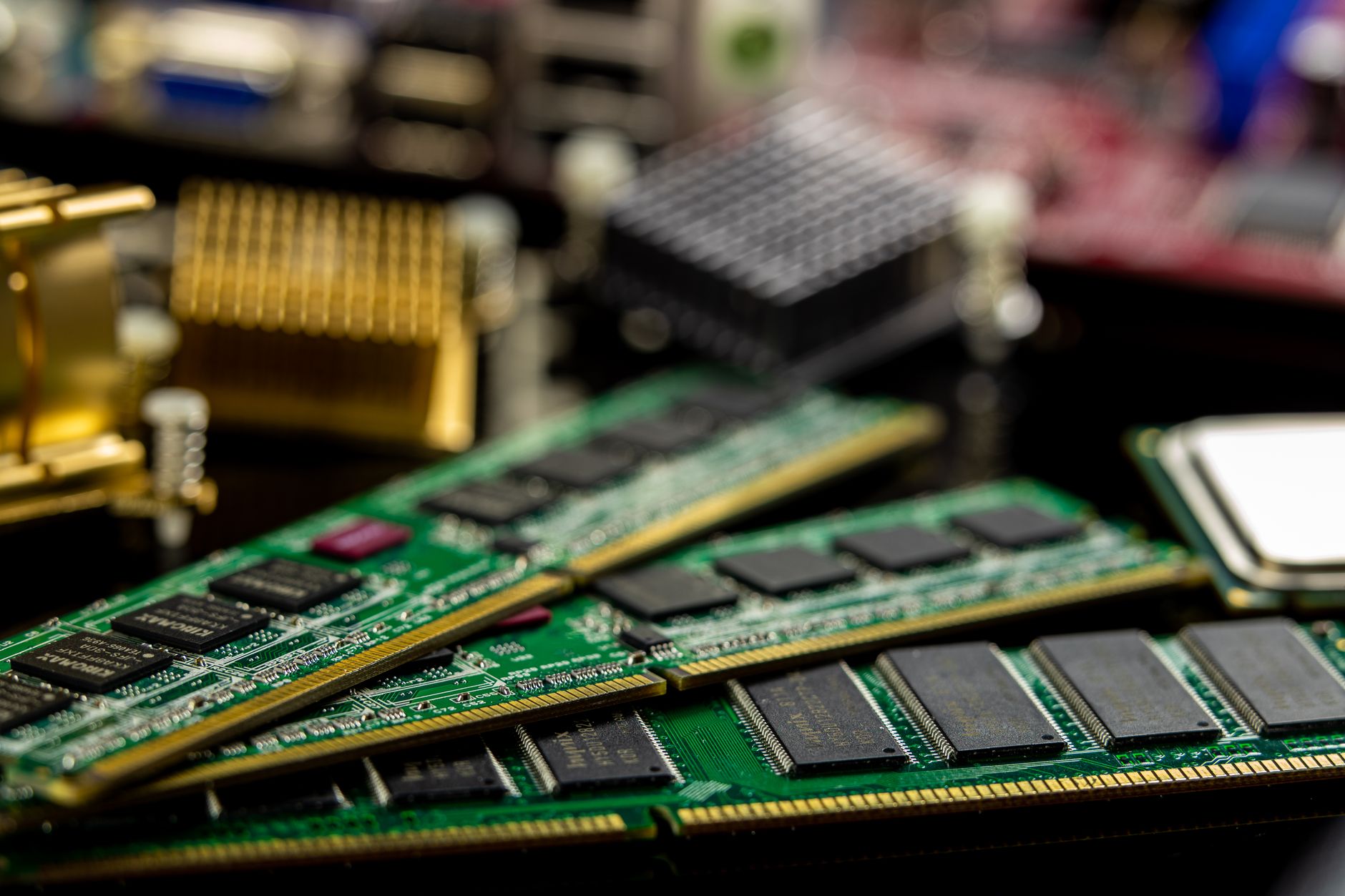
Memory chips-including DRAM and NAND flash memory-are the backbone of modern electronics. Currently, India imports nearly all its memory chips, costing the country billions of rupees annually. By developing domestic manufacturing capacity, India can:
- Reduce Import Dependency: Lower reliance on foreign suppliers means more control over pricing and availability
- Create Quality Jobs: Semiconductor manufacturing requires skilled engineers, technicians, and support staff
- Boost Make in India: Support the government’s vision of self-reliant India (Atmanirbhar Bharat)
- Lower Device Costs: Domestically manufactured chips could eventually make smartphones, laptops, and other devices cheaper for Indian consumers
- Strengthen Digital Infrastructure: Better access to memory chips is essential for India’s digital transformation and AI initiatives
The Tamil Nadu Connection: A Growing Tech Hub
Tamil Nadu, particularly Chennai and its surrounding regions, is emerging as a major contender for semiconductor manufacturing in India. The state already hosts several electronics manufacturing facilities and has the infrastructure, skilled workforce, and government support needed for chip production.
If memory chip manufacturers establish plants in Tamil Nadu, the impact could be transformative:
- Employment Opportunities: Direct and indirect jobs for thousands of skilled and unskilled workers
- Industrial Growth: Attracts supporting industries like packaging, testing, and logistics services
- Economic Development: Increased revenue for the state through taxes and industrial activity
- Technology Transfer: Knowledge and expertise flowing from multinational corporations to local engineers
The Tamil Nadu government has been actively promoting itself as an investment destination, with dedicated industrial parks and investor-friendly policies. Companies like Foxconn and others have already shown interest in setting up operations in the state, creating a positive ecosystem for semiconductor manufacturing.
The Global Context: Why This Timing is Important
The semiconductor industry is currently undergoing significant shifts. Supply chain disruptions during the pandemic highlighted how dependent the world is on concentrated chip manufacturing. Countries are now actively building redundancy by encouraging chip production within their borders.
The United States has invested heavily in domestic semiconductor manufacturing through the CHIPS Act. Similarly, India’s PLI scheme for semiconductors (with a budget of ?76,000 crores) is designed to make Indian manufacturing competitive globally. Vaishnaw’s statement suggests this strategy is working and attracting genuine interest from major semiconductor companies.
What Companies Are Expected to Join?
While Vaishnaw didn’t name specific companies, industry watchers believe major players like Micron Technology, Samsung, SK Hynix, and Intel might expand their India footprint. Additionally, emerging companies specializing in specialized memory chips could find India an attractive location.
The PLI scheme covers not just memory chips but also logic chips and display manufacturing, creating multiple opportunities for different companies based on their expertise and capabilities.
Challenges and Realistic Expectations
While the news is exciting, it’s important to understand the challenges:
- High Capital Requirements: Building a semiconductor fab costs $10-20 billion, requiring significant investment and government support
- Technical Expertise: Requires experienced engineers and technical staff-though India has a strong IT talent pool
- Competition: India must compete with established manufacturing hubs in Taiwan, South Korea, and increasingly, the Middle East
- Environmental Considerations: Memory chip manufacturing requires substantial water resources and careful waste management
Practical Advice for Indian Readers and Investors
For Job Seekers: If you’re interested in the semiconductor sector, now is the time to upskill. Consider pursuing courses in microelectronics, semiconductor manufacturing processes, and quality control. Companies setting up new facilities will need talent at all levels.
For Students: Engineering streams focusing on electronics, materials science, and nanotechnology are becoming increasingly valuable. Tamil Nadu’s colleges offer some of India’s best programs in these fields.
For Small Business Owners: Consider opportunities in supporting industries-packaging materials, testing equipment, logistics, and facility management are all services that semiconductor manufacturing clusters require.
For Tech Consumers: While this won’t immediately lower device prices, keep an eye on developments. In 3-5 years, domestically manufactured chips could make devices more affordable and available.
For Investors: Tamil Nadu industrial stocks and companies supporting semiconductor manufacturing could be interesting long-term investments as this sector develops.
Looking Ahead
Ashwini Vaishnaw’s statement reflects genuine optimism backed by concrete policy support. Whether this translates into major manufacturing facilities will depend on continued government commitment, competitive incentives, and global semiconductor market dynamics. For Chennai and Tamil Nadu, this could represent a watershed moment-the beginning of transformation from a state hosting IT services companies to one producing the chips that power global technology.
The journey from Vaishnaw’s optimism to actual memory chip fabs on Tamil Nadu soil will take time, but the direction is clear. India is finally getting serious about becoming a semiconductor superpower, and that’s genuinely good news for everyone.