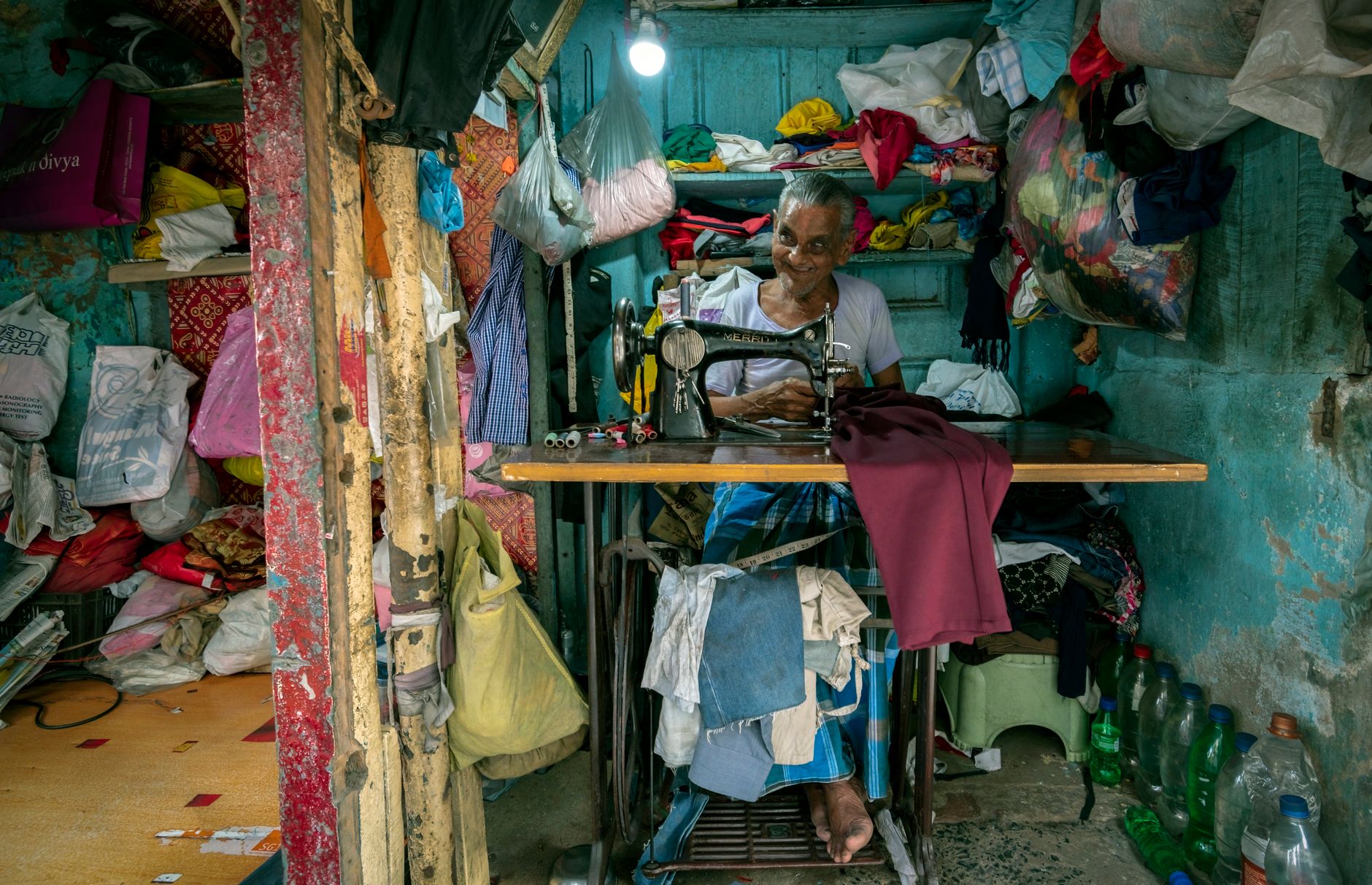
Chennai Workshops Revive Repair Culture Amid Growing Textile Waste Concerns
In the bustling lanes of Chennai, a quiet revolution is taking shape. Amidst the growing mountains of textile waste choking our landfills, a group of passionate artisans and environmental advocates are breathing new life into an old tradition-the art of repair. These workshops aren’t just about fixing torn clothes or worn-out fabrics; they’re about reclaiming a cultural practice that once defined our relationship with possessions.
The textile industry in Tamil Nadu, one of India’s largest contributors to fashion and apparel manufacturing, generates enormous quantities of waste every year. Yet few realize that the solution might lie not in factories, but in the humble repair shops of Chennai-places where grandmothers once took their favorite sarees and where fathers had their shirts mended without a second thought.
The Textile Waste Crisis in Chennai and Tamil Nadu
Chennai’s textile industry is legendary. Tamil Nadu alone accounts for nearly 50% of India’s textile production, with millions of garments manufactured here annually. However, this industrial prowess comes with a hidden cost. According to environmental researchers, India generates approximately 1.3 million tonnes of textile waste every year, with a significant portion originating from Tamil Nadu’s manufacturing hubs.
What makes this crisis particularly urgent is that textile waste doesn’t decompose easily. Synthetic fabrics can take up to 200 years to break down in landfills, leaching harmful chemicals into our soil and water. The dyeing and processing of textiles also consume vast quantities of water-a precious resource that Chennai has struggled with during recent droughts.
As consumers, we’ve internalized the throwaway culture. A small stain, a loose button, or a minor tear once meant a trip to the tailor. Today, it means a trip to the trash bin and a visit to the nearest shopping mall. This shift hasn’t just affected our environment; it’s eroded a valuable skill set and a cultural practice that sustained livelihoods for generations.
Chennai’s Repair Workshop Movement: A Return to Roots
In response to this crisis, several grassroots initiatives in Chennai have emerged to revive repair culture. These workshops, run by skilled artisans and environmental enthusiasts, are doing something revolutionary-they’re making repair fashionable again.
Organizations like the Tamil Nadu Textile Association and independent collectives in neighborhoods like Mylapore, Nungambakkam, and Besant Nagar are hosting workshops that teach people basic mending skills. From visible mending techniques that turn repairs into design statements to traditional darning and patching methods, these workshops are reclaiming the beauty of worn, repaired textiles.
“What we’re seeing is a shift in mindset,” says Priya Narayanan, a textile activist running repair workshops in T. Nagar. “People are realizing that wearing a repaired garment isn’t about being poor or outdated. It’s about being conscious, creative, and connected to our heritage.”
Why This Matters: Environmental and Economic Benefits
The impact of this movement extends far beyond sentimentality. Consider the numbers: manufacturing a single cotton shirt requires approximately 2,700 liters of water. By choosing to repair instead of replace, an average household can conserve thousands of liters of water annually. For a water-stressed city like Chennai, this isn’t just an environmental luxury-it’s a necessity.
Economically, the benefits are equally compelling. A pair of jeans that costs ?1,500 can be repaired for as little as ?200-400. Over a lifetime, a family practicing repair can save tens of thousands of rupees. In a country where many still struggle with basic expenses, this savings translates to real relief for household budgets.
The workshops also create employment opportunities for skilled tailors and artisans who faced declining business in the age of fast fashion. Young people in Chennai are now learning mending as both a practical skill and a creative art form, opening new avenues for sustainable livelihoods.
How Workshops Are Changing Perceptions in Tamil Nadu
What’s particularly interesting is how these workshops are packaging repair as a trendy, desirable practice rather than a necessity born of poverty. “Visible mending”-deliberately showing and celebrating the repairs made to clothes-has become a fashion statement. Hand-stitched repairs, colorful patches, and artistic darning are now seen on Instagram and appreciated as expressions of individuality.
In Chennai, workshops have introduced participants to Japanese sashiko mending, Korean bojagi wrapping traditions, and Indian chikankari techniques applied to repair work. This fusion of traditional wisdom with contemporary aesthetics is attracting diverse participants-from college students to working professionals to homemakers.
Major events during Chennai’s cultural season now include repair workshops, and schools are incorporating basic mending into their curriculum as part of life skills education. The message is clear: repair is no longer a rural, backward practice but a sophisticated, urban, conscious choice.
Challenges and the Road Ahead
Of course, challenges remain. The fast fashion industry, which profits from disposability, continues to grow. Clothing quality has deteriorated, making some garments impossible to repair. And awareness, while growing, hasn’t yet reached the majority of Chennai’s residents.
However, initiatives by the Tamil Nadu government promoting sustainable fashion and support from environmental organizations suggest that repair culture may become mainstream sooner than we think.
What You Can Do: Practical Steps for Readers
Learn basic repair skills: Many workshops in Chennai offer free or low-cost classes. Search for “repair workshops near me” or contact local environmental groups. Basic skills like sewing on a button or fixing a loose seam can extend your clothes’ life significantly.
Invest in quality basics: Buy well-made basics that are worth repairing. Look for quality cotton clothing basics on Amazon India that justify the repair investment.
Keep a repair kit handy: Needle, thread, scissors, and buttons cost little but can save many garments. A basic sewing repair kit makes repairs quick and easy.
Change your mindset: See repair as preservation, not desperation. Every garment mended is a small victory for our planet.
Support local tailors: Chennai’s traditional tailoring community needs your business. Regular tailors offer affordable repair services that keep money in the local economy.
Chennai’s repair workshop movement isn’t just about fixing clothes-it’s about stitching together a more sustainable future, one garment at a time.