NAMMA NEWZ Health & Wellness | namnewz.com PCOS Diet Plan for Indian Women — Complete 30-Day Guide SEO Keyword: PCOS diet plan Indian women 30 days Meta: Want to manage PCOS with diet?
Here is a complete 30-day PCOS diet plan for Indian women — using Indian foods to balance hormones, reduce insulin resistance, and manage symptoms.
Diet is the single most powerful tool for managing PCOS — more effective than most medications for reducing symptoms, regulating cycles, and improving fertility.
The right PCOS diet works by addressing insulin resistance, the metabolic root cause of most PCOS cases.
This 30-day Indian PCOS diet plan uses foods available in every Chennai and Tamil Nadu kitchen — no exotic ingredients, no expensive supplements, just smart eating with foods you already know.
The Science Behind PCOS and Diet 70-80% of PCOS cases involve insulin resistance — a condition where cells become less responsive to insulin, causing the pancreas to produce more.
Elevated insulin signals the ovaries to produce more androgens (male hormones), disrupting ovulation and causing PCOS symptoms.
A low-glycaemic, anti-inflammatory diet directly addresses this mechanism: it lowers insulin levels, reduces androgen production, supports weight management, and restores hormonal balance.
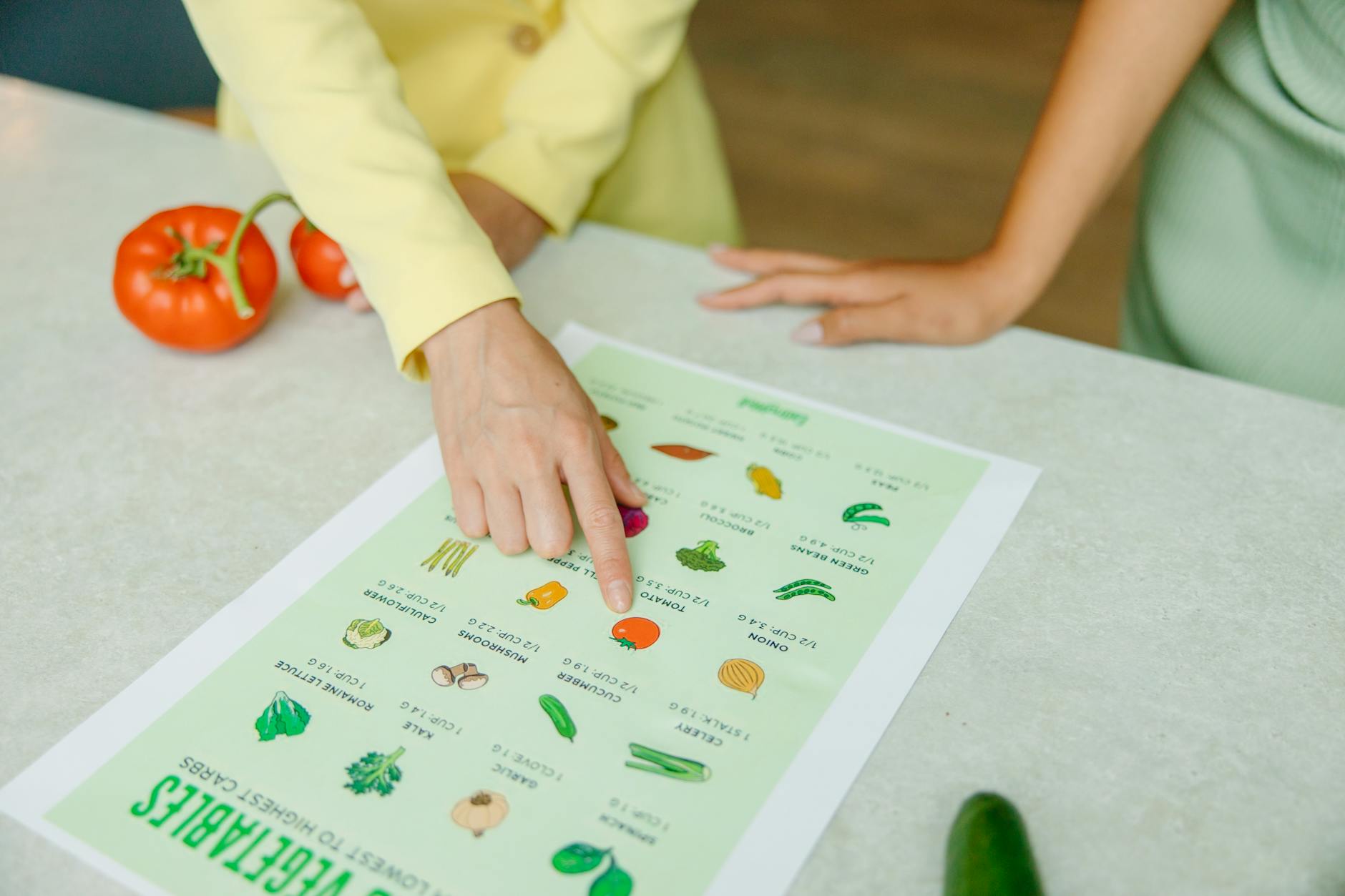
PCOS Diet Principles for Indian Women Principle What to Do Why It Helps Low Glycaemic Index (GI) Replace white rice with brown rice, millets, ragi Reduces insulin spikes High Fibre Dal, vegetables, whole grains, flaxseed Slows glucose absorption Anti-inflammatory Turmeric, ginger, omega-3 rich fish Reduces ovarian inflammation Adequate Protein Eggs, dal, paneer, lean meat, nuts Stabilises blood sugar Healthy Fats Ghee, coconut oil, nuts, seeds Supports hormone production Reduce Refined Carbs Less maida, white bread, sugary drinks Lowers insulin resistance Foods to Eat — Your PCOS Shopping List Grains and Cereals Ragi (finger millet) — low GI, high calcium, excellent for PCOS Foxtail millet (thinai) — traditional Tamil millet, diabetic and PCOS friendly Quinoa — complete protein, low GI Brown rice — better than white, limit portion to 1 cup Oats — beta-glucan reduces insulin spikes Vegetables — Eat Freely All leafy greens: murungai keerai, palak, methi, amaranth Cruciferous: cabbage, cauliflower, broccoli — support oestrogen metabolism Bitter gourd (pavakkai) — proven to improve insulin sensitivity Lady's finger (okra/vendakkai) — excellent for blood sugar control All gourds, beans, and non-starchy vegetables Protein Sources Eggs (2 daily) — complete protein, supports ovulation All lentils and legumes (dal, chana, rajma, moong) Paneer (in moderation, full-fat) Chicken and fish — grilled or curried, not fried Curd (full-fat, homemade preferred) Fats Ghee (1-2 tsp daily) — supports hormone synthesis Coconut oil for cooking — medium-chain fats support metabolism Flaxseeds (alsi) — omega-3, lignans for hormonal balance Walnuts and almonds — 10-15 daily Foods to Avoid or Limit Avoid/Limit Reason Better Alternative White rice (large portions) High GI, spikes insulin Brown rice, ragi, millets Maida (white flour) products Rapid glucose release Whole wheat atta Sugar and jaggery in excess Direct insulin spike Small amount of dates or fruit Fried foods Inflammatory trans fats Grilled, steamed, sautéed Packaged snacks, biscuits Refined carbs + trans fats Nuts, seeds, roasted chana Sweetened beverages Liquid sugar, worst for insulin Buttermilk, jeera water, green tea Dairy ice cream High sugar + fat Frozen banana 'nicecream' Excess soy Phytoestrogens can disrupt hormones Limit to 1-2 servings daily 30-Day PCOS Meal Plan — Weekly Template Week 1-2: Detox and Foundation Meal What to Eat 6:30 AM (Empty stomach) 1 glass warm water + fenugreek seeds soaked overnight + 5 soaked almonds Breakfast (8 AM) Ragi koozh OR vegetable oats upma + 2 boiled eggs OR moong dal chilla Mid-morning (11 AM) 1 fruit (papaya, guava, or apple) + 1 tbsp flaxseeds Lunch (1 PM) 1 cup brown rice + 1 cup sambar + 1 cup vegetable + 1 cup curd Evening (4 PM) Handful of mixed nuts + 1 cup green tea OR jeera water Dinner (7:30 PM) 2 ragi or wheat rotis + 1 cup sabzi + 1 cup dal + salad Bedtime 1 glass warm full-fat milk + half tsp turmeric + pinch pepper Week 3-4: Refinement and Hormone Balance By week 3, most women notice reduced bloating, more stable energy levels, and in some cases early signs of cycle improvement.
Continue the foundation meals and add: Daily spearmint tea (2 cups) — proven to reduce androgens in PCOS Ashwagandha churna (half tsp in warm milk at bedtime) — reduces cortisol, supports thyroid Increase bitter gourd to 3 times per week Add 30 minutes daily brisk walking or yoga The PCOS-Specific Spice Protocol Certain spices used daily in Indian cooking have specific PCOS benefits: Spice PCOS Benefit How to Use Daily Fenugreek (vendhayam) Improves insulin sensitivity, supports LH/FSH ratio Soak seeds overnight, eat morning Cinnamon (pattai) Reduces insulin resistance significantly in clinical trials Add to morning oats or warm water Turmeric Reduces ovarian inflammation, supports liver detox 1/2 tsp in milk or cooking Ginger Anti-inflammatory, reduces menstrual pain Fresh in tea or cooking Cumin (jeera) Reduces blood sugar, supports digestion Jeera water or in cooking Exercise: The Missing Piece of PCOS Management Diet works best when combined with the right exercise.
For PCOS, the research strongly supports: 30-45 minutes brisk walking 5 days/week — most evidence-backed exercise for PCOS Strength training 2-3 times/week — builds insulin-sensitive muscle tissue Yoga (specific poses): Baddha Konasana, Supta Baddha Konasana, Viparita Karani — support pelvic blood flow and ovarian function AVOID very high-intensity exercise — can increase cortisol, worsening PCOS What to Expect in 30 Days Week Expected Changes Week 1 Reduced bloating, better digestion, more stable energy Week 2 Clearer skin beginning, reduced facial hair growth rate Week 3 Weight reduction of 1-2 kg (most of it inflammatory fluid initially) Week 4 Many women see improved or returned cycle, better mood stability The Bottom Line PCOS management through diet is not a short-term fix — it is a permanent lifestyle shift.
The 30-day plan above is your foundation.
After 30 days, these eating patterns should become your new normal.
Most women with PCOS who follow a consistent low-GI, anti-inflammatory Indian diet for 3-6 months report significantly improved symptoms, more regular cycles, and in many cases, natural conception without medical intervention.