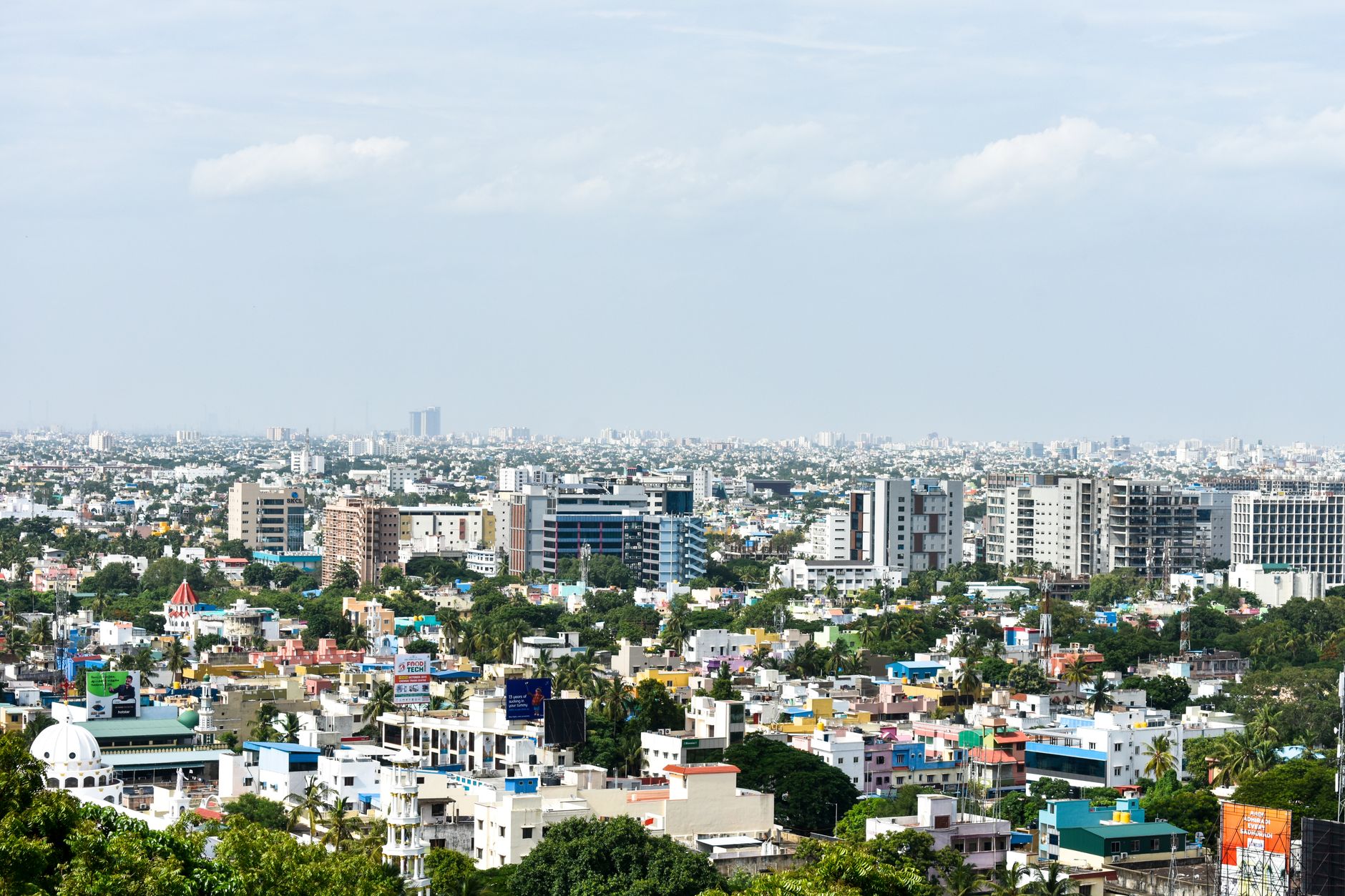
NAMMA NEWZ Health & Wellness | namnewz.com How Chennai Air Quality Is Silently Damaging Your Health in 2026 SEO Keyword: Chennai air quality health effects 2026 Meta: Chennai's air quality has worsened significantly.
Here is how air pollution in Chennai is affecting your lungs, heart, brain, and fertility — and what you can do to protect yourself.
Chennai residents take pride in living in one of India's most dynamic cities.
But behind the vibrant culture and growing economy lies a silent crisis: air quality in Chennai has deteriorated significantly over the last decade, and the health consequences are being felt across the city.
This is not an alarmist article — it is an evidence-based look at what Chennai's air is doing to its residents' health, and practical steps you can take to protect yourself and your family.
Chennai Air Quality in 2026 — The Numbers Metric WHO Safe Level Chennai Average 2026 Status PM2.5 (fine particles) 5 µg/m³ annual 35-55 µg/m³ 7-11x WHO limit PM10 (coarse particles) 15 µg/m³ annual 60-90 µg/m³ 4-6x WHO limit NO2 (vehicle emissions) 10 µg/m³ annual 25-45 µg/m³ 2.5-4.5x WHO limit AQI on high-pollution days 0-50 (Good) 150-200+ (Unhealthy) Concern level Chennai's worst air quality areas in 2026 include Manali (industrial zone), Ambattur (industrial belt), Guindy (traffic corridor), T.
Nagar (dense commercial area), and Anna Salai during peak hours.
Coastal areas like Besant Nagar and ECR generally have better air quality due to sea breeze.
How Air Pollution Damages Your Health 1.
Respiratory System PM2.5 particles — at 2.5 micrometres, 30 times smaller than a human hair — penetrate deep into the lungs, reaching the alveoli where gas exchange occurs.
Regular exposure causes: Chronic bronchitis and persistent cough — increasingly common in Chennai residents Asthma development and worsening of existing asthma — Chennai's asthma rates have increased 40% over the last decade Reduced lung function — children growing up in high-pollution areas develop lower lung capacity Increased susceptibility to respiratory infections — weakened airways allow viruses and bacteria to establish more easily 2.
Cardiovascular System This surprises most people: air pollution kills more through heart disease than through lung disease.
PM2.5 particles enter the bloodstream and cause: Arterial inflammation leading to atherosclerosis (hardened arteries) Increased blood clotting tendency — raising heart attack and stroke risk Blood pressure elevation — even short-term exposure to high pollution spikes BP Irregular heart rhythms (arrhythmias) Studies show that for every 10 µg/m³ increase in PM2.5, cardiovascular mortality increases by 6-12%.
Chennai's PM2.5 levels on bad days exceed WHO limits by 10-fold.
3.
Brain and Cognitive Health Emerging research shows air pollution affects the brain: Increased risk of dementia and Alzheimer's disease with long-term exposure Reduced cognitive performance in children — lower test scores in schools near high-traffic areas Higher rates of depression and anxiety correlated with pollution exposure Ultrafine particles can cross the blood-brain barrier, causing neuroinflammation 4.
Fertility and Reproductive Health Air pollution affects reproductive health in ways few people are aware of: Reduced egg quality and ovarian reserve in women exposed to high PM2.5 Lower sperm count, motility, and increased DNA fragmentation in men Higher miscarriage rates in areas with elevated pollution Increased risk of preterm birth and low birth weight in pregnant women For Chennai couples trying to conceive or undergoing IVF, air quality is a real — if overlooked — factor in fertility outcomes.
5.
Skin Air pollution accelerates skin ageing, causes or worsens acne and eczema, and increases hyperpigmentation.
Particulate matter and NO2 generate free radicals in the skin, breaking down collagen and elastin.
Chennai's combination of high pollution and UV exposure is particularly harsh on skin health.
Who Is Most at Risk in Chennai?
High-Risk Group Why They Are More Vulnerable Children under 12 Developing lungs, breathe more air relative to body weight Pregnant women Pollution affects fetal development Elderly above 65 Reduced respiratory and cardiovascular reserve People with asthma/COPD Existing airway sensitivity Outdoor workers Construction workers, traffic police, delivery workers Commuters on 2-wheelers Direct exposure during peak pollution hours Practical Protection Measures for Chennai Residents Immediate Actions Check AQI daily: Download the SAFAR India or AQI India app — check before going outdoors Wear N95 or FFP2 masks during outdoor activity on high-pollution days (AQI above 100) Avoid outdoor exercise during peak pollution hours (7-10 AM and 6-9 PM in Chennai) Keep car and home windows closed during peak traffic hours Home Protection Install an air purifier with HEPA + activated carbon filter — prioritise bedroom and living room Add indoor plants: Spider plant (Chlorophytum), Peace lily, Snake plant — shown to reduce indoor pollutants Avoid burning incense, mosquito coils, and agarbatti indoors — these generate significant indoor PM2.5 Use exhaust fans while cooking — Indian cooking with oil and spices generates significant indoor pollution Nutrition-Based Protection Increase antioxidant intake: turmeric, amla (vitamin C), tomatoes (lycopene), green tea — antioxidants neutralise free radicals generated by pollution Omega-3 supplementation (fish oil or flaxseed) reduces inflammation caused by pollution exposure Vitamin D — most Chennai residents are deficient, and adequate D3 supports immune protection against pollution-related respiratory damage The Best Areas to Live in Chennai for Air Quality Zone Air Quality Reason ECR (East Coast Road) Good to Moderate Sea breeze, lower traffic density Besant Nagar / Thiruvanmiyur Good to Moderate Coastal, good ventilation Velachery / Pallikaranai Moderate Mid-level traffic Anna Nagar Moderate to Poor High density, traffic Guindy / Ambattur Poor Traffic + industrial proximity Manali Very Poor Industrial zone, petrochemicals The Bottom Line Chennai's air quality challenge is real and its health consequences are serious.
But awareness + action can significantly reduce your personal exposure and health risk.
Check the AQI daily, wear a proper mask on bad-air days, run an air purifier in your home, eat antioxidant-rich foods, and schedule outdoor exercise for times and places with better air quality.
These practical steps make a measurable difference to your long-term health.
Chennai needs cleaner air — but while the city works toward that goal, protecting your family's health right now is in your hands.
Disclaimer: This article is for informational purposes only and does not substitute professional medical advice.