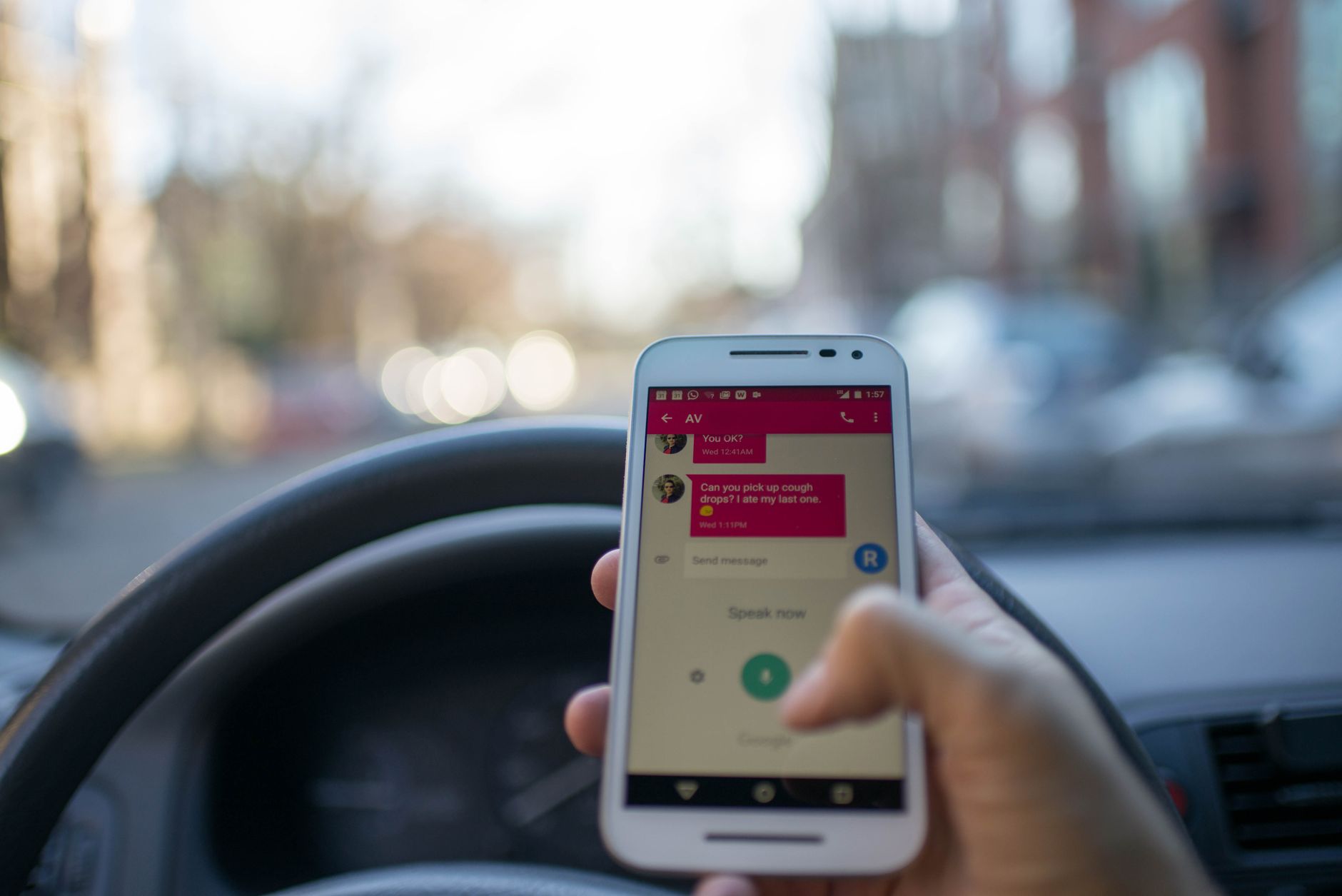
Texting While Driving Increases Risk of Crashing: A Critical Safety Alert for Indian Motorists
In an era where our smartphones have become extensions of ourselves, a sobering reality demands our immediate attention: texting while driving dramatically increases the risk of crashing. This isn’t just a statistic from distant Western countries-it’s a pressing concern affecting millions of Indian drivers navigating everything from Chennai’s bustling Marina Beach Road to the crowded streets of every metropolitan city across the nation.
As India witnesses a surge in vehicle ownership and smartphone penetration, the combination of these two factors has created a perfect storm on our roads. The habit of checking messages, replying to WhatsApp notifications, or scrolling through social media while behind the wheel has become alarmingly common, posing serious threats not just to the driver, but to passengers, pedestrians, and everyone sharing Indian roads.
Why Texting While Driving Is So Dangerous
When you text while driving, you’re engaging in what safety experts call “cognitive distraction.” Your mind shifts from the critical task of operating a vehicle to processing written messages. Research has consistently shown that texting while driving increases the likelihood of a crash by 23 times compared to driving without distractions.
The danger is multifaceted. First, there’s the visual component-your eyes leave the road. In Indian traffic conditions, where unpredictable movements from auto-rickshaws, motorcycles, and pedestrians are common, even a two-second glance at your phone can be catastrophic. At 60 kilometers per hour, a vehicle travels approximately 33 meters in just five seconds, meaning you could cover significant distance without seeing the road.
Second, there’s the manual distraction-one or both hands leave the steering wheel. In congested Indian traffic or while navigating challenging road conditions, this loss of control can be fatal.
Third, and perhaps most dangerous, is the cognitive distraction. Your brain is processing text messages rather than anticipating traffic patterns, which is particularly crucial in India’s chaotic driving environment.
The Indian Road Safety Crisis
India already faces a significant road safety challenge. According to recent data, India accounts for over 10% of global road deaths despite having only 2% of the world’s vehicles. The leading causes include speeding, poor road conditions, and driver inattention. Now, add smartphone distraction to this mix, and we have a recipe for disaster.
Chennai, like other major Indian cities, has seen a sharp increase in accidents attributed to distracted driving. Traffic police across Tamil Nadu have begun noting distracted driving as a contributing factor in an increasing number of accidents, particularly involving two-wheelers and cars in congested urban areas.
Younger drivers, those between 18-30 years old, are particularly vulnerable to this habit. Having grown up with constant digital connectivity, they often find it harder to resist the urge to check their phones, treating red lights as an opportunity to catch up on messages rather than maintaining focus.
What the Research Shows
Multiple studies, including research from the National Highway Traffic Safety Administration and similar institutions worldwide, have documented alarming statistics:
- Sending or reading a text takes a driver’s attention away from the road for an average of 4.6 seconds
- At 55 mph (roughly 88 km/h), this is equivalent to driving the length of an entire football field blind
- 1 in 4 car crashes in developed countries involve cell phone use
- Young drivers aged 16-19 are three times more likely to crash when texting while driving
While specific Indian data is limited, anecdotal evidence from traffic authorities in Delhi, Mumbai, Bangalore, and Chennai suggests these patterns are mirrored in our country.
Legal Consequences in India
The Indian government has recognized this problem. Under the Motor Vehicles Act, using a mobile phone while driving can result in fines and penalties. Different states have different regulations, but most impose fines ranging from ?500 to ?1,000 for first offenders, with higher penalties for repeat violations. Some states even have provisions for suspension of driving licenses.
Beyond legal consequences, the personal cost of an accident-injury, disability, loss of life, or financial burden-is immeasurable and far outweighs any momentary urge to reply to a message.
Protecting Yourself and Others: Practical Advice for Indian Drivers
1. Silent Your Phone
Before starting your vehicle, put your phone on silent mode. Out of sight, out of mind truly works in this scenario. If you must keep it accessible for emergencies, use a dashboard mount and enable voice-to-text features for essential communications.
2. Use Technology Wisely
Modern vehicles often come with Bluetooth connectivity and voice command features. If your car supports it, enable hands-free calling and voice-activated messaging. Quality phone holders for your dashboard can keep your device visible without demanding interaction.
3. Pull Over Safely
If you absolutely must respond to a message or call, find a safe place to pull over. It takes just 30 seconds of your time and could save your life.
4. Set Expectations
Let family and colleagues know that you won’t respond to messages while driving. Establish a norm that delayed responses are acceptable and expected when driving.
5. Educate Young Drivers
If you’re a parent, make distracted driving a serious conversation with teenage drivers. Lead by example-they’re watching how you behave on the road.
6. Support Safe Driving Apps
Consider using apps that automatically respond to messages when you’re driving, or that restrict phone usage while driving. Automotive safety devices on Amazon India include various solutions designed to minimize distractions.
The Bottom Line
Texting while driving isn’t just dangerous-it’s a choice. Every time you resist the urge to check your phone while driving, you’re making a conscious decision to prioritize safety: yours, your passengers’, and everyone else on the road. In India’s unpredictable traffic environment, this choice becomes even more critical.
Your life, and the lives of others, are infinitely more valuable than any message. Let’s commit to making our roads safer, one distraction-free drive at a time.