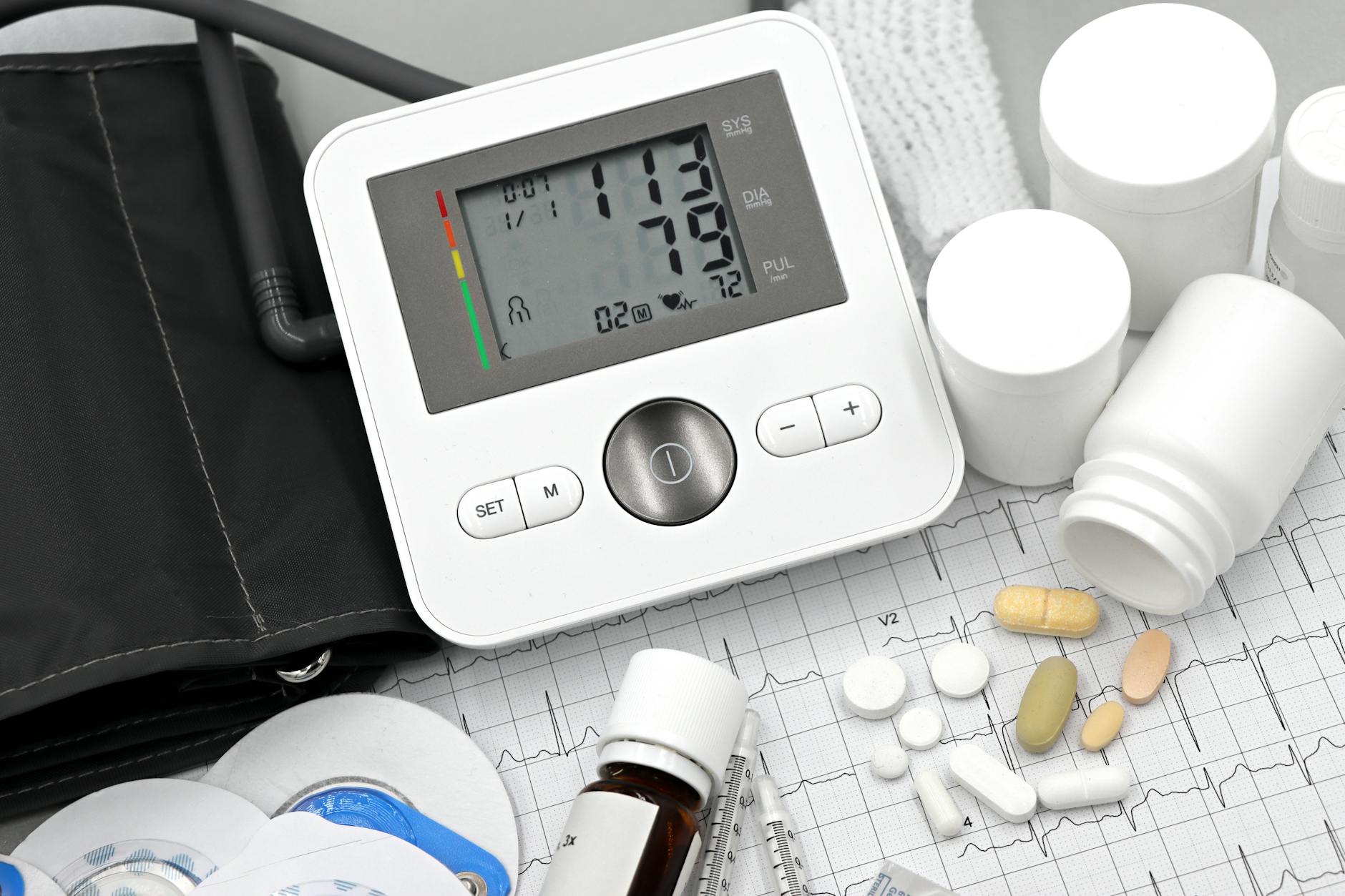
Now Just Pop a Pill to Stop Blood Clots: A Game-Changer for Indian Healthcare
Medical science has just taken another leap forward with the development of a groundbreaking oral anticoagulant pill that promises to revolutionize the way blood clots are treated and prevented. For millions of Indians struggling with clotting disorders, heart conditions, and post-surgical complications, this innovation brings hope and convenience right to their medicine cabinets.
The new medication represents a significant shift from traditional injectable anticoagulants that have been the standard treatment for decades. Instead of requiring frequent hospital visits or self-administered injections, patients can now simply take a pill-making treatment more accessible and user-friendly than ever before.
What Exactly Is This New Blood Clot Pill?
The newly developed oral anticoagulant is a direct oral anticoagulant (DOAC) that works by inhibiting specific clotting factors in the blood. Unlike older warfarin-based medications that required constant monitoring and dietary restrictions, this pill offers a more straightforward approach with minimal lifestyle modifications.
The medication is designed to prevent deep vein thrombosis (DVT), pulmonary embolism (PE), and stroke in patients with atrial fibrillation. It’s particularly beneficial for those who cannot tolerate injections or find the inconvenience of frequent medical appointments burdensome-a common concern in India where many patients live far from specialized healthcare centers.
What makes this advancement truly noteworthy is its rapid onset of action. Patients can begin treatment immediately without the lengthy loading period required by some traditional anticoagulants, potentially saving precious time in emergency situations.
Why This Matters for Indians
India faces a growing burden of cardiovascular diseases, with stroke and blood clotting disorders becoming increasingly prevalent. According to recent health statistics, nearly 30% of deaths in India are attributed to cardiovascular diseases, many of which involve abnormal blood clotting.
The availability of this oral pill is particularly significant for India’s vast population living in rural and semi-urban areas. Currently, many patients struggle to access anticoagulation therapy due to geographical constraints and the need for regular hospital monitoring. This new medication drastically reduces these barriers.
Additionally, the affordability factor cannot be overlooked. As pharmaceutical companies compete to bring this medication to the Indian market, prices are expected to drop significantly, making life-saving treatment accessible to the middle and lower-middle classes who form the bulk of India’s population.
Chennai and Tamil Nadu Healthcare Perspective
Chennai, being a major medical hub in South India, is already witnessing increasing adoption of this medication in top hospitals and diagnostic centers. Apollo Hospitals, Fortis Malar, and Sri Ramakrishna Hospital have begun prescribing the new anticoagulant to eligible patients with encouraging results.
Dr. Ramesh Kumar, a leading cardiologist at a Chennai-based hospital, notes that “this pill has reduced patient anxiety significantly. Many elderly patients, particularly in Tamil Nadu, were apprehensive about injections, and this oral medication has improved their compliance rates considerably.”
The Tamil Nadu Government Health Department has also been in discussions with central authorities about including this medication in the Jan Aushadhi scheme, which could make it available at affordable prices across government health centers throughout the state.
How Does It Compare to Traditional Anticoagulants?
Traditional Warfarin: Required frequent INR testing, dietary restrictions (especially vitamin K), and took days to show full effect.
Injectable Heparins: Needed daily injections, required hospital visits, and caused injection site reactions in many patients.
New Oral DOAC: No dietary restrictions, no regular blood testing required, works within hours, and can be taken at home with meals.
This comparison clearly demonstrates why the new pill is being hailed as a breakthrough in anticoagulation therapy.
Safety Profile and Side Effects
While the new medication is generally well-tolerated, patients should be aware of potential side effects. The most common adverse effect is bleeding, though serious bleeding is rare in properly monitored patients. Gastrointestinal upset, headaches, and dizziness may occasionally occur.
The good news is that this anticoagulant has a reversal agent available, which means if bleeding complications arise, doctors can quickly counteract the medication’s effects-a safety feature that adds peace of mind for both patients and healthcare providers.
Who Should Consider This Medication?
- Patients with atrial fibrillation at risk of stroke
- Those recovering from deep vein thrombosis or pulmonary embolism
- Post-surgical patients at high risk of clotting
- Patients with mechanical heart valves
- Individuals with protein C or S deficiency
- Cancer patients at high clotting risk
Practical Advice for Indian Readers
Consult Your Doctor First: Don’t self-medicate. If you have a clotting disorder or are at risk, discuss with your cardiologist or internist whether this pill is suitable for you.
Check Availability: Contact your nearest major hospital or diagnostic center in Tamil Nadu or your region to inquire about availability and pricing.
Understand Your Condition: Know whether you have atrial fibrillation, DVT, PE, or other conditions that warrant anticoagulation therapy.
Follow Dosage Instructions: Once prescribed, take the medication exactly as directed. Missing doses can reduce effectiveness.
Inform All Healthcare Providers: Always tell dentists, surgeons, and other doctors that you’re on anticoagulation therapy.
Watch for Warning Signs: Seek immediate medical attention if you notice unusual bleeding, bruising, or signs of stroke.
Stay Informed: Keep updated about pricing under government schemes like Jan Aushadhi, which may significantly reduce your medication costs.
This new blood clot prevention pill represents a significant advancement in Indian healthcare, particularly for those seeking convenient, effective anticoagulation therapy. As it becomes more widely available and affordable, it’s poised to improve the lives of millions across the country.
View on Amazon India →
* Affiliate link – we may earn a small commission at no extra cost to you
Frequently Asked Questions
What is an oral anticoagulant pill and how does it work?
An oral anticoagulant pill is a medication taken by mouth that prevents blood clots by thinning the blood. Unlike injectable anticoagulants, these pills are convenient and don’t require frequent hospital visits, making treatment more accessible for Indian patients.
Is the new blood clot prevention pill safe for Indians?
Yes, the new oral anticoagulant has undergone clinical trials and is approved for use. However, patients should consult their doctors about individual health conditions, existing medications, and potential side effects before starting treatment.
Who should take the oral anticoagulant pill in India?
This medication is prescribed for patients with heart conditions, post-surgical complications, and clotting disorders. Consult your cardiologist or physician to determine if you’re eligible for this treatment based on your medical history.