DMK vs AIADMK: Understanding Tamil Nadu’s Political Battleground in 2026
The political landscape of Tamil Nadu in 2026 remains dominated by the fierce rivalry between the Dravida Munnetra Kazhagam (DMK) and the All India Anna Dravida Munnetra Kazhagam (AIADMK). As the state approaches the 2026 assembly elections, both parties are intensifying their organizational efforts across districts like Chennai, Coimbatore, Madurai, and Salem. This article provides a detailed analysis of the current political scenario and practical guidance for informed citizens.
DMK’s Current Position and Strengths
The DMK, led by M.K. Stalin, currently holds significant political advantage in Tamil Nadu. The party has maintained its stronghold in urban areas, particularly in Chennai’s central constituencies such as Chepauk, Royapettah, and Saidapet. In 2026, DMK’s main strengths include its organized cadre network, established welfare schemes like the noon meal program expansion, and strong support among Dravidian ideology-driven voters. The party’s focus on social justice messaging continues to resonate in districts like Villupuram and Tiruvannamalai. Readers should monitor DMK’s welfare distribution effectiveness in their respective taluks to understand grassroots impact ahead of elections.
AIADMK’s Revival Strategy and Challenges
The AIADMK faces organizational challenges following internal leadership transitions. The party, historically strong in southern districts like Kanniyakumari, Tirunelveli, and Kanyakumari, continues rebuilding its cadre strength. AIADMK’s 2026 strategy focuses on re-energizing traditional strongholds and criticizing DMK’s governance record, particularly regarding inflation, transportation, and infrastructure. The party’s recent grassroots mobilization in rural areas of Cuddalore and Chengalpattu indicates preparation for electoral competition. Citizens should assess AIADMK’s specific developmental promises for their constituencies to evaluate credibility.
Key Political Issues Shaping 2026 Elections
Several critical issues dominate the 2026 political narrative. Agricultural distress in regions like Tiruppur and Erode drives electoral concerns, with both parties promising enhanced minimum support prices and loan waivers. Urban employment, particularly affecting Chennai’s IT professionals and manufacturing workers, remains crucial. Water scarcity in Vellore and Ranipet districts intensifies electoral focus, with parties competing on dam construction and irrigation promises. Education quality and college admissions transparency concern middle-class voters across districts. Transportation improvements in industrial towns like Coimbatore and Hosur represent significant electoral issues. Readers should demand written commitments from candidates regarding these specific local issues.
Electoral Alliance Dynamics
DMK’s alliance with Congress, Communist parties, and regional allies strengthens its coalition approach. The party maintains seat-sharing arrangements in constituencies where partner parties hold traditional strength. AIADMK’s alliance strategy focuses on strengthening ties with national BJP and regional players. These alliances significantly influence candidate selection and electoral mathematics. Citizens should understand alliance implications in their constituencies, as winning candidates from DMK allies like Congress or AIADMK allies may represent different policy perspectives despite coalition membership.
Practical Advice for Voters in 2026
Voters should engage actively in local politics by attending public meetings and demanding candidate accountability. Document candidates’ previous promises and delivery records. In constituencies like Saidapet or Ranipettai, research candidates’ educational background and governance experience. Request written manifestos focusing on local issues rather than state-level rhetoric. Compare welfare scheme implementation records between DMK and AIADMK in your specific district. Verify candidate credentials through independent sources rather than relying solely on party propaganda.
Grassroots Mobilization Trends
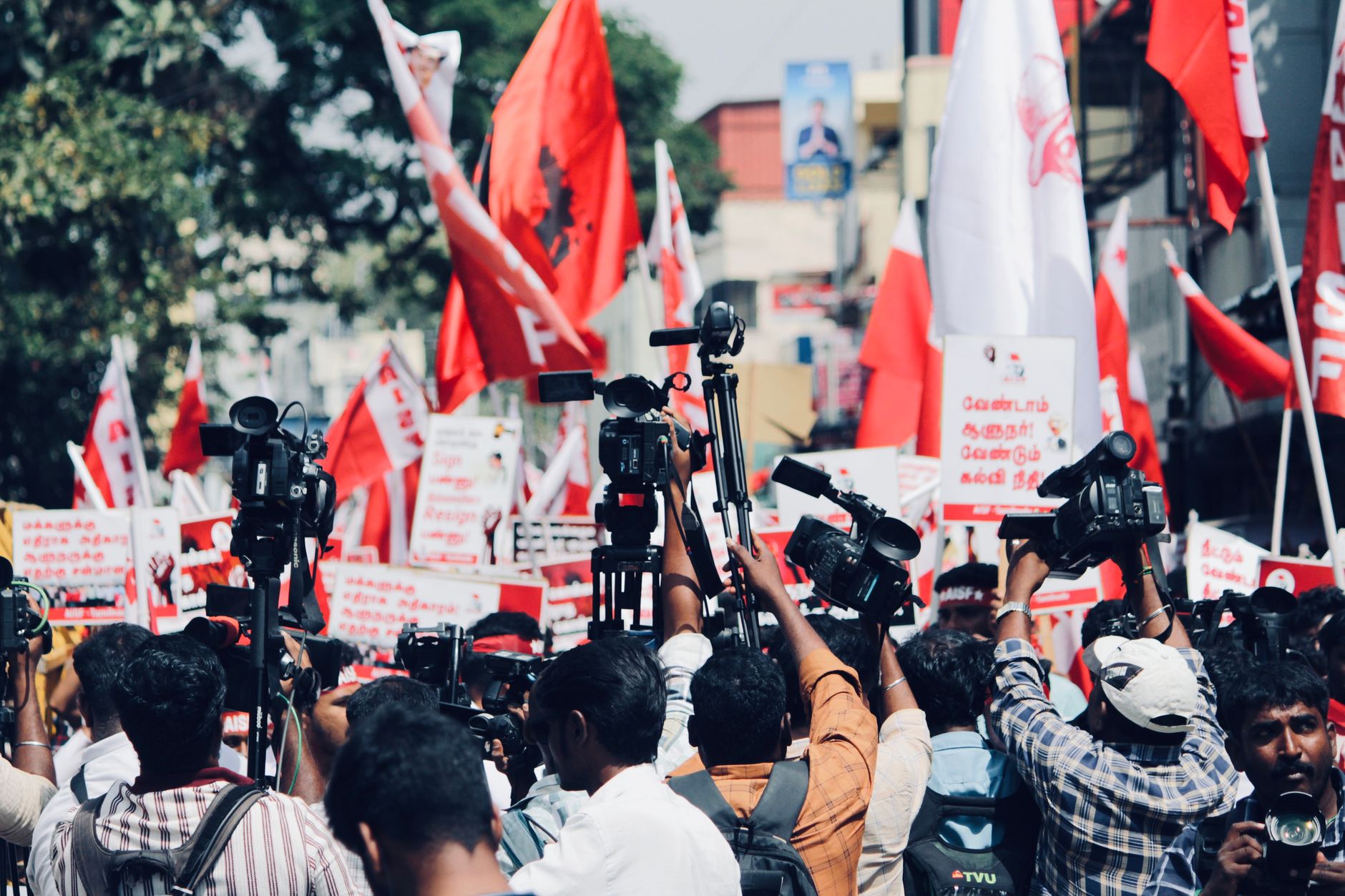
Both parties are intensifying grassroots presence through mohalla samitis, women’s groups, and youth organizations across all 234 assembly constituencies. DMK emphasizes digital connectivity through mobile apps tracking welfare disbursement. AIADMK invests in traditional organizational structures and local meetings. Citizens should participate in these grassroots forums to voice concerns directly and understand ground-level party organization strength.
Impact on Common Citizens
The DMK-AIADMK competition directly affects daily life through infrastructure development pace, welfare scheme implementation, and administrative efficiency. Electricity costs, bus fare structures, and water distribution quality depend on ruling party priorities. Students benefit differently based on education policy emphasis between parties. Farmers’ income directly correlates with government procurement policies and loan availability implemented by winning alliances. Urban workers’ employment opportunities improve through industrial policy choices made by ruling governments.
Conclusion: Preparing for 2026 Elections
The 2026 Tamil Nadu elections represent crucial democratic participation opportunities. Citizens should move beyond political rhetoric, examining concrete developmental outcomes, financial statements of ongoing projects, and candidate competency. Both DMK and AIADMK claim developmental superiority; voters must independently verify claims through district-specific data and project completion records. Active political participation, informed voting decisions, and continuous governance monitoring ensure politicians remain accountable to citizen interests. Engage systematically in this electoral process to shape Tamil Nadu’s development trajectory.
Frequently Asked Questions
Who is leading DMK and AIADMK in 2026?
M.K. Stalin leads DMK while AIADMK is led by Edappadi K. Palaniswami. Both are preparing intensively for the 2026 Tamil Nadu assembly elections with strong organizational strategies across major districts.
What are DMK’s main strengths in Tamil Nadu politics?
DMK maintains strong urban strongholds, particularly in Chennai and central constituencies. The party has organized support networks and effective grassroots mobilization, giving it significant political advantage heading into 2026 elections.
Which districts are critical battlegrounds for 2026 elections?
Key battleground districts include Chennai, Coimbatore, Madurai, and Salem. Both DMK and AIADMK are intensifying organizational efforts in these regions as they represent crucial voting bases for electoral victory.