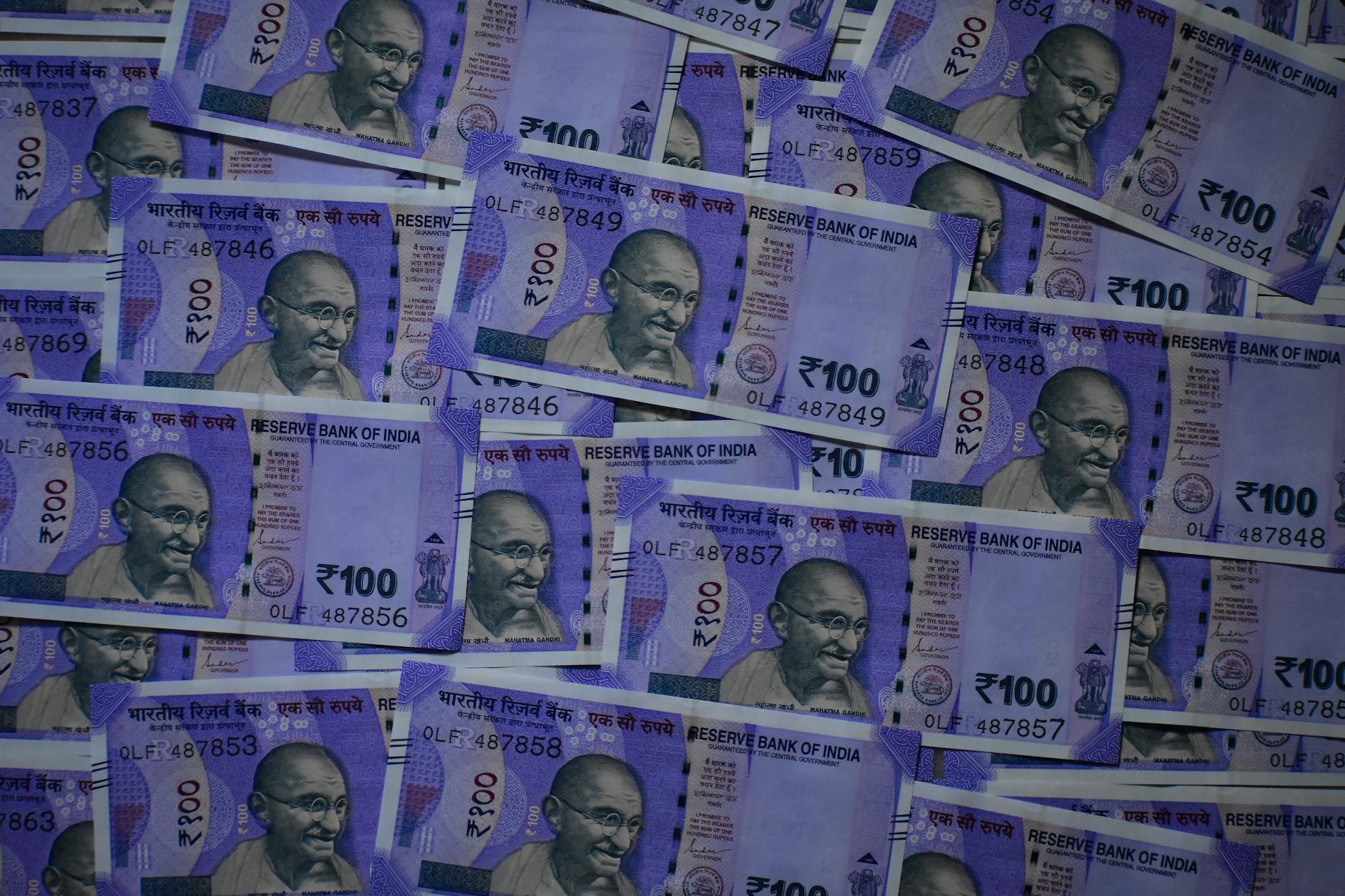
The Digital Banking Revolution in India 2026
Digital banking has transformed the financial landscape of India, and 2026 marks a pivotal moment in this evolution. With over 450 million digital bank users across the country, Indians have embraced online banking like never before. The Reserve Bank of India’s latest data shows that digital transactions now account for nearly 85% of all banking activities in urban areas, with rural penetration increasing significantly each quarter.
Understanding Online Banks vs Neo Banks
Online banks are traditional banks operating primarily through digital platforms with minimal physical branches, while neo banks are entirely digital-first institutions without any physical presence. Both models offer distinct advantages. Online banks provide the security of established financial institutions, while neo banks offer innovative features and lower operational costs. In Tamil Nadu, where cities like Chennai and Coimbatore show high digital adoption rates, both categories are thriving.
Top Online Banks in India 2026
ICICI Bank and HDFC Bank continue to dominate the online banking sector with their comprehensive mobile applications and robust security features. Both banks offer zero-balance accounts, competitive interest rates on savings, and seamless fund transfer facilities. For Tamil Nadu residents, accessing these banks through apps like iMobile and NetBanking provides 24/7 account access with minimal hassle.
Axis Bank and Kotak Mahindra Bank have also strengthened their digital offerings in 2026, introducing AI-powered financial advisors and automated investment options. State Bank of India, India’s largest public sector bank, has modernized its YONO app to offer comprehensive digital solutions including insurance, mutual funds, and loan products.
Rising Neo Banks Reshaping Finance
Jupiter, one of India’s leading neo banks, has attracted over 3 million customers by 2026 with its sleek interface and instant account opening process. Signing up takes just five minutes without visiting any branch, making it ideal for tech-savvy Tamil Nadu youth in Bangalore tech corridors and Chennai IT parks.
Open, another prominent neo bank, caters primarily to freelancers and entrepreneurs. It offers business accounts with no minimum balance requirements and features like automated invoice management. In cities like Coimbatore, where small business ownership is prevalent, Open has gained significant traction.
Niyo and Fi are other neo banks gaining momentum, particularly among younger demographics. Niyo focuses on salary accounts and employee benefits, while Fi offers premium features like insurance coverage on deposits and specialized financial tools.
Security Measures and Best Practices
While digital banking offers convenience, security remains paramount. In 2026, most banks implement two-factor authentication, biometric login, and real-time fraud detection systems. RBI regulations mandate that all digital transactions exceeding ?1 lakh require additional verification steps.
For Tamil Nadu readers, essential security practices include never sharing OTPs, maintaining strong passwords, and regularly monitoring account statements. Use only official bank apps downloaded from verified sources. If you receive suspicious messages or calls requesting sensitive information, contact your bank’s customer service immediately.
Interest Rates and Account Benefits in 2026
Current savings account interest rates range from 3.5% to 4.5% across major online banks. Digital-first neo banks often offer higher rates, reaching 5% to 6% annually. This represents a competitive advantage for customers willing to embrace technology.
Most online banks waive maintenance charges and offer unlimited free transfers across networks. NEFT, RTGS, and IMPS transactions are typically free, though some banks charge nominal fees for international transfers.
Opening an Account: Step-by-Step Guide
Opening a digital bank account in Tamil Nadu is straightforward. Visit the bank’s official website or download the mobile app, then initiate account opening. You’ll need valid identification like Aadhar or PAN, a recent photograph, and address proof. Video KYC verification, now standard across banks, takes approximately 10 minutes.
Neo banks generally have faster processing times, with accounts becoming operational within hours. Traditional online banks may take 24-48 hours for full account activation including debit card issuance.
Choosing the Right Digital Bank for Your Needs
Selection depends on individual requirements. If you prioritize customer service and extensive branch networks, traditional online banks like HDFC or ICICI suit your needs. For innovative features, lower fees, and attractive interest rates, neo banks offer compelling alternatives.
Salary earners might prefer banks offering auto-payment facilities and investment options. Entrepreneurs should consider Open or Jupiter for business-friendly features. Students benefit from accounts with no minimum balance and free debit cards.
The Future of Digital Banking in Tamil Nadu
As Tamil Nadu continues its digital transformation, particularly in metros like Chennai and Tier-2 cities like Salem and Madurai, digital banking adoption will accelerate. RBI’s initiatives promoting fintech innovation and digital literacy ensure that secure, convenient banking becomes accessible to all.
By 2026, digital banking is no longer optional but essential for financial management in India. Whether choosing established online banks or innovative neo banks, Tamil Nadu residents have unprecedented access to world-class banking services from their smartphones.
View on Amazon India →
* Affiliate link – we may earn a small commission at no extra cost to you
Frequently Asked Questions
What is the difference between online banks and neo banks in India?
Online banks are traditional banks with digital platforms and few branches, while neo banks are entirely digital-first with no physical presence. Both offer convenience, but online banks provide traditional banking security with regulatory oversight.
Are online banks safe in India 2026?
Yes, RBI-regulated online banks are safe. They follow stringent security protocols, deposit insurance up to ?5 lakhs per bank, and encryption standards. Always enable two-factor authentication and avoid public WiFi for transactions.
Which neo banks are best for Tamil Nadu residents?
Popular neo banks include Jupiter, Niyo Plus, and Open. They offer zero balance accounts, no hidden charges, and mobile-first features. Verify RBI registration and customer support availability in Tamil before choosing.