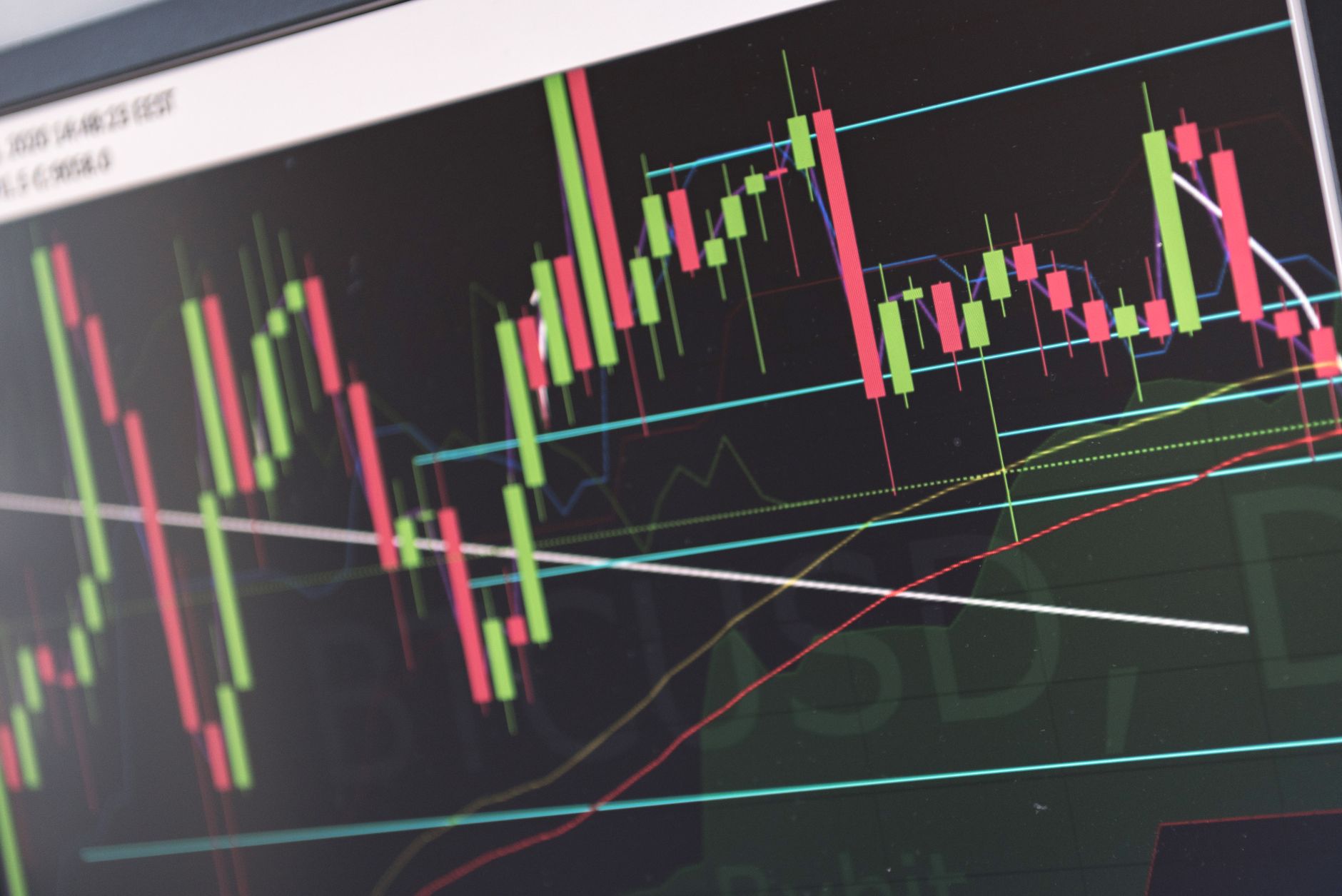
Understanding Market Prediction in Indian Stock Market
Predicting tomorrow’s market moves in the Indian stock market requires a combination of technical analysis, fundamental understanding, and market sentiment analysis. The National Stock Exchange (NSE) and Bombay Stock Exchange (BSE) operate with specific patterns that traders can learn to recognize. For investors in Tamil Nadu and across India, understanding these patterns is crucial for making informed trading decisions. The Indian market has shown distinct characteristics, especially after the COVID-19 pandemic, with increased retail participation and volatility in mid-cap and small-cap stocks.
Technical Analysis Tools for NSE Trading
Technical analysis forms the backbone of short-term market prediction. The Nifty 50 index, which represents the 50 largest companies on NSE, is the primary barometer of Indian market sentiment. By analyzing the moving averages of Nifty 50-particularly the 20-day, 50-day, and 200-day moving averages-traders can identify trend reversals. When the Nifty 50 closes above its 50-day moving average, it often signals bullish momentum for the next trading session. Tamil Nadu-based traders should pay special attention to large-cap stocks like TCS, HDFC Bank, and Reliance Industries, as these heavily influence the index movement.
Sensex and BSE Index Analysis
The BSE Sensex, comprising 30 large-cap stocks, moves in correlation with the Nifty 50 but sometimes leads or lags by a few minutes. Analyzing both indices simultaneously provides a clearer picture of market direction. Stocks like Infosys, ITC, and Maruti Suzuki show predictable patterns based on Sensex movements. BSE data typically shows higher volatility in the first hour of trading (9:15 AM to 10:15 AM IST) and the last hour (3:15 PM to 3:30 PM IST). Traders predicting tomorrow’s market should note today’s closing patterns on the BSE to gauge opening sentiment.
Volume Analysis and Price Action
Volume is a critical predictor of tomorrow’s market movement. When the NSE records unusually high trading volumes on a particular stock or index, it indicates strong conviction in the price movement. For instance, if HDFC Bank closes with significantly higher volume than its 20-day average, it suggests the move will likely continue into the next session. Tamil Nadu retail investors often overlook volume analysis, but it’s essential for predicting sustained price movements versus temporary spikes. The Nifty 50 typically shows predictable volume patterns on Mondays and Fridays compared to mid-week trading.
Resistance and Support Levels
Every stock on the NSE and BSE has crucial resistance and support levels. For Reliance Industries, which is a heavyweight in both indices, tracking its support at ?2,800 and resistance at ?3,000 helps predict broader market movements. When multiple stocks break their resistance levels simultaneously, it indicates bullish sentiment for the next trading day. Conversely, when support levels are breached across the board, it signals weakness ahead. Using tools like Pivot Points, Bollinger Bands, and Fibonacci levels, traders can calculate tomorrow’s potential price ranges with reasonable accuracy.
Market Sentiment and Nifty Futures Clues
Nifty 50 Futures traded on NSE provide invaluable clues about tomorrow’s market direction. By observing the futures contract premium or discount relative to the spot price at market close, traders can predict opening sentiment. If Nifty Futures close at a premium of 50-100 points above the spot price, expect a gap-up opening. This is particularly relevant for Tamil Nadu-based day traders who want to position themselves before market open. The Nifty Bank index futures also indicate financial sector strength, which heavily influences overall market direction.
FII and DII Data Analysis
Foreign Institutional Investors (FII) and Domestic Institutional Investors (DII) flows reported by NSE significantly impact the next day’s market. When FIIs show net buying in the last hour of trading, it typically results in a strong opening for the Nifty 50. Tamil Nadu traders can access this data on NSE’s website and use it to predict tomorrow’s market bias. Large institutional buying in defensive stocks like FMCG sector (HUL, ITC) versus aggressive buying in technology stocks (Infosys, TCS) tells different stories about market expectations.
Economic Calendar and News Impact
Tomorrow’s market prediction must account for scheduled economic announcements. RBI policy decisions, inflation data, and corporate earnings announcements create predictable volatility patterns. When earnings season approaches, stocks like TCS or Infosys show predictable volume spikes a day before results. Tamil Nadu investors should maintain a calendar of important announcements and adjust their prediction strategies accordingly. Banking stocks particularly react to RBI news, often showing 2-3% movements based on policy decisions announced after market hours.
Sector Rotation Patterns
The Indian market shows distinct sector rotation patterns. When interest rates are rising, banking and finance stocks typically outperform; when they’re falling, IT stocks gain prominence. By analyzing which sectors are leading today’s market, traders can predict tomorrow’s sectoral bias. Tracking individual sectors like Nifty Auto, Nifty Pharma, or Nifty Metal indices helps predict specific stock movements within those sectors. This is particularly useful for traders focused on specific sectors popular in Tamil Nadu like textile or automotive stocks.
Practical Trading Strategy for Tomorrow
Combine 3-4 of these factors for best results: Check NSE closing data for Nifty 50 and relevant stocks. Analyze volume compared to 20-day averages. Check Nifty Futures premium/discount. Review FII/DII data and any pending news. This approach significantly improves prediction accuracy for next-day trading decisions.
Disclaimer: This article is provided for educational purposes only and should not be considered as financial advice or investment recommendation. Market prediction involves substantial risk, and past performance does not guarantee future results. Always consult with a qualified financial advisor before making investment decisions. Trading in Indian stock markets (NSE/BSE) involves significant financial risk. The author and NammaNewz.com are not responsible for any financial losses incurred based on the strategies discussed in this article.
Disclaimer: This article is for educational purposes only and does not constitute financial advice. Please consult a SEBI-registered financial advisor before investing. NammaNewz is not responsible for investment decisions made based on this content.
View on Amazon India →
* Affiliate link – we may earn a small commission at no extra cost to you
Frequently Asked Questions
How can I predict NSE market moves tomorrow?
Use technical analysis tools like moving averages, RSI, and MACD on Nifty 50 charts. Monitor market sentiment, FII/DII flows, and previous day closing patterns. Combine with fundamental news for better accuracy in NSE trading predictions.
What are the best technical indicators for BSE trading?
Key indicators include Bollinger Bands, Stochastic Oscillator, MACD, and Relative Strength Index (RSI). Use volume analysis and support-resistance levels. Combine multiple indicators for accurate BSE stock predictions rather than relying on single signals.
Can retail investors in Tamil Nadu predict stock market accurately?
Yes, with proper training in technical analysis, market sentiment understanding, and risk management. Tamil Nadu investors can use NSE/BSE data, follow expert analysis, and practice paper trading. Consistent learning and disciplined strategy are essential for accurate predictions.