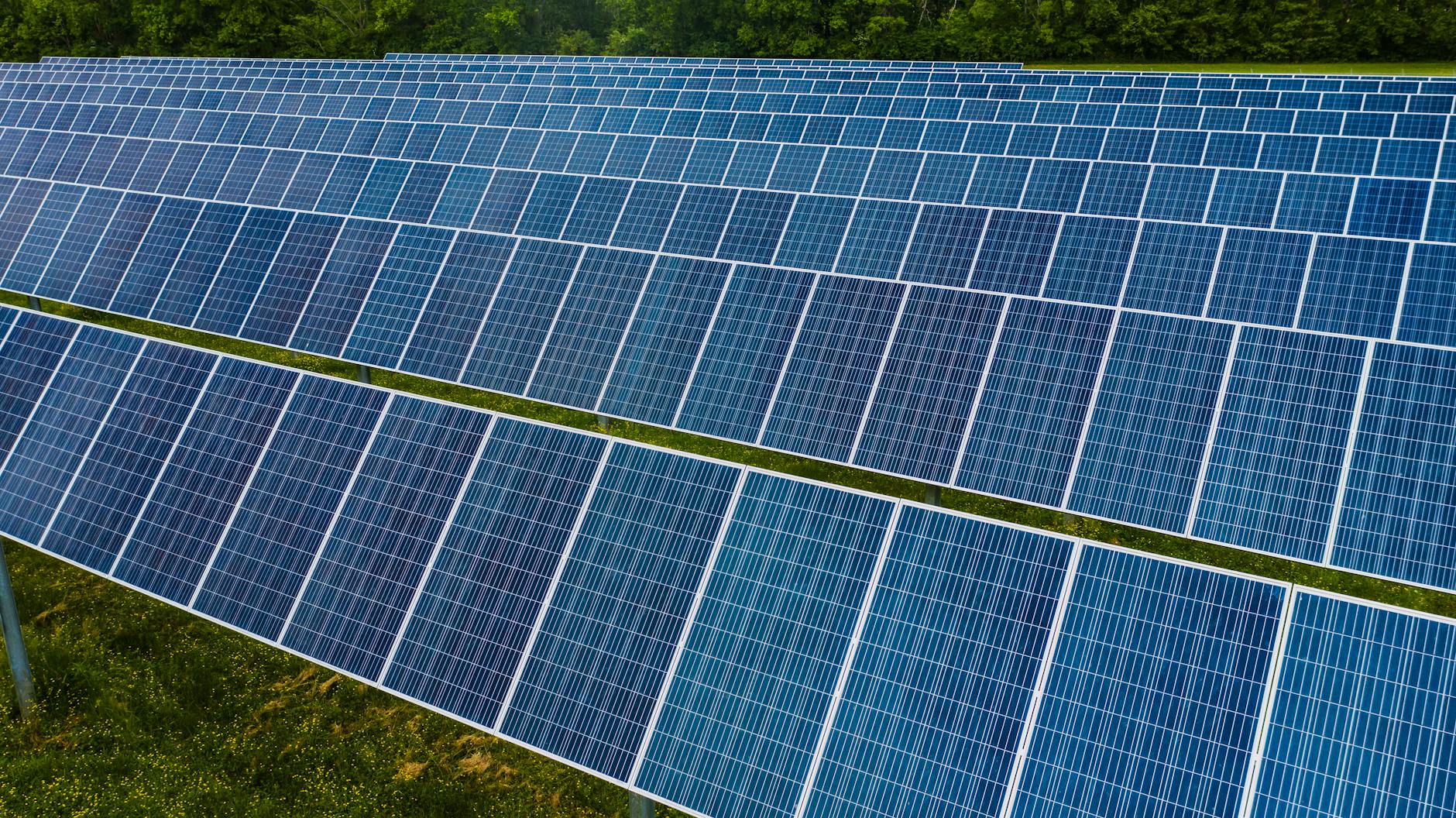
Tamil Nadu Solar Panel Scheme 2026: Your Complete Guide to Free Solar Installation
Tamil Nadu continues to lead India’s renewable energy revolution with its ambitious solar power initiatives for residential homes. As we move into 2026, the state government has rolled out enhanced subsidies and installation programs making solar energy more accessible than ever before. This comprehensive guide will help Chennai, Coimbatore, Madurai, and other Tamil Nadu residents understand the latest schemes, eligibility requirements, and application processes.
Understanding the Prime Minister’s Residential Solar Rooftop Scheme in Tamil Nadu
The centerpiece of Tamil Nadu’s solar initiative is the Prime Minister’s Residential Solar Rooftop Scheme (PMRSS), which offers substantial subsidies for home solar installations. In 2026, eligible homeowners in Tamil Nadu can receive up to 40% subsidy on their solar panel installation costs, depending on their system capacity and income category.
For a typical 3kW solar system in Chennai, the average installation cost ranges from ₹2,50,000 to ₹3,00,000. With the current subsidy structure, homeowners can expect to pay only ₹1,50,000 to ₹1,80,000 after government support. This makes solar energy financially viable for middle-class families across Tamil Nadu.
Subsidy Categories and Eligibility Criteria for 2026
Tamil Nadu has structured its solar subsidies into multiple categories based on annual household income. General category households earning up to ₹10 lakh annually qualify for the maximum 40% subsidy. SC/ST category households and Below Poverty Line (BPL) families receive additional benefits, sometimes up to 60% subsidy depending on specific state initiatives.
To be eligible for the scheme, you must own the residential property where the solar panels will be installed. Rented properties typically do not qualify unless landlord permission is documented with proper ownership verification. Your home must have a grid connection with TANGEDCO (Tamil Nadu Generation and Distribution Corporation), and you should not have received solar subsidies from any other government scheme in the past five years.
Free Solar Installation: Which Tamil Nadu Areas Qualify?
Certain Tamil Nadu municipalities have launched completely free solar installation programs as part of their green energy targets. Kochi, Thiruvananthapuram neighboring areas, and progressive municipalities in the Nilgiris district have occasionally offered entirely free 1-2kW systems. However, these programs have limited slots and strict eligibility criteria.
Most homeowners benefit more from the subsidy route rather than waiting for free installation programs. The subsidy approach is more accessible and allows you to choose your preferred solar installer and panel quality.
How to Apply: Step-by-Step Process
The application process for Tamil Nadu’s solar scheme has been simplified with online portals. Visit the official MNRE (Ministry of New and Renewable Energy) website or the state’s TANGEDCO portal to begin your application. You’ll need to provide your TANGEDCO consumer number, Aadhaar card, proof of residence, and property ownership documents.
After submitting your online application, a technical team will conduct a site survey of your home to assess roof space, structural capacity, and optimal solar panel placement. This survey typically takes 2-3 weeks. Once approved, you’ll receive a list of empaneled solar installers in your area. Choose from these pre-qualified vendors to ensure quality and post-installation support.
Expected Benefits and Long-term Savings
A typical 3kW solar system in Tamil Nadu generates approximately 12-14 units of electricity daily, translating to 4,000-5,000 units annually. This can reduce your electricity bill by 40-60%, depending on your current consumption patterns. For families consuming 300-400 units monthly, installing solar can save ₹20,000-₹30,000 annually.
Most solar installations pay for themselves within 5-6 years in Tamil Nadu, given the state’s excellent solar irradiance averaging 5.5 kWh/m²/day. The system’s 25-year warranty ensures benefits for decades.
Banking and Financing Options
Several Tamil Nadu banks offer special solar loans with reduced interest rates of 6-7% annually. NABARD-assisted schemes and SIDBI loans are available for eligible homeowners. Many installers also offer financing options where you pay the net amount after subsidy in monthly installments.
Important Considerations Before Going Solar
Check your roof’s structural integrity and orientation. North-south facing roofs work best in Tamil Nadu. Verify with your apartment association if you live in a gated community, as some have specific solar policies. Also, ensure your TANGEDCO connection allows net metering, which lets you sell excess electricity back to the grid.
Conclusion
Tamil Nadu’s 2026 solar schemes represent an unprecedented opportunity for homeowners to invest in clean energy while reducing electricity costs. With subsidies covering 40% of installation costs and long-term financial benefits, going solar is a smart decision for Tamil Nadu residents committed to sustainability and financial savings.