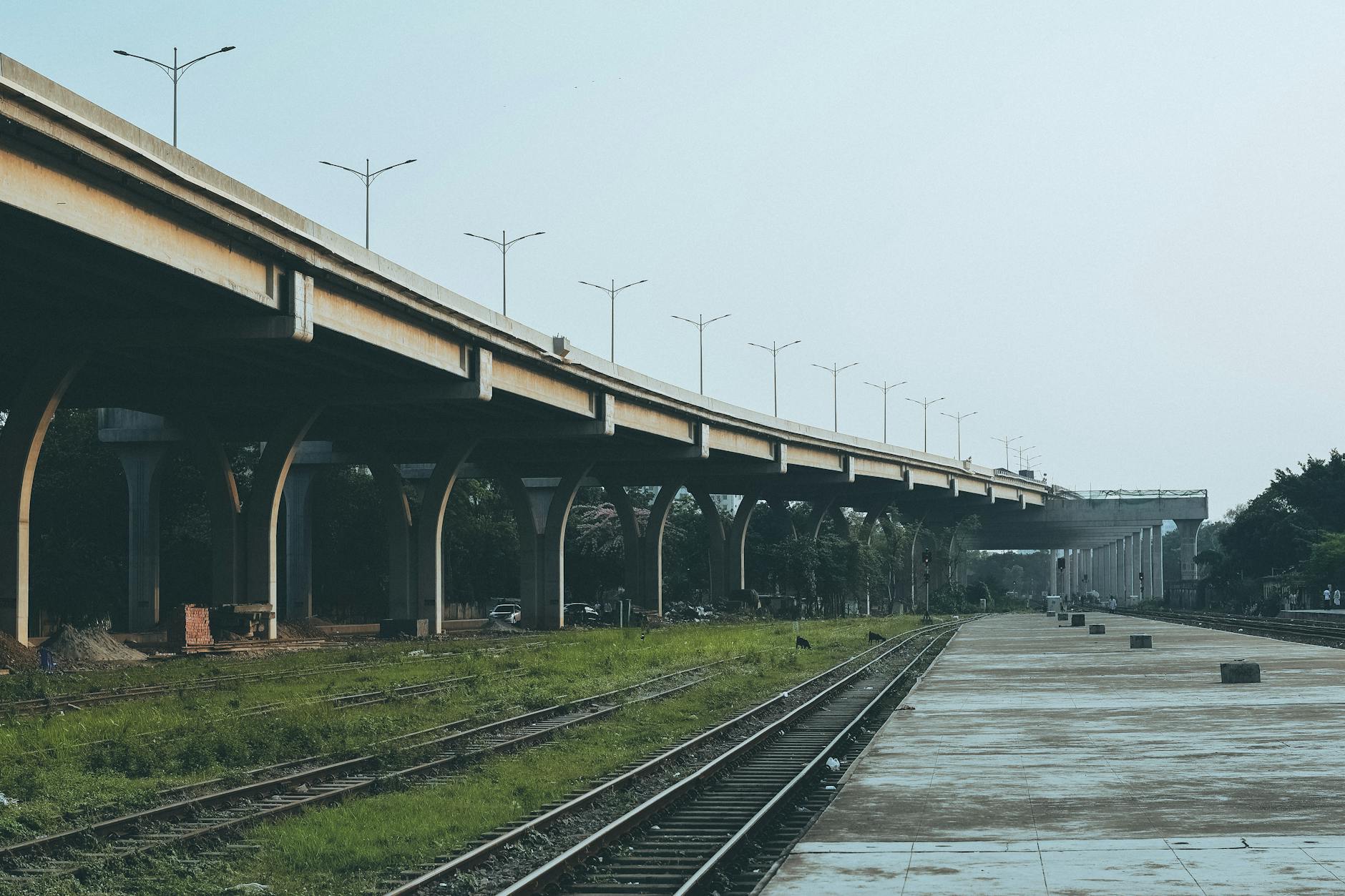
Tiruvannamalai Railway Station Bridge Delay Forces Commuters to Cross Tracks Dangerously
Commuters traveling to and from Tiruvannamalai railway station in Tamil Nadu are facing an unexpected crisis as ongoing construction delays for a crucial bridge connector have left passengers with no choice but to risk crossing railway tracks directly. This situation, which has persisted for several weeks, highlights the growing infrastructure challenges in smaller railway stations across Tamil Nadu and raises serious safety concerns for thousands of daily travelers.
What Happened at Tiruvannamalai Railway Station?
Tiruvannamalai, a significant pilgrimage and commercial hub in the Ranipet district of Tamil Nadu, serves as a vital transportation junction for residents and visitors alike. The railway station typically handles thousands of passengers daily, many of whom are devotees visiting the famous Arunachaleswara Temple and local business travelers.
The administrative authorities had planned to construct a pedestrian overbridge to provide safe passage for commuters between different sections of the station and surrounding areas. This bridge project was intended to decongest the main station entrance and reduce dangerous track crossings. However, delays in the construction work have left the project incomplete, and passengers continue to navigate their way through the station using alternative, often hazardous routes.
Why This Bridge Matters for Tamil Nadu Commuters
The proposed pedestrian overbridge is not merely a convenience feature-it represents a critical safety infrastructure component for one of Tamil Nadu’s busier secondary railway stations. According to local commuter reports, the absence of a proper bridge has created a bottleneck during peak travel hours, particularly in early mornings and evenings when the station witnesses maximum footfall.
For elderly pilgrims, children, and people with mobility challenges, crossing railway tracks directly poses significant risk. The practice of track-crossing to reach the station platform is a violation of railway safety regulations and exposes commuters to life-threatening dangers. A single moment of distraction or an unexpected train movement could result in tragic consequences.
Impact on Daily Commuters and Local Residents
The delay in bridge construction has created a cascading effect on daily commuting patterns. Residents from surrounding villages and towns who depend on Tiruvannamalai railway station to access Chennai for employment, education, and medical purposes now face added stress and time constraints.
For Chennai residents and professionals working in Tiruvannamalai, the incomplete infrastructure adds an unnecessary layer of complexity to their commute. Many business travelers and students who use this route report increased frustration and concern about personal safety. Women commuters, in particular, have expressed anxiety about navigating the station during off-peak hours when fewer people are around.
The situation also affects merchants and small business owners who operate near the railway station. Reduced passenger comfort translates to fewer visitors stopping at local shops and restaurants, directly impacting their livelihoods.
Safety Concerns and Regulatory Issues
Indian Railways has strict safety protocols regarding pedestrian movement in station premises. The Railway Protection Force (RPF) periodically conducts awareness campaigns emphasizing the dangers of unauthorized track crossing. Yet, when infrastructure like a proper bridge remains incomplete, authorities inadvertently push commuters toward these very violations.
Local safety activists have raised concerns about the contradiction between safety guidelines and ground reality. Commuters are technically breaking rules by crossing tracks, but the lack of safer alternatives leaves them with limited choices. This situation represents a governance failure where planning and implementation timelines don’t align with ground-level safety needs.
Root Causes of Construction Delays
While specific details about the delay causes vary according to different sources, common factors in such projects typically include:
- Budget allocation and fund release delays from higher administrative levels
- Contractor-related issues and labor availability challenges
- Weather-related disruptions, particularly during monsoon seasons
- Clearances and approvals from multiple railway and municipal authorities
- Land acquisition and coordination with local stakeholders
Tamil Nadu’s infrastructure sector has faced similar delays across multiple projects. The state government’s focus on larger metropolitan projects sometimes leaves smaller stations with lower priority, leading to prolonged timelines for essential safety infrastructure.
Government Response and Expected Timeline
Railway authorities and the Tamil Nadu state government have acknowledged the situation. Local officials have promised expedited completion of the bridge project, though specific timelines remain uncertain. The Tiruvannamalai Municipal Corporation and Railway Division have reportedly held multiple meetings to address the bottleneck.
However, commuters express skepticism about promised delivery dates based on historical delays in similar projects across the state. Transparency regarding the exact obstacles and realistic project completion dates would help manage public expectations.
Broader Implications for Tamil Nadu’s Railway Infrastructure
This situation at Tiruvannamalai is symptomatic of broader infrastructure challenges in Tamil Nadu’s secondary and tertiary railway stations. While major stations in Chennai receive regular upgrades and maintenance, smaller stations struggle with basic safety amenities.
The state government and Railway Ministry need to reassess their approach to infrastructure development in non-metropolitan areas. Tiruvannamalai’s religious significance and commercial importance deserve prioritized attention for safety-critical projects.
What Commuters Can Do: Practical Safety Advice
For daily travelers using Tiruvannamalai railway station, here are some practical recommendations:
- Avoid Track Crossing: No matter how convenient it seems, never cross railway tracks directly. Wait for designated crossing points or official bridges.
- Use Established Routes: Identify the safest available route to your destination within the station, even if it takes slightly longer.
- Travel in Groups: Whenever possible, travel with companions, especially during early mornings or late evenings.
- Report Safety Issues: Contact the Railway Protection Force (RPF) or station authorities about dangerous practices you observe.
- Stay Informed: Follow official Tamil Nadu government and Indian Railways announcements for project completion updates.
- Voice Concerns: Write to local elected representatives and railway authorities expressing your concerns about safety and infrastructure.
The delay in Tiruvannamalai railway station’s bridge construction represents a failure in infrastructure planning that directly affects thousands of Tamil Nadu residents daily. While authorities work toward completion, commuters must remain vigilant about safety while navigating the station. This situation underscores the need for better coordination between planning and implementation in Tamil Nadu’s railway development projects.