Lorry Hits Two-Wheeler in Chennai: Pillion Rider Run Over, Serious Safety Alarm Raised
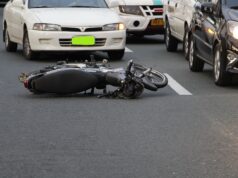
In yet another horrifying road accident that has shaken Chennai residents, a heavy-duty lorry collided with a two-wheeler on a busy city street, resulting in the pillion rider being run over by the massive vehicle. The incident, which occurred in one of Chennai’s congested traffic zones, highlights the growing dangers faced by two-wheeler commuters on Tamil Nadu roads and raises critical questions about vehicle safety regulations and driver accountability.
What Happened: The Accident Details
The tragic collision took place when a commercial lorry, allegedly traveling at high speed, struck a two-wheeler from behind without warning. The impact was so severe that the pillion rider-the person sitting behind the driver-was thrown off the vehicle and subsequently run over by the lorry’s massive wheels. Eyewitnesses reported hearing the horrifying sounds of the collision, with shocked onlookers rushing to help the victim.
Emergency responders arrived at the scene and rushed the injured pillion rider to a nearby government hospital for emergency medical treatment. The exact condition of the victim remains a matter of serious concern, with medical teams working to assess the extent of internal and external injuries sustained from being run over by such a heavy vehicle.
The lorry driver reportedly continued driving for some distance before authorities managed to stop the vehicle and apprehend the driver. Initial investigations suggest that the driver may have been distracted or failed to maintain proper distance from the two-wheeler, a common cause of accidents in Chennai’s chaotic traffic environment.
Why This Matters to Chennai and Tamil Nadu Commuters
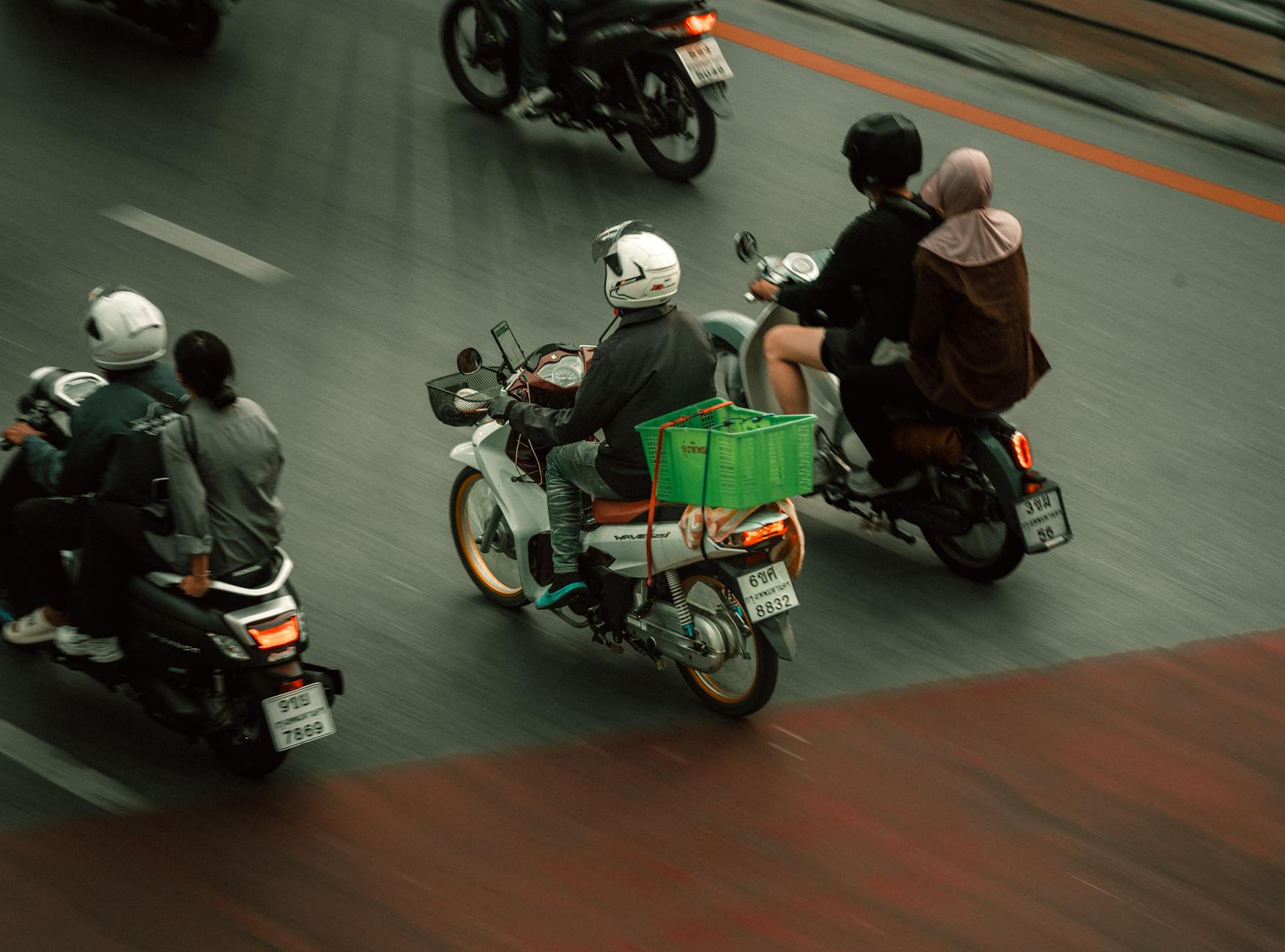
This accident is not an isolated incident. Chennai, like many Indian metropolitan areas, witnesses hundreds of road accidents annually, with two-wheeler riders bearing the brunt of the impact. The city’s congested roads, mixed traffic patterns, and the presence of numerous commercial vehicles create a perfect storm of danger for vulnerable road users.
Two-wheelers account for nearly 40% of all vehicles on Chennai roads, yet riders and pillion passengers receive minimal protection during collisions. Unlike cars, which have airbags, reinforced frames, and crumple zones, motorcycles and scooters leave riders completely exposed to impact forces. When a multi-ton lorry collides with a two-wheeler, the results are almost always catastrophic.
The incident also raises concerns about commercial vehicle management in Tamil Nadu. Lorries and trucks, which are essential for the state’s economy, are often driven by fatigued drivers working excessive hours without proper rest. Many lack basic safety features like blind-spot mirrors and proximity alarms that could prevent such accidents.
Road Safety Crisis in Chennai: The Bigger Picture
Tamil Nadu ranks among the states with the highest number of road accidents in India. According to recent traffic police data, Chennai experiences multiple fatal accidents every week, with pedestrians, cyclists, and two-wheeler riders being the most vulnerable. The lack of strict enforcement of traffic rules, combined with poor road infrastructure and inadequate street lighting in many areas, creates dangerous conditions.
The phenomenon of lorries running over or hitting two-wheelers is particularly prevalent during peak traffic hours when both commercial vehicles and personal commuters share narrow roads designed for lighter traffic loads. Blind spots-areas around large vehicles where drivers cannot see-are a major contributing factor to such accidents.
Regulatory Gaps and Enforcement Issues
While Tamil Nadu has traffic regulations in place, enforcement remains inconsistent. Speed limits are often ignored, especially by commercial vehicles whose drivers face pressure to meet delivery deadlines. Overloaded lorries are common sights on Chennai roads, making vehicles harder to control and increasing stopping distances.
Additionally, many drivers lack proper training in handling heavy vehicles in dense urban traffic. The licensing system for commercial vehicle operators has loopholes, allowing inadequately trained individuals to operate lorries and trucks that weigh several tons.
What Two-Wheeler Riders Can Do: Practical Safety Advice
1. Maintain Awareness and Distance: Always maintain a safe distance from large vehicles. Never ride directly in front of or beside lorries, trucks, or buses. Stay in the center or left lane when possible to avoid blind spots.
2. Wear Protective Gear: Helmets save lives. Ensure both the rider and pillion passenger wear ISI-certified helmets every time. Consider wearing protective jackets, gloves, and shoes designed for motorcycle accidents.
3. Avoid Blind Spots: Be aware that lorry drivers cannot see vehicles directly behind or immediately beside their vehicles. Never linger in these zones while stopped at traffic signals.
4. Use Visibility Aids: Wear bright-colored clothing, use reflectors on your two-wheeler, and keep your headlight on even during daytime. This helps lorry drivers spot you earlier.
5. Follow Traffic Rules: Obey speed limits, don’t jump red lights, and avoid zigzagging through traffic. Predictable riding patterns make you more visible to other drivers.
6. Report Rash Drivers: If you notice commercial vehicle drivers engaged in rash behavior, report them to traffic police with vehicle registration numbers and photographs if possible.
7. Advocate for Change: Support campaigns for better road infrastructure, stricter commercial vehicle regulations, and enhanced driver training programs in Tamil Nadu.
Conclusion: A Call for Collective Action
The lorry hitting the two-wheeler in Chennai is a grim reminder that our roads need urgent attention. While individual precautions are essential, systemic changes-including better enforcement, infrastructure improvements, and stricter regulations on commercial vehicles-are equally important. The Tamil Nadu government, traffic authorities, vehicle manufacturers, and citizens must collaborate to make roads safer for everyone, especially vulnerable two-wheeler commuters who form the backbone of the city’s daily mobility.
Frequently Asked Questions
What happened in the Chennai lorry accident?
A commercial lorry traveling at high speed struck a two-wheeler from behind in a congested Chennai traffic zone. The pillion rider was run over by the vehicle, resulting in serious injuries and raising critical safety concerns about road regulations.
How can two-wheeler riders stay safe on Tamil Nadu roads?
Always wear helmets, follow traffic signals, avoid blind spots of large vehicles, maintain safe distance from lorries and buses, use mirrors constantly, and avoid speeding. Stay alert in congested areas and avoid using mobile phones while riding.
What are driver accountability measures for road accidents in Chennai?
Drivers involved in accidents face legal action under Motor Vehicles Act. They must maintain valid licenses, follow speed limits, and carry insurance. Regular vehicle fitness checks and stricter enforcement of traffic rules help improve road safety accountability.