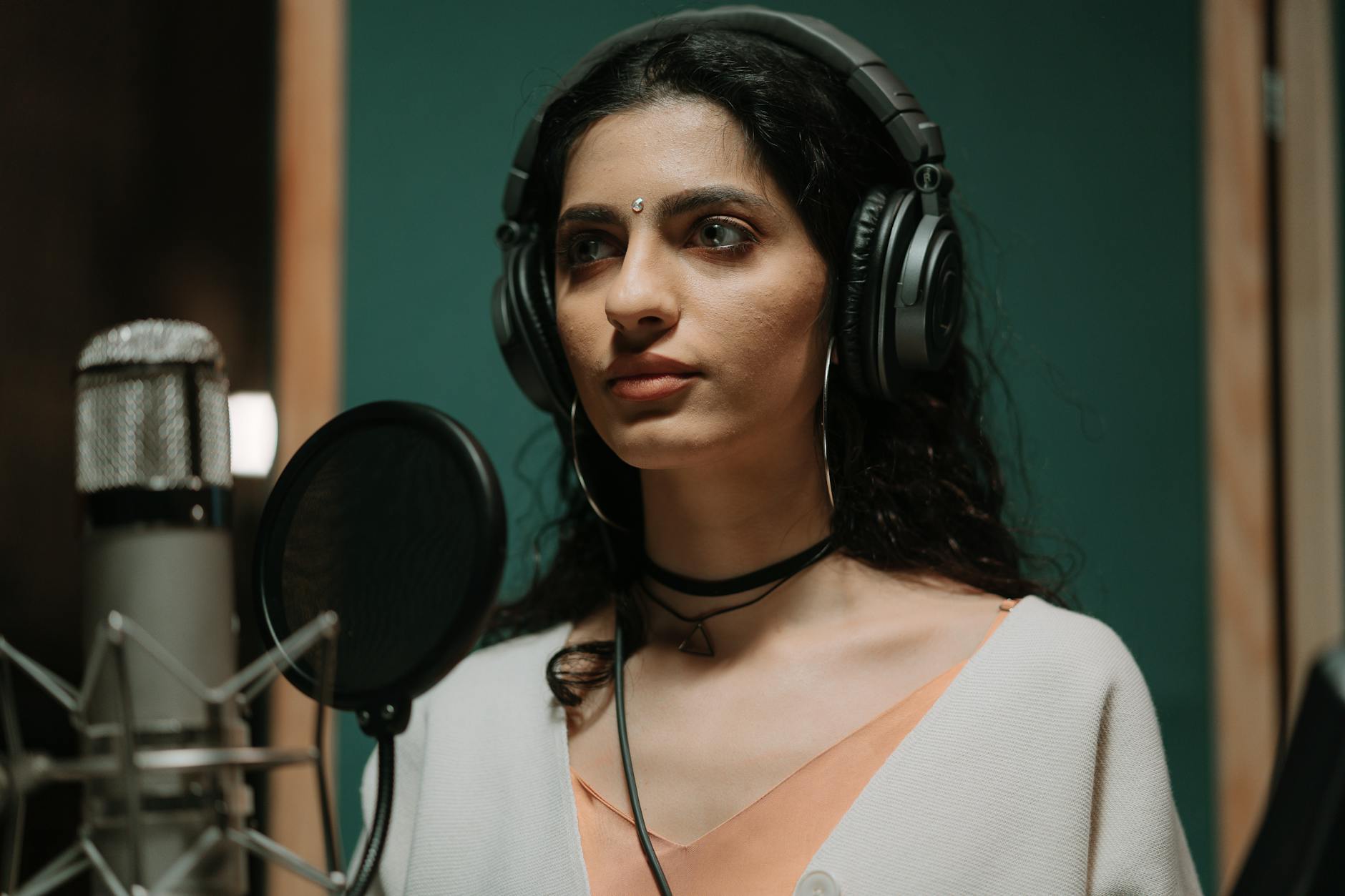
The Rise of AI Voice Cloning in Tamil Cinema
The Tamil film industry, one of India’s most vibrant entertainment sectors, is standing at the crossroads of technological innovation and artistic tradition. Artificial Intelligence voice cloning has emerged as a transformative technology that promises to revolutionize how playback singing works in Tamil cinema. This cutting-edge technology can now replicate a singer’s voice with stunning accuracy, raising both exciting possibilities and serious concerns for the thousands of playback singers who form the backbone of Tamil film music.
Understanding AI Voice Cloning Technology
AI voice cloning uses deep learning algorithms and neural networks to analyze and reproduce a person’s unique vocal characteristics. By studying voice samples, the technology can generate new speech or singing in that person’s voice. In the context of Tamil cinema, this means that a single actor or director could theoretically create songs in any playback singer’s voice without their physical presence or permission.
Impact on Tamil Playback Singers
Tamil playback singers have long been the unsung heroes of the film industry. Legendary artists like S.P. Balasubrahmanyam, K.S. Chithra, and Hariharan have shaped generations of Tamil cinema through their extraordinary vocal talents. The introduction of AI voice cloning poses unprecedented challenges to this community. Young singers entering the industry face uncertainty about their future prospects, as producers might opt for cheaper AI-generated alternatives rather than hiring live singers.
The economic implications are substantial. Tamil Nadu has a thriving ecosystem of playback singers, music directors, and recording studios that collectively generate significant employment and revenue. A shift towards AI-generated voices could disrupt this entire sector, potentially leaving hundreds of skilled artists without work opportunities.
Quality and Authenticity Concerns
Despite technological advances, AI-generated singing still lacks the emotional depth and nuanced expression that human singers bring to their performances. The subtle variations in pitch, breathing, and emotional intensity that make a song memorable are difficult for machines to replicate perfectly. Tamil film music, deeply rooted in classical traditions and emotional storytelling, particularly demands this human touch that artificial intelligence cannot yet fully provide.
Audiences who have grown accustomed to the authentic performances of their favorite singers may notice the difference, potentially affecting the film’s reception and the emotional connection that music creates with viewers.
Legal and Ethical Implications
The Tamil Nadu government and film industry bodies face urgent questions about intellectual property rights and artists’ protection. How can playback singers’ voices be legally protected from unauthorized cloning? What consent mechanisms should be in place before someone’s voice can be replicated? These questions remain largely unanswered in India’s current legal framework.
The misuse potential is concerning. Without proper regulations, archived recordings of famous singers could be used to create songs they never actually performed, potentially damaging their reputation or being exploited for commercial gains without compensation.
Opportunities Within Challenges
Not all implications of AI voice cloning are negative. The technology could assist music directors in pre-production work, allowing them to test melodies and compositions before engaging playback singers. It could also provide opportunities for aspiring singers to develop and showcase their talent by working with AI tools during training phases.
Additionally, AI voice cloning could help preserve the legacies of legendary singers, allowing future generations to hear new compositions in their original voices, creating a unique tribute to musical icons.
The Way Forward
The Tamil film industry must proactively address the AI voice cloning challenge through comprehensive policies and regulations. The government should work with industry stakeholders to establish clear guidelines on voice cloning usage, artist consent requirements, and compensation mechanisms. Industry associations should advocate for their members’ rights while remaining open to technological evolution.
Tamil playback singers must also adapt by continuously improving their craft, building stronger connections with audiences, and exploring new opportunities that AI technology might create. Education and skill development programs can help artists understand and leverage technology rather than fear it.
Conclusion
AI voice cloning represents both a threat and an opportunity for Tamil cinema’s playback singing community. While the technology poses challenges to traditional employment models, thoughtful regulation, ethical implementation, and industry adaptation can ensure that Tamil film music continues to thrive with both human artistry and technological innovation working in harmony.
View on Amazon India →
* Affiliate link – we may earn a small commission at no extra cost to you
Frequently Asked Questions
What is AI voice cloning and how does it work?
AI voice cloning uses deep learning algorithms to analyze vocal characteristics and recreate a singer’s voice digitally. It studies voice samples to replicate unique tones, pitch, and emotional nuances with high accuracy for use in films.
How will AI voice cloning affect Tamil playback singers?
AI voice cloning could reduce job opportunities for playback singers while cutting production costs for filmmakers. However, it may also create new roles in voice training, AI supervision, and artistic direction for singers in Tamil cinema.
Is AI voice cloning legal in Tamil Nadu film industry?
Currently, there are no specific regulations governing AI voice cloning in Tamil cinema. The industry awaits government guidelines and legal frameworks to protect artist rights while allowing technological innovation.