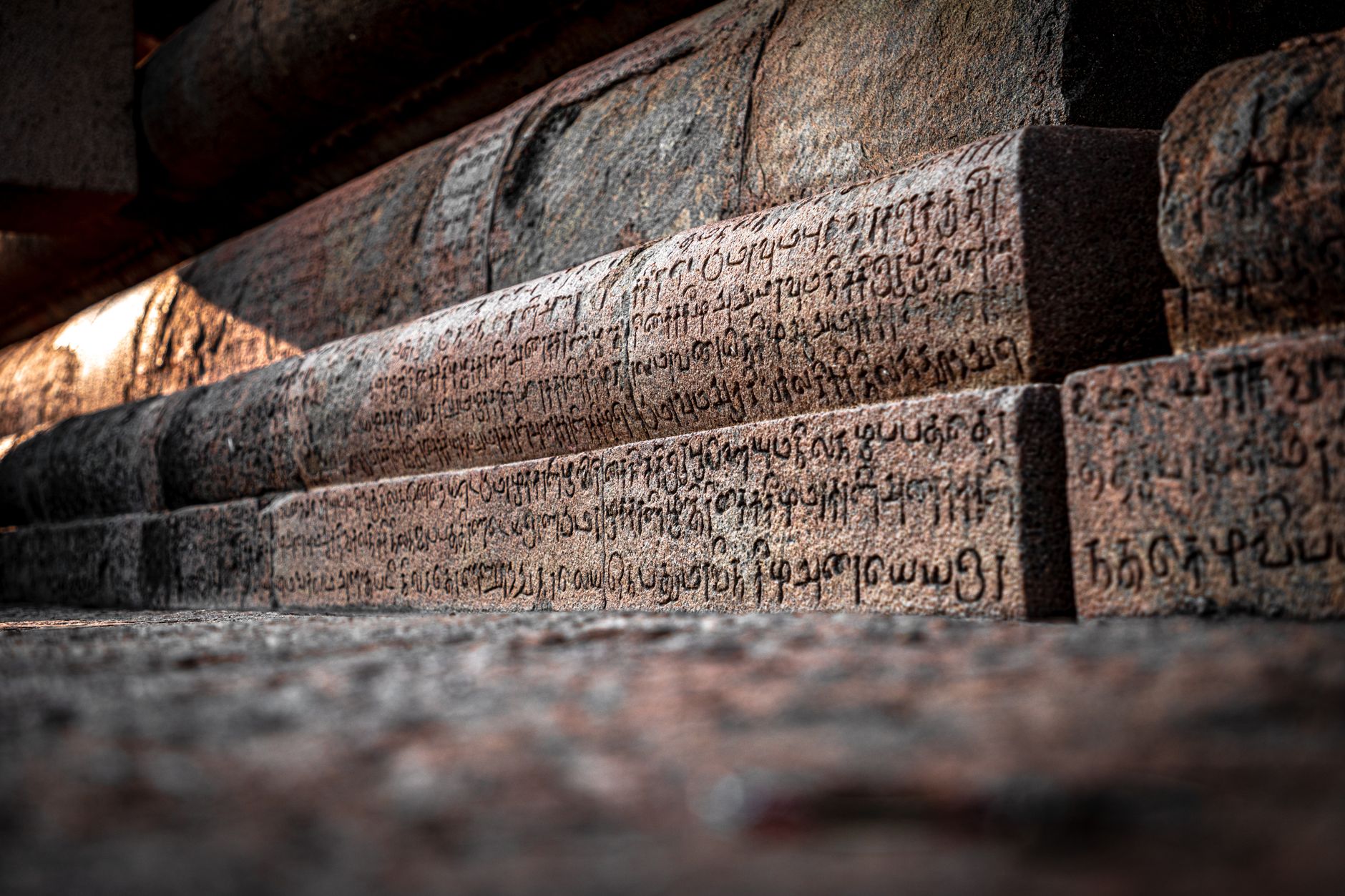
The Rise of AI in Tamil Film Industry
The Tamil film industry, known for its rich storytelling tradition and creative excellence, stands at a crossroads as artificial intelligence increasingly enters the scriptwriting domain. With major production houses experimenting with AI-powered narrative tools, Tamil writers are facing an unprecedented challenge that could reshape their professional landscape by 2026.
The integration of AI in scriptwriting isn’t a distant future concept anymore. Several Tamil production companies have already begun testing AI algorithms that can generate plot outlines, dialogue sequences, and even complete screenplay drafts. These tools promise faster production timelines and reduced creative development costs, raising critical questions about the future employment of traditional screenwriters in Tamil Nadu’s film industry.
Current State of Tamil Script Writers
Tamil Nadu boasts a vibrant ecosystem of skilled writers who have contributed to iconic films and television series. The industry employs thousands of scriptwriters, dialogue writers, and content creators who form the backbone of Tamil cinema’s storytelling heritage. From street-smart commercial entertainers to socially conscious narratives, Tamil writers have consistently delivered content that resonates with audiences across generations.
However, the emergence of AI-powered scriptwriting tools threatens to disrupt this established workforce. These technologies can analyze successful scripts, identify narrative patterns, and generate new content based on learned parameters. While the quality may not yet match human creativity, rapid improvements in machine learning suggest that gap could narrow significantly within the next two years.
Economic Impact and Job Displacement Concerns
Industry experts warn that by 2026, AI integration could lead to substantial job displacement in Tamil cinema. A significant portion of routine scriptwriting work-including plot development, basic dialogue writing, and story adaptation-could be automated. This threatens not just established writers but also aspiring screenwriters trying to break into the industry.
The economic implications are substantial. Tamil Nadu’s creative industry contributes significantly to the state’s economy, providing employment to thousands beyond just writers, including story consultants, script editors, and development executives. Job losses in scriptwriting could create a ripple effect across the entire production ecosystem.
Quality and Cultural Authenticity Challenges
A crucial concern is whether AI can capture the nuanced cultural authenticity that defines Tamil cinema. Tamil scripts often reflect regional sensibilities, linguistic subtleties, and cultural contexts that require human understanding. AI systems trained on existing scripts might produce technically sound but culturally hollow narratives.
Tamil cinema’s strength lies in its ability to tell distinctly Tamil stories with linguistic richness and cultural depth. AI-generated scripts may struggle with the poetic dimensions of Tamil language, the regional humor, and the specific social commentary that audiences expect. This could result in homogenized content that lacks the authenticity viewers treasure.
Adaptation and Upskilling Opportunities
Rather than complete displacement, some industry observers suggest a transition period where Tamil writers evolve their roles. Writers could shift toward AI supervision, creative direction, and quality assurance. By 2026, a hybrid model might emerge where human creativity guides AI-generated content, with writers serving as editors and creative supervisors rather than sole creators.
Professional organizations representing Tamil writers have begun advocating for training programs and upskilling initiatives. These efforts aim to equip writers with AI literacy and digital tools, enabling them to collaborate with rather than compete against artificial intelligence.
Looking Ahead: 2026 and Beyond
The Tamil film industry faces a critical juncture. Proactive measures from industry bodies, production houses, and the Tamil Nadu government could shape whether 2026 brings opportunity or crisis for writers. Regulations ensuring minimum human creative involvement in productions, incentives for AI-augmented rather than AI-replaced writing, and robust reskilling programs could mitigate negative impacts.
Tamil writers possess irreplaceable creative talents that extend beyond scriptwriting. Their stories, perspectives, and cultural knowledge remain invaluable. The challenge lies in ensuring that technological advancement enhances rather than eliminates human creative contribution to Tamil cinema’s future.
View on Amazon India →
* Affiliate link – we may earn a small commission at no extra cost to you
Frequently Asked Questions
Will AI replace Tamil film writers by 2026?
AI will automate routine scriptwriting tasks, but won’t completely replace Tamil writers. Human creativity, cultural nuance, and emotional depth remain irreplaceable. Writers will adapt by focusing on higher-level storytelling and direction.
How is Tamil film industry using AI for scripts?
Tamil production houses use AI tools to generate plot outlines, dialogue sequences, and screenplay drafts. These systems reduce production costs and timelines while assisting creative teams in developing initial story concepts faster.
What skills should Tamil writers develop to stay relevant?
Tamil writers should master AI tool usage, develop specialized genre expertise, strengthen emotional storytelling abilities, and focus on culturally authentic narratives. Combining AI assistance with creative direction creates competitive advantage in 2026.