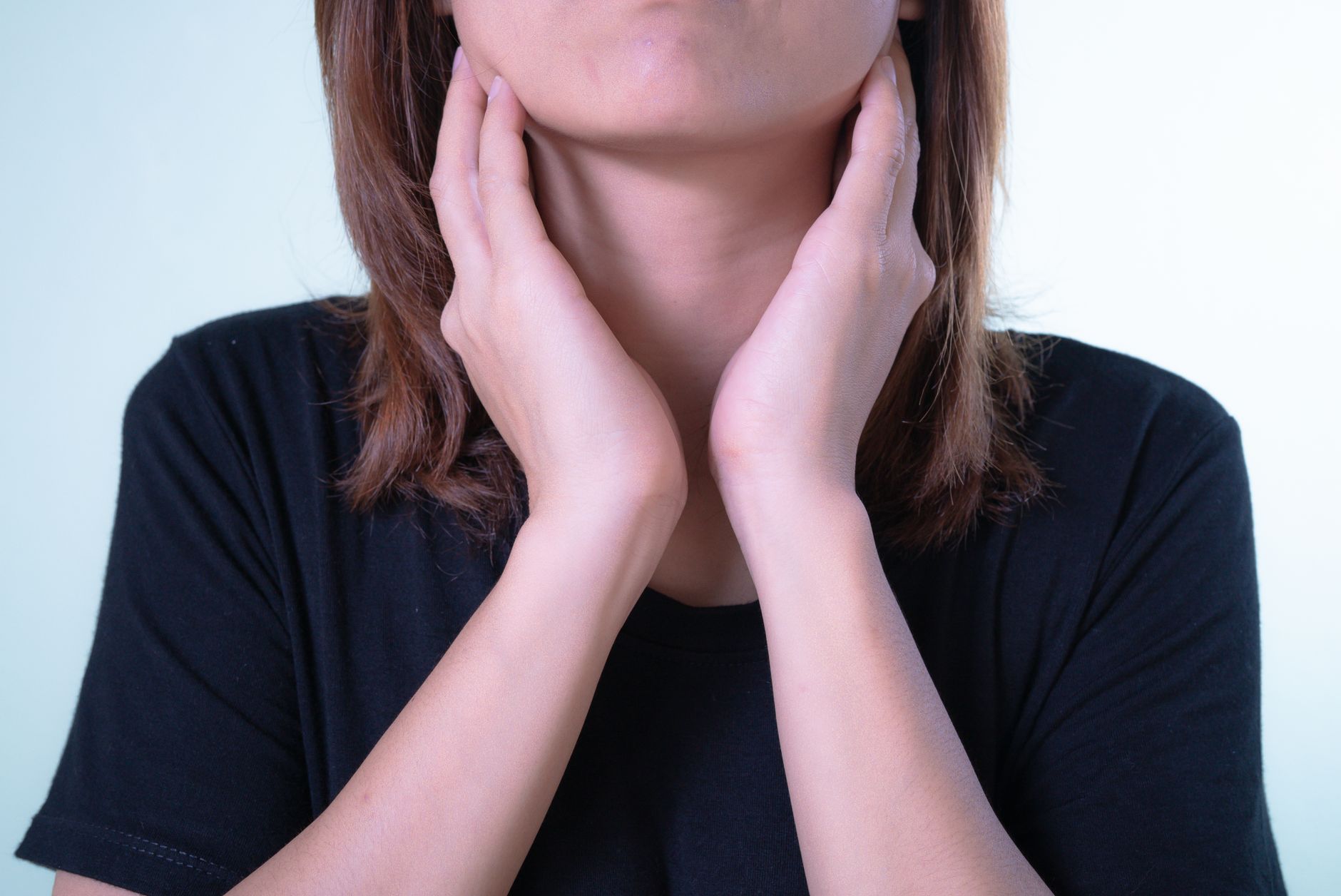
NAMMA NEWZ Health & Wellness | namnewz.com Thyroid Problems in Women – Symptoms You Must Never Ignore SEO Keyword: Thyroid symptoms women India Meta: Thyroid disorders affect 1 in 10 Indian women.
Here are the key symptoms of hypothyroidism and hyperthyroidism that Indian women should never ignore – and when to get tested.
The thyroid gland – a butterfly-shaped gland at the base of your neck – controls virtually every metabolic process in your body.
When it malfunctions, the effects are wide-ranging, often subtle, and easily attributed to stress, ageing, or lifestyle rather than a treatable medical condition.
India has one of the world's highest rates of thyroid disorders.
An estimated 42 million Indians live with thyroid disease, with women 5-10 times more likely to develop thyroid problems than men.
Yet many Indian women go years without diagnosis because the symptoms are so varied.
Two Types of Thyroid Problems Type What Happens Prevalence in India Hypothyroidism Thyroid produces too little hormone – body slows down Most common – affects 10-11% of Indian women Hyperthyroidism Thyroid produces too much hormone – body speeds up Less common – affects 1-2% of Indian women Hashimoto's Thyroiditis Autoimmune hypothyroidism – most common cause of hypo in India Up to 40% of hypothyroid cases Graves' Disease Autoimmune hyperthyroidism Most common cause of hyperthyroidism Hypothyroidism Symptoms – Never Ignore These 1.
Unexplained Weight Gain Despite no change in diet or exercise, you gain weight – particularly around the face, hands, and stomach.
The weight feels different from normal fat gain – puffy and fluid-like.
This occurs because low thyroid hormone slows metabolism and causes fluid retention.
If you have gained 3-5 kg without explanation, thyroid screening is warranted.
2.
Extreme Fatigue and Weakness Not normal tiredness – a profound, bone-deep exhaustion that sleep does not relieve.
Many hypothyroid women describe feeling as though they are 'wading through mud.' This fatigue is one of the most common and disabling hypothyroid symptoms and is frequently misdiagnosed as depression or anaemia.
3.
Cold Intolerance Feeling cold when others are comfortable – wearing sweaters in Chennai summer, perpetually cold hands and feet, needing extra blankets at night.
Low thyroid hormone reduces basal metabolic rate, reducing the body's heat production.
This symptom is highly specific to hypothyroidism in the context of Chennai's climate.
4.
Hair Loss and Brittle Nails Diffuse hair thinning across the scalp (not the pattern-specific loss of PCOS), loss of the outer third of the eyebrows, and brittle, ridged nails are classic hypothyroid signs.
Many Indian women attribute these to nutritional deficiency and treat with biotin supplements – without addressing the underlying thyroid issue.
5.
Brain Fog and Memory Problems Difficulty concentrating, forgetting words, struggling to complete familiar tasks, general mental slowness.
Thyroid hormone is essential for brain function, and even mild hypothyroidism can impair cognitive performance significantly.
This symptom often affects women's professional performance before a diagnosis is reached.
6.
Constipation and Digestive Slowdown Hypothyroidism slows gut motility – causing infrequent, difficult bowel movements even with adequate diet and hydration.
Many women with undiagnosed hypothyroidism spend years managing constipation symptoms without addressing the root cause.
7.
Heavy or Irregular Periods Low thyroid function disrupts the hypothalamic-pituitary-gonadal axis – the hormonal cascade governing menstruation.
Hypothyroid women commonly experience heavy, prolonged periods (menorrhagia) and irregular cycles.
Thyroid dysfunction is the second most common hormonal cause of menstrual irregularity after PCOS.
8.
Dry Skin and Swollen Face Thyroid hormone maintains skin moisture and turnover.
Hypothyroidism causes dry, thickened skin that does not respond to moisturiser, a puffy face (especially around the eyes – a sign called periorbital oedema), and swelling of the tongue causing speech changes.
Hyperthyroidism Symptoms – Also Critical to Recognise Symptom Description Unexplained weight loss Despite normal or increased appetite – metabolism is too fast Racing heart (palpitations) Heart beats fast even at rest – above 100 bpm resting Anxiety and tremors Feeling of nervousness, shaky hands, inability to relax Heat intolerance Feeling too hot when others are comfortable, excessive sweating Diarrhoea Frequent loose stools due to accelerated gut motility Eye bulging (exophthalmos) Characteristic of Graves' disease – eyes appear to protrude Irregular periods Light, infrequent periods unlike hypothyroid heavy periods Thyroid and Fertility – A Critical Connection Both hypothyroidism and hyperthyroidism affect fertility significantly: Hypothyroidism is one of the most common and treatable causes of infertility in Indian women Even subclinical hypothyroidism (mildly elevated TSH without symptoms) reduces IVF success rates Untreated thyroid disorders increase miscarriage risk by 2-3 fold TSH above 2.5 mIU/L is now the treatment target for women trying to conceive, compared to the standard range of up to 4.5 mIU/L Any woman trying to conceive should have a thyroid panel including TSH, Free T4, and anti-TPO antibodies checked before starting fertility treatment.
Thyroid Testing – What Tests to Ask For Test What It Measures Normal Range TSH (Thyroid Stimulating Hormone) Overall thyroid function – first-line screening test 0.4 – 4.5 mIU/L (2.5 or lower for fertility) Free T4 Active thyroid hormone – confirms hypothyroidism 0.8 – 1.8 ng/dL Free T3 Most active hormone – important for symptoms 2.3 – 4.2 pg/mL Anti-TPO Antibodies Hashimoto's autoimmune marker Below 35 IU/mL Anti-TG Antibodies Thyroid autoimmunity screening Below 115 IU/mL Who Should Get a Thyroid Test?
Any woman with unexplained fatigue, weight gain, hair loss, or menstrual irregularity Women trying to conceive or undergoing fertility treatment Pregnant women – thyroid disorders affect fetal brain development Women with a family history of thyroid disease or autoimmune conditions Women with PCOS – thyroid disorders co-occur with PCOS frequently All women above 35 – annual TSH screening is recommended Treatment Is Simple and Effective Hypothyroidism treatment is one of medicine's great success stories: a small daily tablet (levothyroxine/eltroxin) taken on empty stomach in the morning restores thyroid hormone levels to normal.
Most patients notice significant symptom improvement within 4-8 weeks.
The key is monitoring: TSH must be rechecked every 6-8 weeks initially and annually once stable.
Dose adjustment may be needed during pregnancy, and dose requirements can change over time.
The Bottom Line Thyroid disorders are extremely common, frequently misdiagnosed, and very treatable.
The tragedy is the years many Indian women spend attributing their symptoms to stress, ageing, or 'just the way they are' – when a simple blood test and inexpensive medication could transform their health.
If you recognise 3 or more symptoms from this list, ask your doctor for a thyroid panel today.
A TSH blood test costs Rs 150-400 at most diagnostic centres.
The information it provides could change your quality of life.
Disclaimer: This article is for informational purposes only.
Please consult a qualified doctor for diagnosis and treatment.
View on Amazon India →
* Affiliate link – we may earn a small commission at no extra cost to you
Frequently Asked Questions
What are the main symptoms of thyroid problems in Indian women?
Common symptoms include unexplained weight changes, fatigue, hair loss, mood changes, irregular periods, and sensitivity to temperature. Women may also experience brain fog, dry skin, and muscle weakness. These symptoms often develop gradually and are frequently mistaken for stress or aging.
At what age should Indian women get thyroid screening done?
Women should get baseline thyroid screening at age 35, then every 5 years. Earlier screening is recommended if experiencing symptoms, family history of thyroid disease, or after pregnancy. Post-menopausal women need regular monitoring as thyroid disorders increase with age.
Why are thyroid disorders more common in Indian women?
Indian women have higher thyroid disorder rates due to iodine deficiency in certain regions, genetic predisposition, autoimmune conditions like Hashimoto’s disease, and hormonal fluctuations during pregnancy and menopause. Environmental factors and nutritional deficiencies also contribute significantly.
What is the difference between hypothyroidism and hyperthyroidism symptoms?
Hypothyroidism causes fatigue, weight gain, cold sensitivity, and depression. Hyperthyroidism causes weight loss, anxiety, heat sensitivity, and rapid heartbeat. Women experiencing opposite symptoms should consult doctors for proper TSH and thyroid hormone testing to differentiate between conditions.