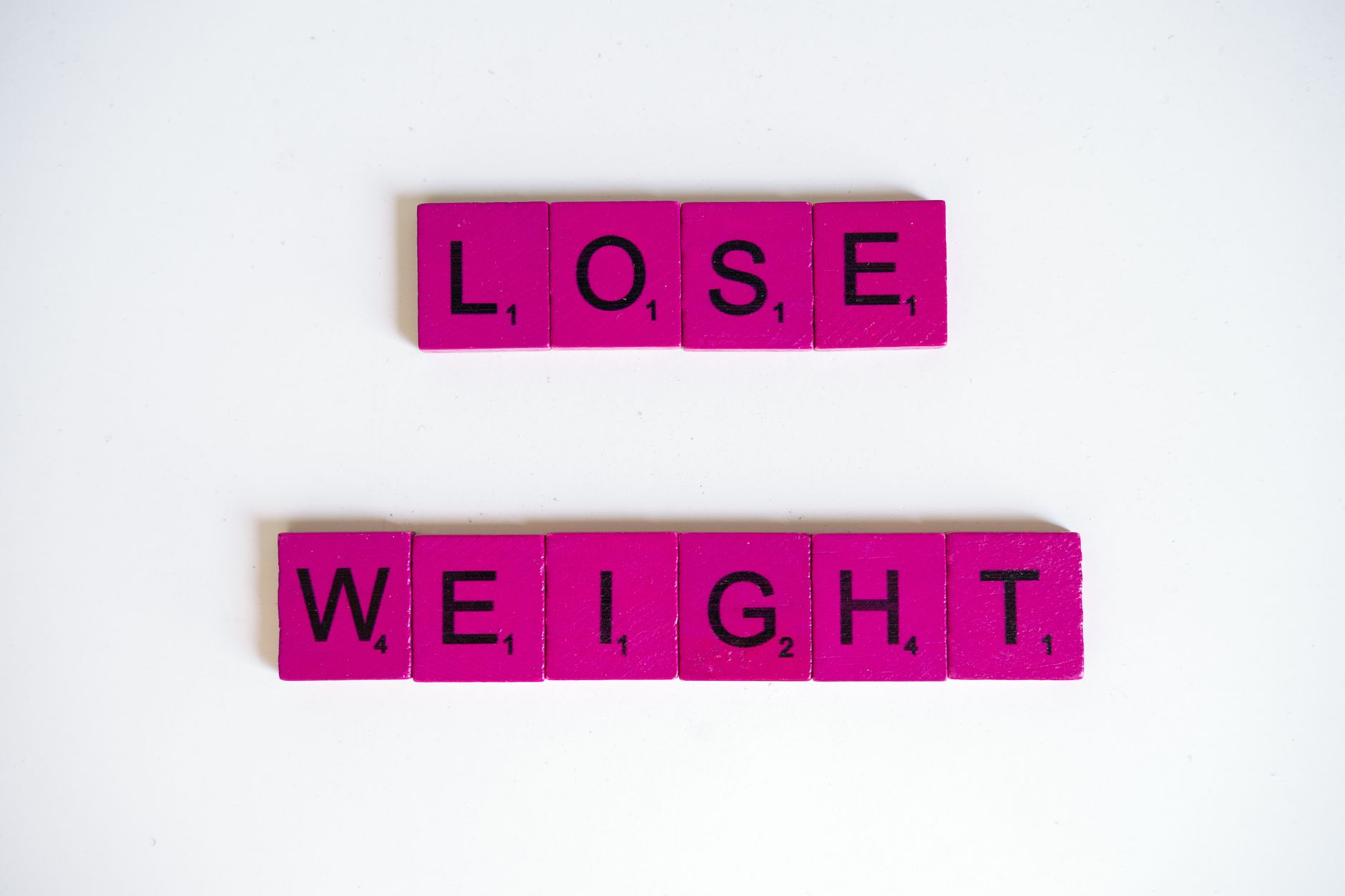
NAMMA NEWZ Health & Wellness | namnewz.com How to Lose Weight With PCOS – Indian Diet and Exercise Plan SEO Keyword: How to lose weight with PCOS Indian diet Meta: Losing weight with PCOS is difficult but possible.
Here is a complete Indian diet and exercise plan specifically designed for PCOS weight loss that works with your hormones.
If you have PCOS and have been trying to lose weight with a standard calorie-restriction diet, you already know: it does not work the way it should.
You eat less, exercise more, and the scale barely moves.
Meanwhile, your friends lose weight easily on the same diet.
This is not a willpower problem.
It is a hormonal and metabolic reality.
PCOS-related weight gain has specific mechanisms – and requires a specific solution.
This guide gives you that solution, designed around Indian foods and a realistic lifestyle.
Why Standard Diets Fail for PCOS Standard calorie-cutting diets fail for PCOS women because they do not address the root cause: insulin resistance.
When you cut calories without managing insulin, your body responds by increasing hunger hormones (ghrelin) and decreasing satiety hormones (leptin) – making you hungrier while burning fewer calories.
Additionally, the stress of severe calorie restriction elevates cortisol – which directly stimulates insulin secretion and abdominal fat storage in PCOS.
Severe restriction literally worsens the hormonal condition driving weight gain.
The PCOS Weight Loss Framework Principle Strategy Why It Works Fix Insulin Resistance Low-GI foods, smaller frequent meals Lowers insulin, reduces androgen Reduce Inflammation Anti-inflammatory spices, omega-3, avoid processed foods Less inflammation = better hormone signalling Support Metabolism Adequate protein, strength training Builds metabolically active muscle Manage Cortisol Sleep, stress management, no crash dieting Lower cortisol = less abdominal fat Support Gut Health Fermented foods, fibre, probiotics Gut microbiome affects weight and hormones The PCOS Weight Loss Diet – Indian Version What to Eat More Of Millets (ragi, bajra, jowar, thinai, varagu) – dramatically lower GI than rice, rich in minerals Non-starchy vegetables: fill half your plate at every meal Legumes and lentils: high protein, high fibre, low GI – perfect for insulin management Eggs (2 daily): protein and healthy fats that suppress hunger for hours Full-fat curd and buttermilk: probiotics + protein, more satiating than low-fat Fatty fish (2-3x weekly): omega-3 reduces inflammation, supports hormone balance Nuts (10-15 daily): healthy fats that reduce hunger without spiking insulin What to Reduce Significantly White rice: switch to brown rice or millets, limit to 1 cup maximum per meal Maida products: white bread, parotta, batura, naan – immediate insulin spike Sugary drinks: chai with 3 spoons sugar, packaged juices, cold drinks – liquid sugar is worst Deep-fried snacks: bhajji, vada, chips – inflammatory fats plus refined carbs Packaged 'diet' foods: usually high in refined carbs to compensate for reduced fat PCOS-Specific Meal Timing When you eat matters as much as what you eat for insulin management: Timing Strategy What to Do Benefit Eat breakfast within 1 hour of waking Never skip breakfast – protein-rich first meal Prevents cortisol spike, sets insulin tone for day Eat every 3-4 hours Small frequent meals, never go more than 5 hours without eating Prevents insulin crashes and compensatory spikes Largest meal at lunch Make lunch the biggest meal, dinner the smallest Aligns with insulin sensitivity patterns Stop eating 2-3 hours before bed Early dinner by 7:30-8 PM Improves overnight insulin sensitivity Intermittent fasting with caution 16:8 IF can help – but only if well tolerated Some PCOS women benefit; others see cortisol increase Exercise for PCOS Weight Loss – What Actually Works Strength Training (Most Important) Building muscle is the single most effective long-term strategy for PCOS weight loss.
Muscle is metabolically active – it burns calories at rest and acts as a glucose 'sink' that draws sugar out of the blood, reducing insulin demand.
3 days per week of compound strength movements (squats, lunges, pushups, rows) for 30-40 minutes transforms body composition and insulin sensitivity over 8-12 weeks.
Low-Intensity Steady State Cardio (Daily) 30-45 minutes of brisk walking daily is non-negotiable for PCOS.
Walking after meals specifically – even 10-15 minutes – significantly reduces post-meal glucose spikes and the corresponding insulin response.
Morning walk: reduces fasting cortisol, sets metabolic tone Post-lunch walk (10 min): shown to reduce post-meal glucose by 15-20% Evening walk: reduces end-of-day cortisol, improves sleep quality Yoga – The PCOS-Specific Exercise Yoga has specific evidence for PCOS: it reduces cortisol, improves insulin sensitivity, and supports adrenal function.
Key poses: Supta Baddha Konasana (Reclining bound angle): opens pelvic area, supports ovarian blood flow Viparita Karani (Legs up the wall): reduces stress hormones, supports endocrine balance Surya Namaskar (12 rounds daily): full-body, metabolically activating, suitable for all fitness levels Ustrasana (Camel pose): stimulates thyroid and adrenal glands Realistic Expectations for PCOS Weight Loss Timeline Realistic Expectation Week 1-2 Reduced bloating, 1-2 kg reduction (mostly inflammatory fluid) Month 1 1-2 kg genuine fat loss, improved energy, less cravings Month 2-3 3-5 kg total loss, noticeable body composition change, better cycle regularity Month 4-6 Significant improvement in symptoms, 5-10 kg total loss possible with consistency 1 year Transformed body composition, greatly improved PCOS management PCOS weight loss is slower than weight loss in women without PCOS.
Expect 0.5-1 kg per week at best with consistent effort – not the 1-2 kg per week sometimes achieved by women without hormonal disorders.
This is not failure – it is physiology.
The Role of Sleep in PCOS Weight Loss Sleep deprivation directly worsens insulin resistance and increases hunger hormones.
Many Chennai women are chronically sleep-deprived – late nights, early commutes, and stress disrupt the 7-8 hours PCOS management requires.
Prioritising 7.5-8 hours of quality sleep is not optional for PCOS weight loss – it is as important as diet and exercise.
Poor sleep can completely undermine excellent diet and exercise choices.
Supplements That May Help Inositol (Myo-inositol + D-chiro-inositol): Most evidence-backed supplement for PCOS – improves insulin signalling directly.
Available at Indian pharmacies and online.
Magnesium: Most PCOS women are deficient – supports insulin signalling, reduces cortisol, improves sleep quality Vitamin D: Deficiency worsens insulin resistance – supplement to 50-80 ng/mL Omega-3 (fish oil): 2-3g daily reduces PCOS-related inflammation Always consult your doctor before starting supplements, especially if taking medication.
The Bottom Line Losing weight with PCOS requires a fundamentally different approach than standard calorie restriction.
Address insulin resistance through low-GI Indian foods, build metabolically active muscle through strength training, manage cortisol through adequate sleep and stress management, and measure success in symptom improvement – not just scale weight.
5-10% weight loss in PCOS produces disproportionately large hormonal benefits – even a 5 kg reduction can restore ovulation in many women.
You do not need to reach your 'ideal weight' to see significant PCOS improvement.
Start today, stay consistent, and celebrate every victory along the way.
Disclaimer: This article is for informational purposes only.
Please consult a qualified doctor for diagnosis and treatment.
View on Amazon India →
* Affiliate link – we may earn a small commission at no extra cost to you
Frequently Asked Questions
Can you lose weight with PCOS in India?
Yes, PCOS weight loss is possible with a hormone-friendly Indian diet. Standard calorie restriction fails because PCOS causes insulin resistance. You need a specific approach addressing hormonal imbalance, not just calories.
What Indian foods should I eat for PCOS weight loss?
Focus on high-protein foods (dals, paneer, eggs), whole grains (brown rice, ragi), healthy fats (coconut oil, groundnuts), and vegetables. Avoid refined carbs, sugary items, and processed foods commonly consumed in Indian households.
How much exercise is needed for PCOS weight loss?
Combine 150 minutes weekly cardio with strength training 3-4 times weekly. Low-impact exercises like walking, swimming, or yoga work well for PCOS. Consistency matters more than intensity for hormonal regulation.