SpaceX Set to Surge Past $2 Trillion Valuation in Nasdaq Debut: What It Means for India’s Tech Dreams
In a development that’s sending ripples through Silicon Valley and beyond, SpaceX is preparing for what could be one of the most transformative initial public offerings (IPO) in tech history. The Elon Musk-led space exploration company is on track to hit a staggering $2 trillion valuation when it makes its debut on the Nasdaq exchange. For those following India’s technological ambitions, this moment carries more significance than it might initially appear.
The SpaceX IPO: A Historic Moment for Space Commerce
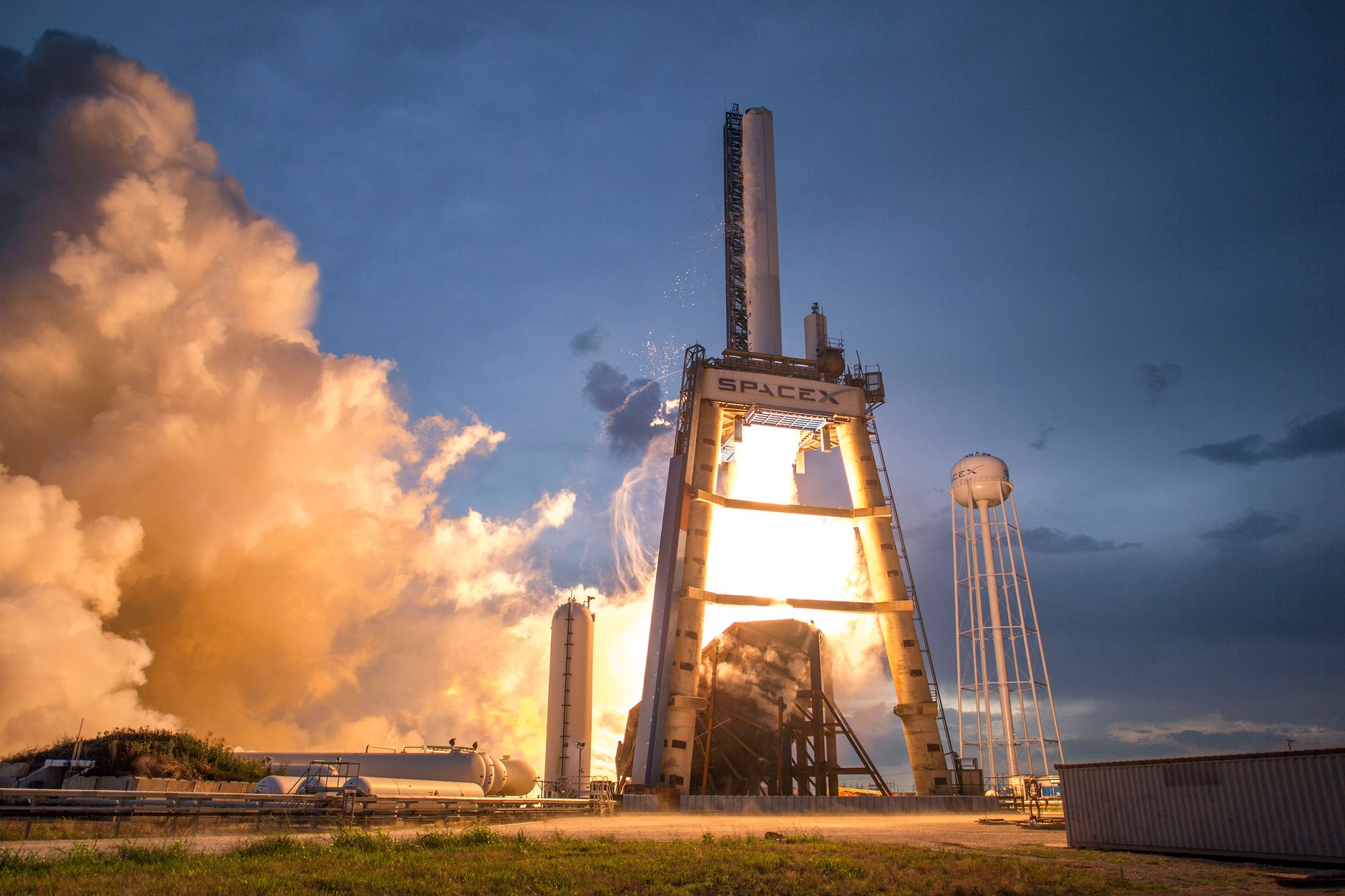
SpaceX’s journey from a scrappy startup in 2002 to a company valued at $2 trillion represents one of the most dramatic success stories in modern business. Founded by Elon Musk with the audacious goal of making humanity multiplanetary, SpaceX has fundamentally transformed the space industry. The company’s Falcon 9 rockets have become workhorses for commercial and government space missions, while Starship represents the next frontier in reusable spacecraft technology.
The Nasdaq listing will allow the public-including everyday investors in India-to own a piece of this space revolution. At $2 trillion, SpaceX would be valued higher than most nations’ GDPs and would rank among the world’s most valuable companies, comparable to tech giants like Apple and Microsoft. This isn’t just a financial milestone; it’s a validation that space exploration and satellite technology are now mainstream investment opportunities.
Why This Matters for India’s Space Ambitions
India has always possessed remarkable capabilities in space technology. The Indian Space Research Organisation (ISRO) has achieved remarkable feats-from the Mars Orbiter Mission to successful lunar landings. However, India’s space sector remains predominantly government-controlled. The SpaceX IPO signals a global shift toward commercial space ventures, something India’s policymakers and entrepreneurs are carefully watching.
The space economy is projected to exceed $1 trillion by 2040, with satellite communications, Earth observation, and space tourism driving growth. SpaceX’s valuation demonstrates investor confidence in these sectors. For Indian startups and entrepreneurs interested in satellite services, space logistics, or space-based internet connectivity, SpaceX’s public offering is a proof-of-concept that there’s serious money to be made.
India’s own space startup ecosystem-including companies like Skyroot Aerospace and Agnikul Cosmos-are developing launch vehicles and satellite technology. These companies will likely benefit from increased global investor attention and capital flowing into the space sector, inspired by SpaceX’s success.
Chennai and Tamil Nadu’s Aerospace Renaissance
Chennai, historically known as India’s Detroit for automobile manufacturing, is quietly becoming an aerospace hub. Several aerospace component manufacturers and space-tech startups are emerging in Tamil Nadu. The state’s skilled engineering workforce, manufacturing infrastructure, and proximity to port facilities make it ideal for aerospace ventures.
SpaceX’s IPO creates new opportunities for Tamil Nadu. Local manufacturers could become part of global aerospace supply chains. Engineering colleges across Chennai-from IIT Madras to Anna University-could produce talent specifically trained for space industry roles. The visibility of SpaceX’s success will likely attract investment and talent to the region’s emerging aerospace sector.
The Digital AI Connection: How AI Powers Modern Space Missions
SpaceX’s success is intertwined with artificial intelligence and digital technologies. Autonomous landing systems, predictive maintenance, satellite optimization, and mission planning all rely on cutting-edge AI algorithms. The company uses machine learning to optimize rocket performance and manage its growing Starlink satellite constellation.
This intersection of AI and space presents opportunities for Indian tech professionals. As the space economy grows, demand for AI engineers, data scientists, and software developers specializing in space applications will surge. Bangalore and Chennai could become major centers for space-AI development, creating high-value jobs in India’s digital economy.
Investment Opportunities for Indian Retail Investors
Once SpaceX goes public on Nasdaq, Indian investors with international brokerage accounts will be able to purchase shares directly. For those interested in space-tech exposure without direct stock ownership, mutual funds and ETFs tracking aerospace and technology sectors will provide accessible entry points.
However, SpaceX shares at $2 trillion valuation won’t be cheap. Investors should research thoroughly and consider this as part of a diversified portfolio. The space sector is volatile, and valuations can fluctuate significantly based on technological achievements and market sentiment.
What This Means for India’s Digital Economy
SpaceX’s IPO reinforces a crucial lesson: India’s future lies in deep-tech and science-based ventures, not just software services. While India excels in IT services, the real wealth creation happens in companies that build fundamental technologies-whether rockets, satellite systems, or AI platforms.
The Indian government’s push through ISRO, tech-friendly regulations for private space companies, and startup incentives suggest policymakers understand this shift. SpaceX’s $2 trillion valuation should inspire Indian entrepreneurs and investors to back moonshot ideas that solve real, hard problems.
Practical Advice for Indian Readers
For Investors: If you’re interested in space-sector exposure, consider opening an account with a broker offering international stock trading. Track SpaceX’s IPO details, but don’t rush in. Compare valuations with other space and satellite companies before investing.
For Job Seekers: Develop skills in AI, machine learning, aerospace engineering, and satellite technology. Companies servicing the space industry will increasingly look for Indian talent. Certifications in robotics, Python, and data science make you attractive to space-tech employers.
For Entrepreneurs: If you’re considering a space-tech venture, now is the ideal time. Investor appetite is strong, technology is accessible, and India’s regulatory environment is improving. Start by identifying a specific problem in the space supply chain or satellite services that you can solve.
SpaceX’s $2 trillion valuation isn’t just about one company going public-it’s a signal that humanity’s greatest ambitions can generate enormous economic value. India has the talent, infrastructure, and growing capital to participate meaningfully in this space economy revolution. The question isn’t whether India will engage with space commerce; it’s how quickly Indian innovators will seize this moment.