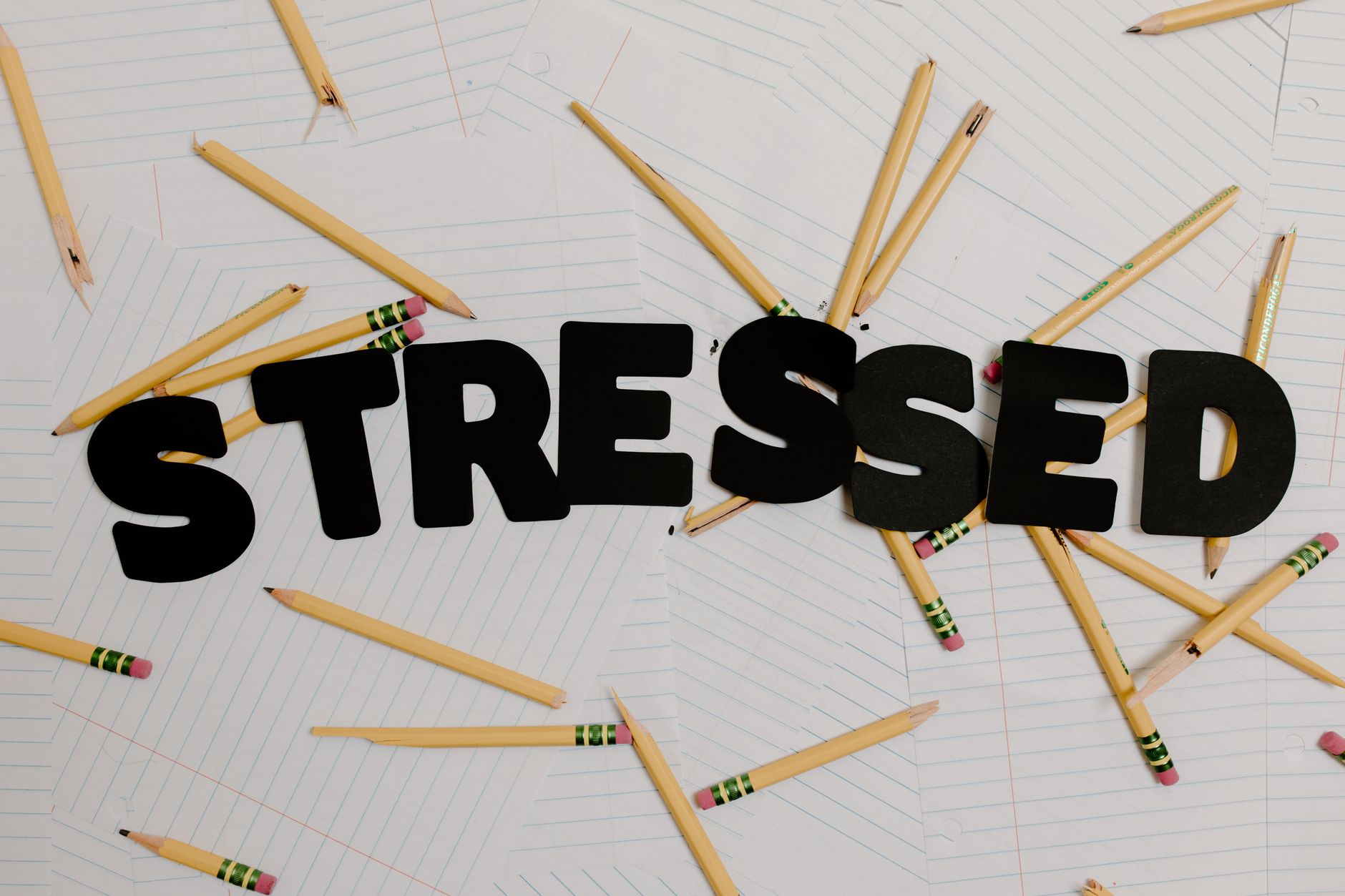
NAMMA NEWZ Health & Wellness | namnewz.com How Stress Is Destroying Your Fertility – And What to Do About It SEO Keyword: Stress and fertility India how to manage Meta: Chronic stress significantly reduces fertility in both men and women.
Here is how stress hormones affect egg quality, sperm, and IVF outcomes – and proven ways to manage it.
'Relax and it will happen.' Couples struggling with infertility hear this so often it becomes infuriating.
And yet – the relationship between stress and fertility is real, significant, and increasingly well-understood by reproductive science.
This article takes the science seriously.
Not to add to the burden of blame ('you're stressed, so it's your fault') but to give you actionable strategies to reduce a genuine physiological barrier to conception.
The Biology: How Stress Affects the Reproductive System Stress activates the hypothalamic-pituitary-adrenal (HPA) axis – the body's emergency response system.
Cortisol and adrenaline are released.
These hormones made evolutionary sense when stress meant running from a predator.
In modern India's context – fertility treatment, financial pressure, career demands, relationship stress – the HPA axis fires for months or years without resolution.
Stress Hormone Effect on Female Fertility Effect on Male Fertility Cortisol (elevated) Suppresses GnRH (the master reproductive hormone), reduces LH surge needed for ovulation Reduces testosterone, sperm count, and quality CRH (corticotropin-releasing hormone) Prevents implantation – uterine CRH elevation associated with early pregnancy loss Damages sperm DNA through oxidative stress Prolactin (stress-elevated) Suppresses ovulation, causes irregular cycles Reduces testosterone, impairs sperm maturation Adrenaline (epinephrine) Reduces blood flow to uterus and ovaries during acute stress Increases reactive oxygen species damaging sperm Evidence That Stress Affects IVF Outcomes The most compelling evidence comes from IVF research where all other variables are controlled: Women with higher cortisol levels on egg retrieval day have significantly lower fertilisation rates and poorer embryo quality Women with highest stress biomarkers have 20% lower IVF success rates than least-stressed women undergoing identical protocols Alpha-amylase (a salivary stress marker) levels in women starting IVF predict success rates independently of ovarian reserve or age Couples undergoing IVF with psychological support have 15-20% higher success rates in meta-analyses than those without The Stress-Infertility Cycle One of the cruellest aspects of fertility-related stress: infertility causes stress, and stress worsens infertility.
This creates a self-reinforcing cycle that intensifies with each failed attempt: Failed attempt ? grief, anxiety, fear of future failure ? elevated cortisol Elevated cortisol ? suppressed ovulation, reduced IVF success ? another failed attempt Repeated failures ? relationship strain, financial pressure, social isolation ? more stress Breaking this cycle requires intentional, consistent stress reduction practices – not willpower or positive thinking, but physiological interventions that measurably lower cortisol.
Proven Stress Reduction Strategies for Fertility 1.
Mindfulness-Based Stress Reduction (MBSR) MBSR – a structured 8-week programme combining meditation, body scan practices, and mindful movement – is the most evidence-based stress reduction approach in fertility research.
Studies specific to fertility patients show MBSR reduces cortisol, reduces anxiety and depression scores, and improves IVF outcomes.
Chennai options: Several mindfulness instructors and counsellors now offer MBSR programmes.
Online programmes are also available through platforms like Headspace and Calm.
2.
Yoga – The Fertility-Specific Evidence Yoga reduces cortisol, balances the HPA axis, improves parasympathetic tone, and specifically supports pelvic blood flow.
A 2018 randomised controlled trial of women undergoing IVF showed those who practised yoga during the stimulation phase had significantly lower anxiety and better embryo quality than controls.
Recommended: Restorative yoga (not vigorous vinyasa), 30-45 minutes daily.
Poses: Viparita Karani, Supta Baddha Konasana, Child's Pose, Nadi Shodhana pranayama.
3.
Cognitive Behavioural Therapy (CBT) CBT directly addresses the catastrophic thinking patterns common in infertility – 'This will never work,' 'Something is fundamentally wrong with me,' 'We will never have a family.' These thought patterns maintain cortisol elevation and contribute to depression.
A qualified CBT therapist experienced in fertility issues can significantly improve both psychological wellbeing and physiological stress markers in 8-12 sessions.
4.
Acupuncture Acupuncture has modest but consistent evidence for reducing cortisol and anxiety in fertility patients.
While not recommended as a fertility treatment in itself, it may reduce the psychological burden of IVF.
Several Chennai practitioners offer fertility-focused acupuncture protocols.
5.
Social Support and Connection Social isolation – common when going through infertility, due to stigma and the painful experience of attending pregnancies and baby showers – significantly worsens stress.
Research consistently shows that social support is one of the strongest buffers against the cortisol-elevating effects of stressors.
Online IVF communities in India have grown significantly – Facebook groups, Instagram communities, and WhatsApp support groups connect Indian couples navigating fertility treatment.
Connection with others who genuinely understand your experience reduces isolation and cortisol simultaneously.
6.
Exercise – The Right Amount Moderate exercise reduces cortisol and improves mood through endorphin release.
However, excessive exercise (marathon training, HIIT daily) elevates cortisol and can suppress ovulation.
The fertility exercise sweet spot: 30-45 minutes of moderate activity (brisk walking, swimming, cycling, yoga) 4-5 days per week.
The Role of the Relationship The infertility journey places enormous strain on partnerships.
Research shows that couples with higher relationship quality have better IVF outcomes than couples with high relationship conflict – likely through the cortisol-buffering effect of secure attachment.
Couples counselling during fertility treatment is not a sign of relationship failure – it is an investment in both relationship health and treatment success.
Several Chennai counsellors specialise in infertility and relationship support.
Practical Daily Stress Management Protocol Time Practice Duration Morning Nadi Shodhana pranayama + 5-10 minutes journaling 15 min Morning-afternoon Moderate exercise (walking, yoga, swimming) 30-45 min Work hours Mindful breaks – 5-minute breathing exercises every 2 hours 10 min total Evening Restorative yoga or gentle walk 20-30 min Before bed Gratitude journaling (3 things), device-free hour 30 min Weekly Connection time – supportive friend, partner, support group Variable The Bottom Line Stress is a real, physiologically significant barrier to fertility – not a myth or an excuse.
But stress management is also a genuine, actionable intervention that improves both wellbeing and fertility outcomes.
You cannot eliminate the stress of infertility.
But you can build a nervous system that responds to it more resiliently – through yoga, mindfulness, therapy, community, and movement.
These are not luxury practices for the already-relaxed.
They are medical interventions for the physiologically stressed.
Your nervous system health is part of your reproductive health.
Care for both.
Disclaimer: For informational purposes only.
Consult a qualified healthcare provider for medical advice.
View on Amazon India →
* Affiliate link – we may earn a small commission at no extra cost to you
Frequently Asked Questions
Does stress really affect fertility in India?
Yes, chronic stress significantly impacts fertility in both men and women. Stress hormones like cortisol reduce egg quality, sperm count, and reproductive hormone levels. Indian couples facing fertility challenges often experience added stress from family expectations.
How does stress affect IVF success rates?
High stress during IVF treatment reduces implantation rates and increases miscarriage risk. Studies show stress management techniques improve IVF outcomes by 20-30%. Couples managing stress have better hormone balance and reproductive results overall.
What are quick stress relief methods for fertility?
Effective methods include meditation, yoga, deep breathing exercises, regular exercise, and counseling. Tamil Nadu women find success with traditional practices like pranayama. Even 15-20 minutes daily of stress management improves fertility outcomes significantly.