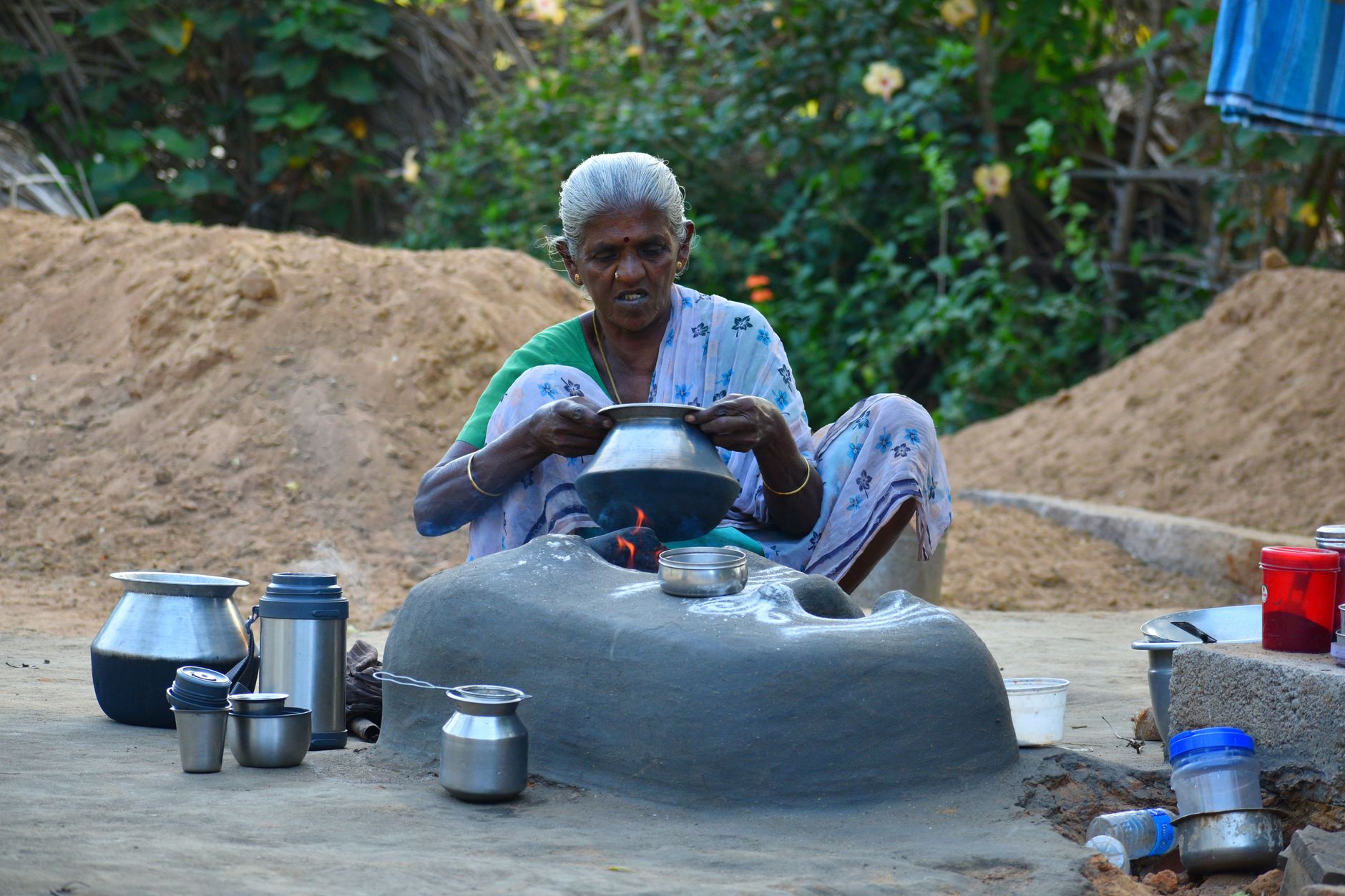
Madras High Court Urged to Intervene in Tamil Nadu Biogas Generation Scheme
A significant petition has been filed at the Madras High Court seeking intervention from the Tamil Nadu government to establish a comprehensive biogas generation scheme across the state. This development has sparked discussions among environmental advocates, rural communities, and urban residents alike about sustainable energy solutions for the region.
What Is the Biogas Generation Plea About?
The petition filed at Madras High Court calls for the state government to formulate and implement a dedicated scheme promoting biogas generation from agricultural waste, animal manure, and organic municipal waste. Biogas, a renewable energy source produced through the anaerobic decomposition of organic matter, presents an opportunity to address two critical issues simultaneously: waste management and energy generation.
The plea highlights that Tamil Nadu, as an agricultural state with significant livestock farming, generates enormous quantities of organic waste daily. This waste currently remains largely unutilized, contributing to environmental degradation while representing a missed opportunity for sustainable energy production. The petitioner argues that a structured government scheme could transform this waste into a valuable energy resource for rural and semi-urban communities.
Why This Matters for Tamil Nadu Residents
For Chennai and Tamil Nadu residents, the implications of biogas schemes extend beyond environmental consciousness. Here’s why this petition matters to ordinary people:
Rural Communities: Farmers and livestock owners could reduce dependency on expensive LPG cylinders by generating biogas from their own waste. A family-sized biogas plant can provide cooking fuel, reducing monthly energy expenses significantly. For villages surrounding Chennai, this translates to better quality of life and reduced household expenses.
Energy Security: Tamil Nadu faces periodic power challenges and electricity cost increases. Biogas generation offers distributed, decentralized energy production that can supplement conventional power sources. Urban residents in Chennai could benefit from lower electricity costs if municipalities adopt biogas plants for waste treatment and energy generation.
Waste Management Crisis: Landfills around Chennai and other major cities are overflowing. A biogas scheme would divert significant organic waste from landfills, reducing methane emissions (a potent greenhouse gas) and extending landfill lifespan. This directly impacts air quality and environmental health for urban residents.
Employment Generation: Implementation of such schemes typically creates job opportunities in installation, maintenance, and operation of biogas plants-beneficial for Tamil Nadu’s youth unemployment situation.
Current State of Renewable Energy in Tamil Nadu
Tamil Nadu already leads India in wind and solar energy generation, but biogas remains an underexploited resource. The state government has launched various agricultural schemes and renewable energy initiatives, yet a comprehensive biogas generation program remains absent. This gap is what the High Court petition aims to address.
The state’s agricultural sector produces substantial crop residue and animal waste annually. Without proper utilization mechanisms, this becomes a disposal problem rather than a resource. States like Karnataka and Madhya Pradesh have made progress with biogas schemes, making Tamil Nadu’s position even more critical.
Challenges in Implementation
Creating a statewide biogas scheme isn’t without challenges. Initial capital investment for biogas plants remains high, requiring government subsidies or soft loans. Technical expertise for installation and maintenance needs to be developed across rural Tamil Nadu. Additionally, coordination between various departments-agriculture, energy, urban development, and waste management-is essential for success.
Awareness among potential beneficiaries, particularly farmers and rural households, needs significant strengthening. Many don’t understand biogas benefits or how these systems work, requiring extensive outreach programs.
How Other States Are Leading
Several Indian states have successfully implemented biogas programs. Gujarat and Punjab offer subsidies for household biogas plants. States like Kerala and Himachal Pradesh integrate biogas schemes with their agricultural and waste management policies. These models provide templates that Tamil Nadu could adapt to its unique demographic and geographical context.
Expected Benefits for Chennai Urban Areas
For Chennai specifically, a biogas scheme could address specific urban challenges. Municipal solid waste management costs burden the city annually. Organic waste segregation and biogas generation could reduce this burden while creating decentralized energy. Residential complexes and commercial establishments could install smaller biogas units, reducing dependence on grid electricity during peak hours.
The biodegradable waste generated daily in Chennai-from food waste to garden cuttings-represents untapped energy potential. Current waste-to-energy initiatives focus primarily on incineration; biogas offers a cleaner, more sustainable alternative.
What the Government Could Do
A comprehensive Tamil Nadu biogas scheme could include:
– Subsidies or interest-free loans for rural households and farmers installing biogas plants
– Technical training programs for technicians and farmers
– Incentive structures for waste segregation and organic waste supply
– Integration with existing agricultural subsidy schemes
– Urban components for residential societies and commercial establishments
– Research partnerships with Tamil Nadu agricultural universities for innovation
Practical Advice for Tamil Nadu Residents
For Rural and Agricultural Communities: Begin exploring biogas possibilities for your farm or household. Various NGOs and agricultural departments offer demonstrations. Understand the economics-how much you can save monthly against initial investment. Connect with existing biogas users to understand real-world experiences.
For Urban Residents: Support sustainable waste management in your residential communities. If your apartment complex manages organic waste separately, advocate for biogas generation possibilities. Reduce food and garden waste through composting and segregation practices.
For All Citizens: Monitor the Madras High Court proceedings on this petition. Write to your elected representatives expressing support for biogas schemes. Awareness and public pressure often accelerate government action on environmental and energy issues.
Consider exploring resources on renewable energy: View biogas and renewable energy resources on Amazon India
Conclusion
The Madras High Court petition represents an important moment for Tamil Nadu’s sustainable energy future. Whether you’re a farmer in Villupuram, a Chennai resident, or simply concerned about environmental sustainability, biogas generation schemes offer tangible benefits. This isn’t merely about energy-it’s about waste reduction, rural income improvement, urban environmental health, and Tamil Nadu’s progression toward genuine sustainability.
As the High Court considers this plea, Tamil Nadu stands at a crossroads. The state that pioneered wind energy generation can lead India in biogas utilization too. That potential begins with awareness and support from informed citizens like you.