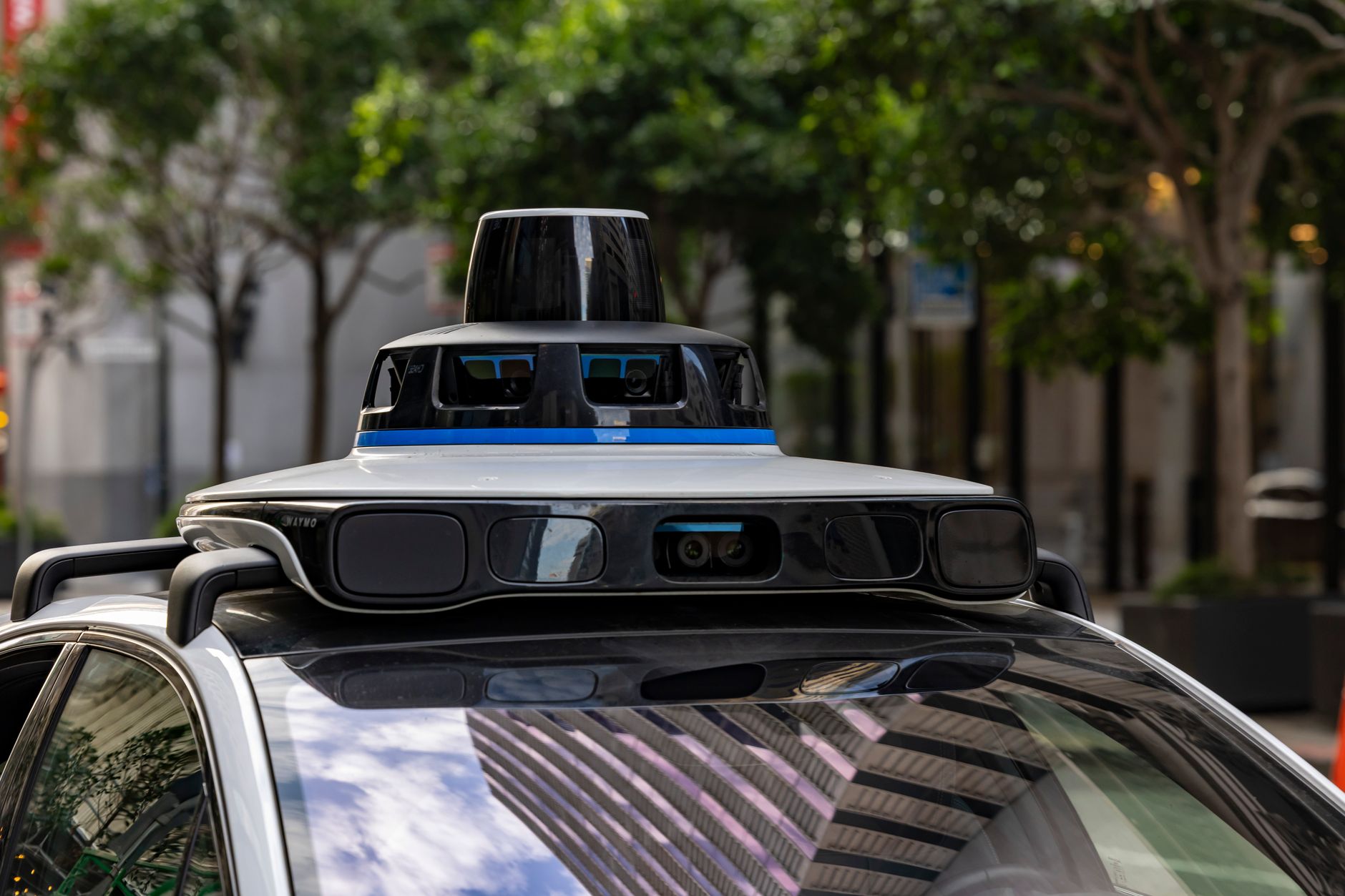
Baidu and PostBus Get Regulatory Nod for Robotaxi Service in Eastern Switzerland: A Game-Changer for Global AI
In a significant milestone for autonomous vehicle technology, Chinese tech giant Baidu and Swiss mobility company PostBus have received regulatory approval to operate robotaxi services in eastern Switzerland. This historic approval marks a turning point in how self-driving vehicles are being legitimized across different regulatory environments-and it carries important lessons for India’s rapidly growing AI and autonomous transport sector.
What Exactly Happened in Switzerland?
The Swiss authorities have granted Baidu and PostBus permission to launch commercial robotaxi operations in the Appenzell Ausserrhoden region of eastern Switzerland. This isn’t just another tech pilot-it’s a full regulatory green light for autonomous ride-hailing services that will operate on public roads with paying customers. The partnership combines Baidu’s world-class autonomous driving technology with PostBus’s deep expertise in Swiss transportation networks and regulatory compliance.
Baidu, China’s leading AI company, has been developing autonomous vehicle technology for over a decade. Their Apollo platform is one of the most advanced autonomous driving systems globally. PostBus, a major mobility provider in Switzerland, brings local knowledge and operational excellence to the table. Together, they’ve convinced Swiss regulators that their robotaxi service is safe, reliable, and ready for real-world deployment.
Why This Matters for India and Indian Tech Enthusiasts
If you’re following India’s digital transformation journey, you should care about this Switzerland approval for several compelling reasons:
First, regulatory precedent: As India develops its own autonomous vehicle regulations, Switzerland’s approach provides a valuable template. The Swiss approval shows that rigorous testing, transparent safety protocols, and strong partnerships between tech companies and local operators can convince even the world’s most stringent regulatory bodies. India’s Ministry of Road Transport and the Society of Indian Automobile Manufacturers (SIAM) are watching global developments like this closely.
Second, the AI race: This approval reinforces that Chinese AI companies like Baidu are ahead in the autonomous vehicle game. For India, which aspires to become a global AI hub, this serves as both inspiration and motivation. Indian startups and established companies need to accelerate their autonomous driving research to compete on the global stage.
Third, talent and investment: When foreign regulators approve new technologies, investment flows in. This Switzerland deal will likely attract more venture capital and talent to the autonomous vehicle sector globally, which could benefit Indian engineers and entrepreneurs working in AI and mobility.
The Tamil Nadu and Chennai Connection
While this approval happened in Switzerland, it’s worth noting that India’s automotive heartland-particularly Tamil Nadu and Chennai-stands to benefit significantly from advances in autonomous vehicle technology.
Tamil Nadu is already a major hub for automobile manufacturing, with companies like Hyundai, BMW, and several Tier-1 suppliers operating from the state. The region produces components and complete vehicles for both domestic and export markets. As autonomous vehicle technology becomes mainstream globally, Tamil Nadu’s manufacturing ecosystem will be crucial for producing the hardware, sensors, and software systems needed for India’s autonomous vehicles.
Additionally, Chennai’s growing IT services sector-home to TCS, Infosys, Wipro, and countless AI startups-positions the city as a natural hub for developing autonomous vehicle software. Engineers in Chennai could soon be building the algorithms that power robotaxis across India and Southeast Asia.
The approval also signals opportunities for Indian logistics and ride-sharing companies. Companies like Ola and Uber, both headquartered in India, will need to develop their own autonomous capabilities or partner with global leaders. This regulatory approval from Switzerland demonstrates that it’s not impossible-just requires the right combination of technology, safety protocols, and regulatory partnership.
What Makes This Regulatory Approval Significant?
Switzerland isn’t a country known for being lenient with regulations. Their approval of Baidu and PostBus’s robotaxi service means several important things have been verified:
- Safety standards: The vehicles have proven they can operate safely on public roads with minimal human intervention
- Insurance and liability frameworks: Clear responsibility protocols are in place for accidents or malfunctions
- Data privacy compliance: The system meets strict European data protection standards
- Integration with local systems: The robotaxis can safely interact with existing traffic, pedestrians, and infrastructure
These criteria are exactly what Indian regulators will eventually need to verify before approving robotaxi services in cities like Delhi, Mumbai, Bangalore, and yes-Chennai.
What About Autonomous Vehicles in India Right Now?
India’s autonomous vehicle sector is still in development. The government has conducted trials of autonomous vehicles in limited areas, and companies like Mobileye (Intel’s autonomous driving unit) have tested vehicles on Indian roads. However, India hasn’t yet granted commercial approval for robotaxi services the way Switzerland just has.
The regulatory framework in India is being shaped by guidelines from the Ministry of Road Transport and Highway. The approval in Switzerland provides valuable data about what works-and what regulators will demand from autonomous vehicle operators before granting permission.
Practical Advice for Indian Readers and Tech Professionals
For tech professionals: If you’re interested in autonomous vehicles, AI, or robotics, this is the time to upgrade your skills. Learning about machine learning, computer vision, sensor technology, and autonomous system design will make you highly valuable in India’s future mobility sector. Platforms offering courses in these areas are worth exploring.
For business leaders: Watch how Baidu and PostBus structure their partnership and regulatory compliance. These lessons are transferable. If you’re in mobility, logistics, or automotive sectors, understanding the regulatory pathway to autonomous vehicles in India will be crucial for your company’s future strategy.
For everyday readers: Robotaxis are coming to India-probably within the next 5-10 years. Understanding how this technology works, its safety considerations, and how other countries are regulating it will help you make informed decisions when these services launch in your city.
The Switzerland approval isn’t just a story about Chinese technology or Swiss regulation-it’s a signal that the autonomous vehicle future is genuinely close, and India needs to prepare now.