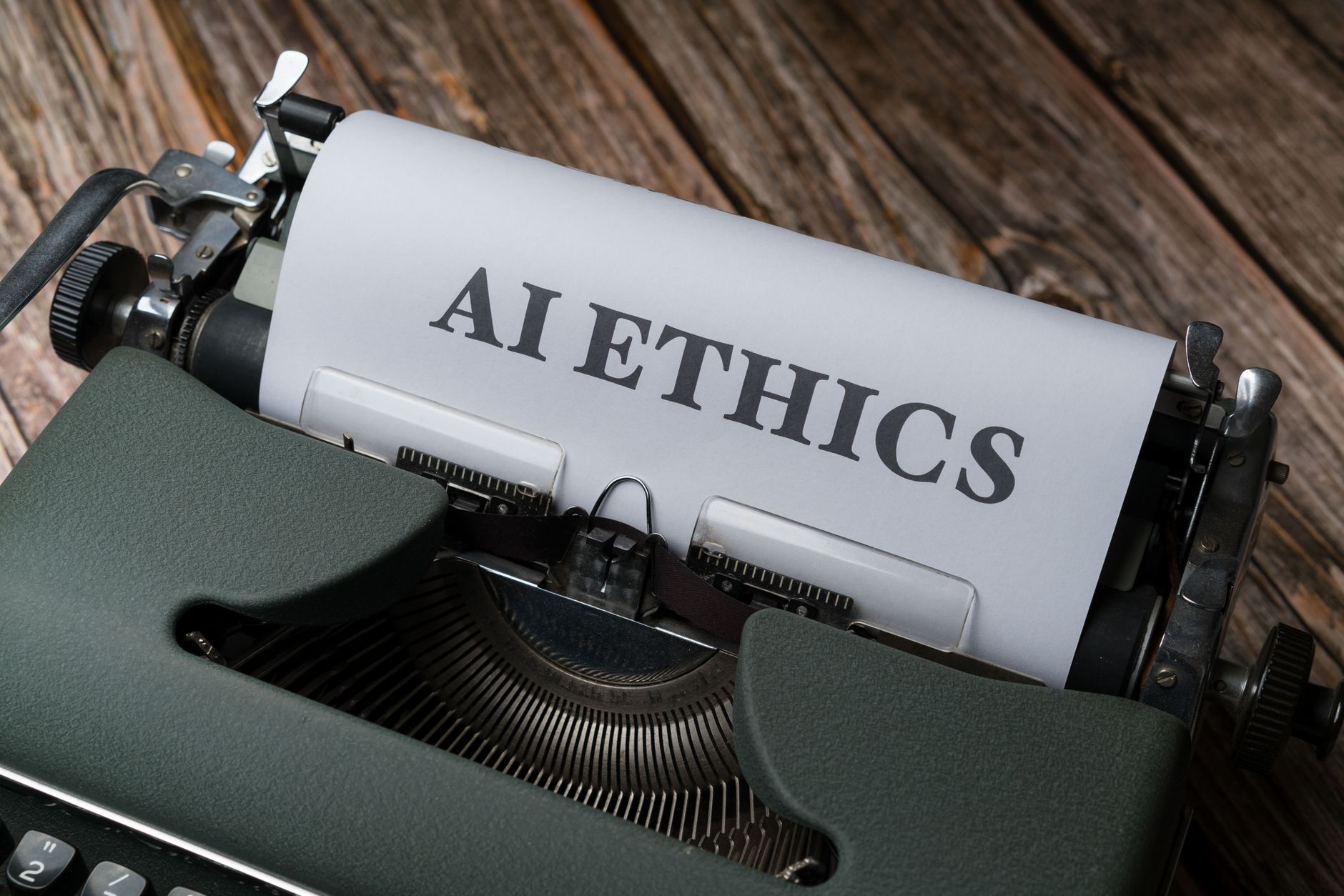
AI World Vastly Different from IT Act Era, Believes New Law is Needed: Union Minister Vaishnaw
The world of artificial intelligence has moved so far beyond what India’s current Information Technology Act was designed to handle that entirely new legislation will be necessary, according to Union Minister Ashwini Vaishnaw. This statement marks a significant moment in India’s approach to regulating one of the most transformative technologies of our time.
If you’re an Indian tech professional, startup founder, or simply someone concerned about how AI impacts your daily life, this development deserves your attention. Here’s what Vaishnaw’s comments mean and why they matter to you.
What Did Minister Vaishnaw Say?
Union Minister Ashwini Vaishnaw recently expressed his belief that the current IT Act, passed in 2000, is fundamentally inadequate for governing artificial intelligence. The minister emphasized that the rapid evolution of AI technology has created scenarios and challenges that lawmakers from two decades ago simply couldn’t have anticipated.
“The IT Act was designed for a different era,” Vaishnaw indicated, suggesting that patchwork amendments won’t suffice. Instead, he believes India needs comprehensive, purpose-built legislation specifically addressing AI’s unique challenges and opportunities.
This isn’t just bureaucratic talk-it reflects a growing global consensus that AI requires its own regulatory framework. Countries worldwide are scrambling to create AI-specific laws as the technology reshapes everything from hiring to healthcare.
Why the IT Act Isn’t Enough for AI
The Information Technology Act, 2000 was revolutionary for its time. It addressed cybercrime, digital signatures, and data protection-all cutting-edge concerns in the early 2000s. But AI presents fundamentally different challenges.
Consider these issues the old law doesn’t adequately address:
- Algorithmic bias and discrimination: When an AI system unfairly targets certain communities, who’s responsible?
- Deepfakes and synthetic media: How do we regulate technology that can create convincing fake videos?
- Autonomous decision-making: What happens when AI makes critical decisions about loans, jobs, or legal cases?
- Data privacy at scale: AI requires massive datasets-how do we protect personal information?
- Job displacement: How should society handle AI-driven automation?
- Liability questions: When AI causes harm, who bears responsibility-the developer, deployer, or user?
The IT Act simply wasn’t designed to handle these nuanced, interconnected challenges.
What This Means for Tamil Nadu’s Tech Industry
Chennai and Tamil Nadu have emerged as major players in India’s AI ecosystem. With companies like TCS, Infosys, and numerous AI startups headquartered or operating significantly in the state, new AI regulations could reshape the region’s tech landscape.
New AI legislation could:
- Create clearer compliance requirements for Tamil Nadu-based tech companies developing AI solutions
- Establish Chennai as a center for responsible AI innovation
- Generate new job opportunities in AI ethics, compliance, and governance
- Attract international companies looking for regulatory certainty
- Potentially increase operational costs initially, but provide long-term stability
For Chennai’s thriving startup ecosystem, the new framework could be either a hurdle or a launching pad-depending on how well-designed the regulations are.
The Global Context: What Other Countries Are Doing
India isn’t alone in recognizing this gap. The European Union has already passed the AI Act, establishing risk-based regulations for different types of AI systems. The United States is developing sector-specific AI guidelines. China has created rules for generative AI. Singapore and the UAE are also crafting AI-specific frameworks.
By acknowledging the need for new legislation now, India is positioning itself to learn from global experiences and create regulations that balance innovation with protection.
What Could India’s New AI Law Look Like?
While details are still emerging, experts anticipate India’s AI legislation might address:
- Transparency requirements: Companies must disclose when AI is being used and how
- Bias audits: Regular testing to ensure AI systems don’t discriminate
- Data governance: Stricter rules around data collection and usage for AI training
- Accountability frameworks: Clear responsibility chains when AI causes harm
- Human oversight: Requirements for human review in high-stakes decisions
- Skill development: Support for Indians to learn AI ethics and governance
What Should Indians Do Now?
For Tech Professionals: Start understanding AI ethics, bias mitigation, and regulatory compliance. These will become valuable skills. Consider exploring courses on responsible AI development.
For Startups and Businesses: If you’re developing or using AI, begin documenting your practices. Ensure you can explain your AI systems’ decision-making processes. This won’t just help with future compliance-it’s good business practice.
For Consumers: Stay informed about how AI affects you. When using apps or services, understand that new regulations will soon govern how your data is used in AI systems. Your privacy protections will likely improve.
For Policymakers and Interested Citizens: Engage with public consultations when they come. India’s policy-making process works best when diverse voices contribute. Chennai’s tech community, in particular, should make their voices heard.
For Students: Consider focusing on emerging fields like AI ethics, responsible AI development, and AI governance. These will be career-defining fields in the next decade.
The Bottom Line
Minister Vaishnaw’s statement signals that India is taking AI regulation seriously. Rather than trying to fit a 21st-century technology into a 20th-century law, the government is recognizing that thoughtful, purpose-built legislation is necessary.
This is actually good news. While new regulations may create short-term compliance challenges, they provide long-term stability, protect citizens, and position India as a responsible player in global AI development.
For those in Tamil Nadu’s tech sector, this is your opportunity to shape how India’s AI future unfolds. The conversation is just beginning, and your voice matters.