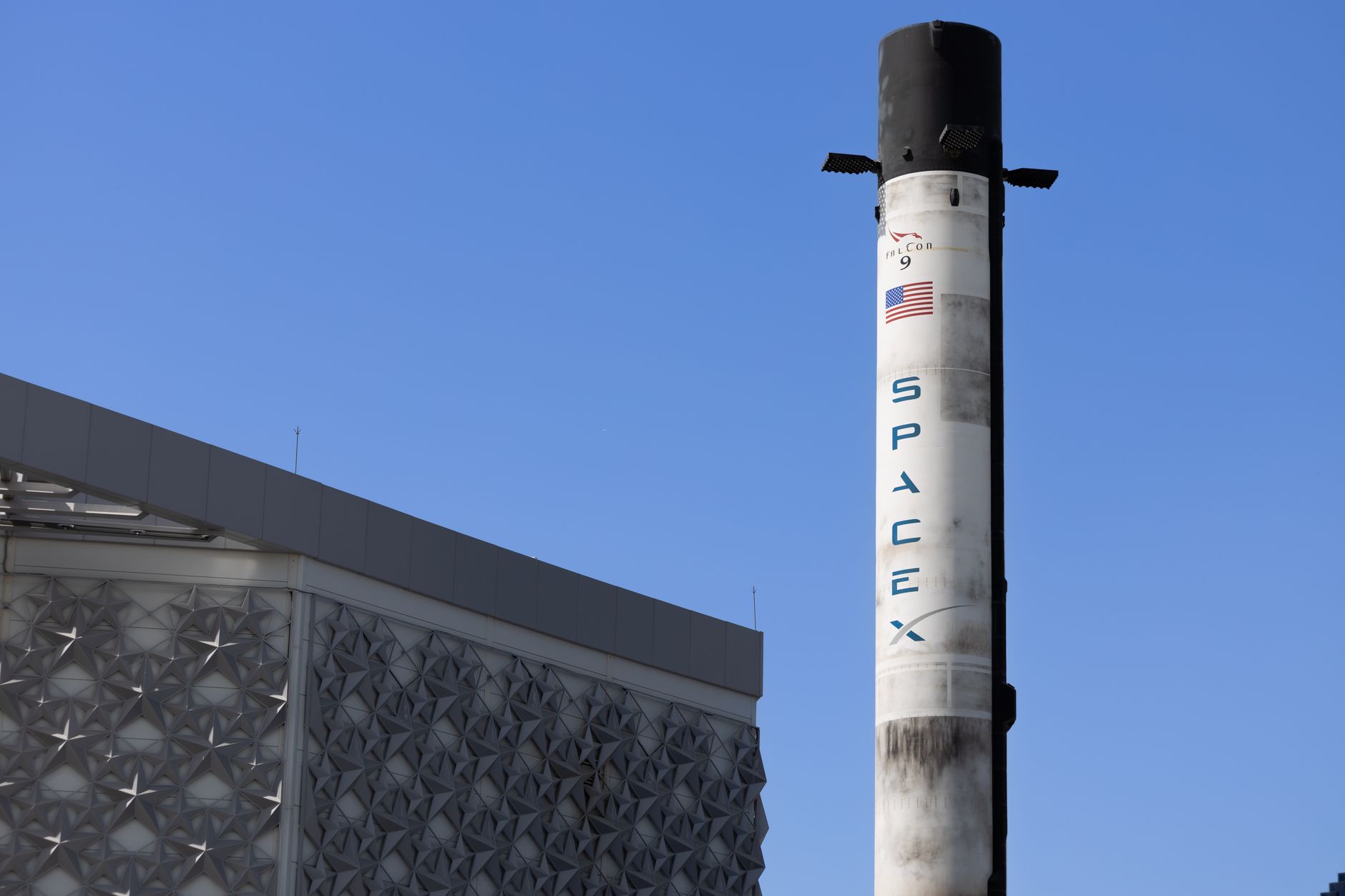
How Musk’s Tactics Left Investors Clamoring for SpaceX Stock and Ignoring Risks
The SpaceX phenomenon has reached Indian shores with an intensity that rivals the monsoon rains over Chennai. While Elon Musk’s space venture continues to dominate global headlines, savvy Indian investors-particularly from Tamil Nadu’s burgeoning tech ecosystem-are increasingly interested in understanding this private aerospace company’s valuation story. The recent funding rounds and secondary market activities have left many wondering: why is everyone suddenly interested in SpaceX stock, and more importantly, what risks are being overlooked?
The SpaceX Marketing Machine: Musk’s Masterclass in Investor Psychology
Elon Musk has mastered a business strategy that traditional Indian corporate leaders are only beginning to understand. Rather than quietly building SpaceX’s infrastructure, Musk has made the company’s achievements spectacularly visible. From the viral Starship launch videos to promises of Mars colonization, every SpaceX milestone becomes cultural currency.
This approach triggers what behavioral economists call “fear of missing out” or FOMO. When investors see SpaceX’s Starlink satellites providing internet to rural areas globally, or hear promises of point-to-point Earth transportation, they see not just a company-they see the future itself. In India, where digital infrastructure remains a critical challenge, this narrative particularly resonates with investors in Bangalore, Hyderabad, and increasingly in Chennai’s growing VC ecosystem.
The secondary market for SpaceX shares has heated up dramatically. Investment firms and high-net-worth individuals (HNIs) who missed the primary funding rounds are now chasing shares at astronomical valuations. This desperation to participate in “the next big thing” often blinds investors to fundamental risks.
Tamil Nadu’s Tech Community and the Space Investment Boom
Chennai and surrounding Tamil Nadu cities have emerged as unexpected centers for aerospace and space tech interest. With institutions like Anna University driving engineering talent and companies like Axiom Space exploring commercial space stations, the region’s tech professionals understand space technology better than most Indian metros.
This knowledge, however, can be deceptive. Understanding SpaceX’s technology doesn’t automatically translate to understanding its investment risks. Several Chennai-based AI and software engineers have become SpaceX shareholders through secondary market purchases, often guided more by Musk’s narrative than by rigorous financial analysis.
The opportunity lies in leveraging Tamil Nadu’s existing aerospace interests-the state has potential to develop indigenous space tech capabilities, independent of SpaceX involvement. Yet the investor stampede toward SpaceX shares might actually divert attention from more achievable local opportunities in satellite manufacturing and launch services.
The Hidden Risks Everyone’s Overlooking
SpaceX’s valuation-last reported at over $180 billion-rests heavily on speculative future revenues. Here’s what investors entranced by Musk’s vision often ignore:
Regulatory Uncertainty: SpaceX operates in a heavily regulated space (pun intended). Government approval for new launch systems, orbital slots, and frequency allocations can be unpredictable. A change in US space policy could dramatically impact valuations. For Indian investors, this means you’re betting on American regulatory benevolence.
Starlink’s Profitability Question: While Starlink generates impressive revenue numbers, profitability remains elusive. The satellite internet business requires continuous capital investment for constellation maintenance and expansion. Musk’s promises of Mars missions compete for resources with Starlink’s operational needs.
Founder Dependency Risk: SpaceX is inextricably linked to Elon Musk. His attention is increasingly divided among Tesla, xAI, and other ventures. Any health issue, legal entanglement, or business failure at another Musk company could materially impact SpaceX’s trajectory.
Competition Emerging: Blue Origin, Relativity Space, Axiom Space, and emerging Indian companies like Skyroot Aerospace are advancing rapidly. SpaceX’s early-mover advantage isn’t permanent. The space economy is becoming crowded.
Why Indian Investors Remain Undeterred
Despite these risks, Indian capital keeps flowing toward SpaceX secondary shares. The reasons are psychological as much as financial. In a market where traditional IPOs offer modest returns, the narrative of investing in humanity’s space future carries emotional appeal.
Additionally, FOMO among Indian investor communities-particularly among NRIs and diaspora wealth-creates self-reinforcing demand cycles. When your Chennai neighbor mentions they invested in SpaceX, suddenly everyone wants to participate.
What This Means for Digital and AI Investors
The SpaceX saga offers crucial lessons for India’s digital and AI investment community. Transformative technology narratives can drive valuations to stratospheric levels (literally, in this case) disconnected from near-term profitability. This same pattern repeats in AI startups, quantum computing ventures, and other cutting-edge fields.
The discipline required is to separate technological innovation from investment merit. Just because SpaceX is building incredible rockets doesn’t automatically make it a great investment at current valuations for retail investors with 5-10 year horizons.
Practical Advice for Indian Investors
Verify Before You Invest: If pursuing SpaceX secondary shares, work only through verified investment platforms. Countless fraudulent SpaceX investment schemes target Indian investors.
Understand What You Own: SpaceX remains a private company. You won’t have quarterly reports, regulatory filings, or transparent financial disclosures. You’re investing on faith and narrative, not hard data.
Consider Alternatives: Public space-related companies and satellite communication stocks offer more transparency. Indian companies like ISRO-affiliated enterprises provide exposure to space economics with regulatory clarity.
Diversify Narrative Risk: If you believe in space technology’s future, diversify across multiple space economy players rather than concentrating in SpaceX.
Question the FOMO: The best investment is one you’d make the same decision on whether or not your neighbor knew about it. If your SpaceX investment choice changes based on social proof, it’s not a disciplined investment-it’s speculation.
Elon Musk’s SpaceX is undoubtedly building the future of space commerce. But for Indian investors seeking to participate, the challenge remains: distinguishing between a great company and a great investment at a reasonable price. Right now, SpaceX may be the former while remaining uncertain as the latter.