NGT Orders Urgent Action to Curb Sewage Pollution in Korattur, Madambakkam Lakes
The National Green Tribunal (NGT) has issued a critical directive to address the severe sewage pollution plaguing two of Chennai’s most important water bodies-Korattur Lake and Madambakkam Lake. This landmark order comes as a significant step toward environmental restoration in Tamil Nadu’s capital city, signaling that authorities can no longer ignore the deteriorating water quality affecting thousands of residents.
What is the NGT Order About?
The National Green Tribunal, India’s specialized environmental court, has mandated urgent corrective measures to stop the continuous flow of untreated sewage into Korattur and Madambakkam lakes. The order requires immediate action from the Chennai Metropolitan Water Supply and Sewerage Board (CMWSSB) and other relevant authorities to implement pollution control measures within a specified timeframe.
The directive specifically addresses the deteriorating condition of these lakes, which have become repositories of untreated municipal waste and sewage over the years. The NGT’s intervention represents a turning point in Chennai’s struggle against water pollution, particularly concerning these two lakes that serve ecological and recreational purposes for the city’s residents.
Why Are These Lakes Important to Chennai?
Korattur Lake and Madambakkam Lake are not merely bodies of water-they’re integral to Chennai’s ecological balance and the livelihoods of surrounding communities. These lakes historically served as natural water storage systems, recharging groundwater and supporting local agriculture and fisheries. Many families in the Korattur and surrounding neighborhoods depend on these lakes for fishing and water-related activities.
Beyond economics, these water bodies maintain the region’s biodiversity. They support migratory birds, aquatic life, and flora that have adapted to freshwater ecosystems. The pollution crisis has endangered these species and disrupted the natural balance that residents have relied upon for generations.
For Chennai residents, clean lakes represent not just environmental health but also heritage and identity. These water bodies have been mentioned in ancient Tamil literature and have cultural significance in local communities.
The Sewage Pollution Crisis
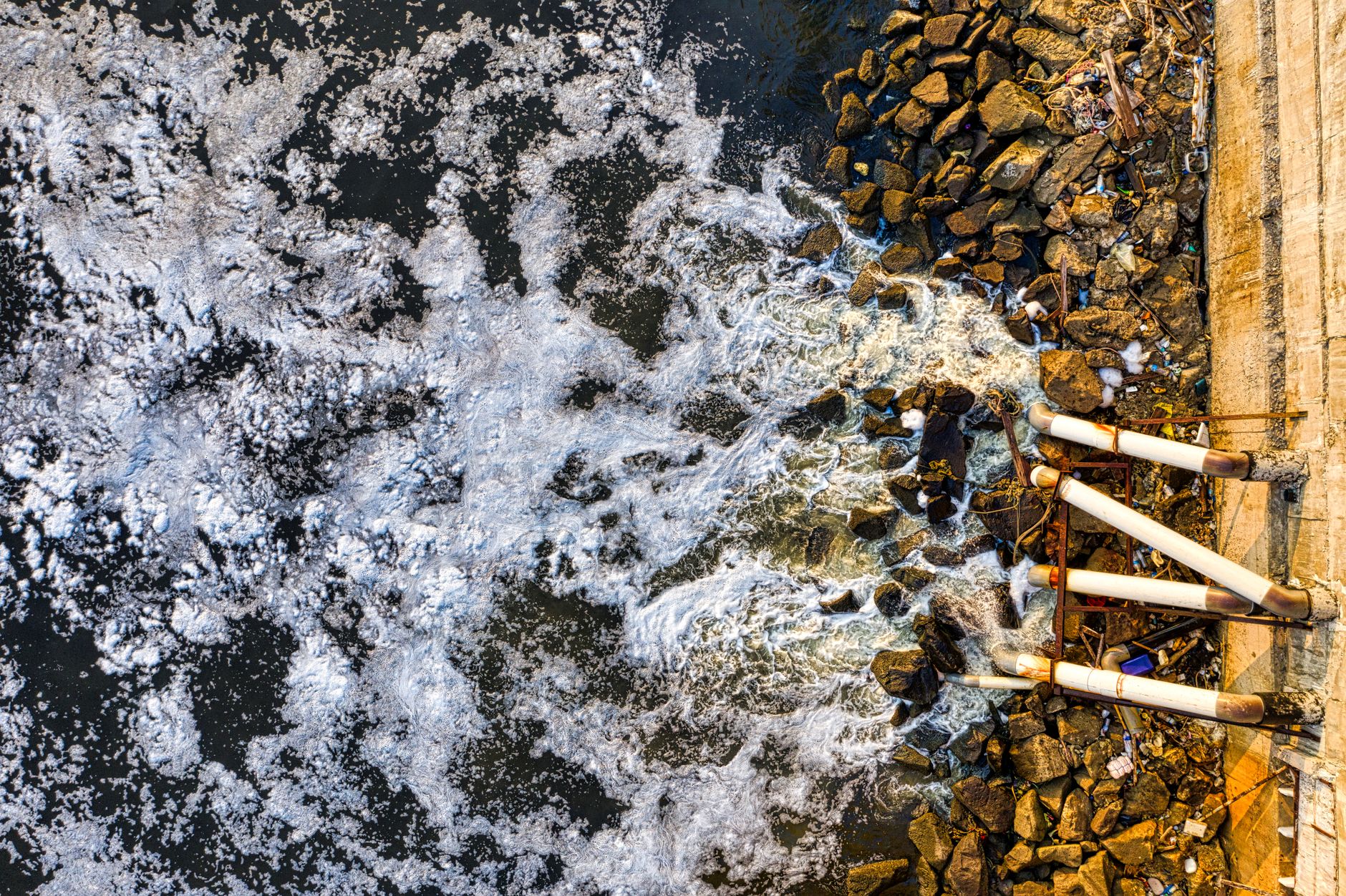
The severity of pollution in both lakes cannot be overstated. Over the past decade, rapid urbanization and inadequate sewage management infrastructure have resulted in massive amounts of untreated wastewater flowing directly into these lakes. Raw sewage, household waste, and industrial effluents have transformed the water from clear to murky and foul-smelling.
This pollution poses serious health risks to the surrounding population. Contaminated water can spread waterborne diseases like typhoid, cholera, and various gastrointestinal infections. Communities living near these lakes face increased vulnerability to water-related health issues, particularly affecting children and elderly residents.
The water quality has deteriorated to levels that make the lakes unsafe for bathing, fishing, or any human contact. Aquatic life has been decimated, and the ecological services these lakes once provided have been severely compromised.
What Changes Will the NGT Order Bring?
The NGT’s directive encompasses several critical actions:
Sewage Diversion: The order mandates the construction or activation of sewage treatment facilities to intercept wastewater before it reaches the lakes. This includes setting up proper drainage systems to divert untreated sewage away from these water bodies.
Treatment Infrastructure: Authorities must establish or upgrade sewage treatment plants (STPs) capable of handling the volume of wastewater generated by residential and commercial areas surrounding the lakes.
Regular Monitoring: The order requires continuous water quality monitoring to ensure compliance and track improvements in pollution levels.
Restoration Projects: Beyond pollution control, the NGT has indicated that restoration of the lakes’ ecological health should be prioritized, including efforts to rejuvenate aquatic life and improve overall water quality.
Implications for Tamil Nadu and Indian Environmental Law
This NGT order is significant beyond Chennai’s boundaries. It reinforces India’s commitment to environmental protection and demonstrates that the National Green Tribunal can enforce accountability even against large municipal corporations. For Tamil Nadu, it sets a precedent that water bodies cannot be treated as dumping grounds for urban waste.
The directive also highlights the urgency of infrastructure development in Indian cities. As urban populations grow, municipalities must invest proportionally in sewage treatment capacity. Chennai’s experience serves as a cautionary tale for other rapidly developing Indian cities.
How This Affects You as a Resident
If you live in or near Korattur, Madambakkam, or surrounding areas, this NGT order offers hope for improved environmental conditions. Cleaner lakes mean better groundwater quality, reduced disease risk, and improved air quality. The restoration of these water bodies could eventually revive local fishing communities and create recreational spaces for residents.
For Chennai residents more broadly, this action signals that environmental advocacy works. Public pressure and legal interventions can force authorities to act responsibly.
What Can Residents Do?
Monitor Progress: Stay informed about implementation timelines. Request public updates on sewage diversion and treatment plant construction from CMWSSB.
Report Violations: If you notice sewage flowing into lakes or dumping activities, report them to the Tamil Nadu Pollution Control Board or local civic authorities.
Reduce Personal Waste: Minimize your household sewage by using water efficiently and avoiding dumping non-biodegradable waste into drainage systems.
Support Environmental Groups: Participate in or support NGOs working on lake restoration and pollution control initiatives.
Educate Your Community: Spread awareness about the importance of clean water bodies and responsible waste management among your neighbors and social circles.
The NGT’s order is a victory for environmental justice in Chennai. Now, the real test lies in implementation-ensuring that authorities follow through on their mandates and restore these vital lakes to health. As residents, staying vigilant and engaged is crucial to making this environmental restoration a reality.