Elon Musk Becomes World’s First Trillionaire: What This Historic Moment Means for Indians
In a groundbreaking moment for global wealth history, Elon Musk briefly crossed the one trillion dollar net worth threshold following SpaceX’s premium debut announcement. While this milestone was fleeting, it represents a watershed moment in understanding how extreme wealth concentration works in the modern era-and what it means for Indian investors, entrepreneurs, and tech enthusiasts.
What Exactly Happened?
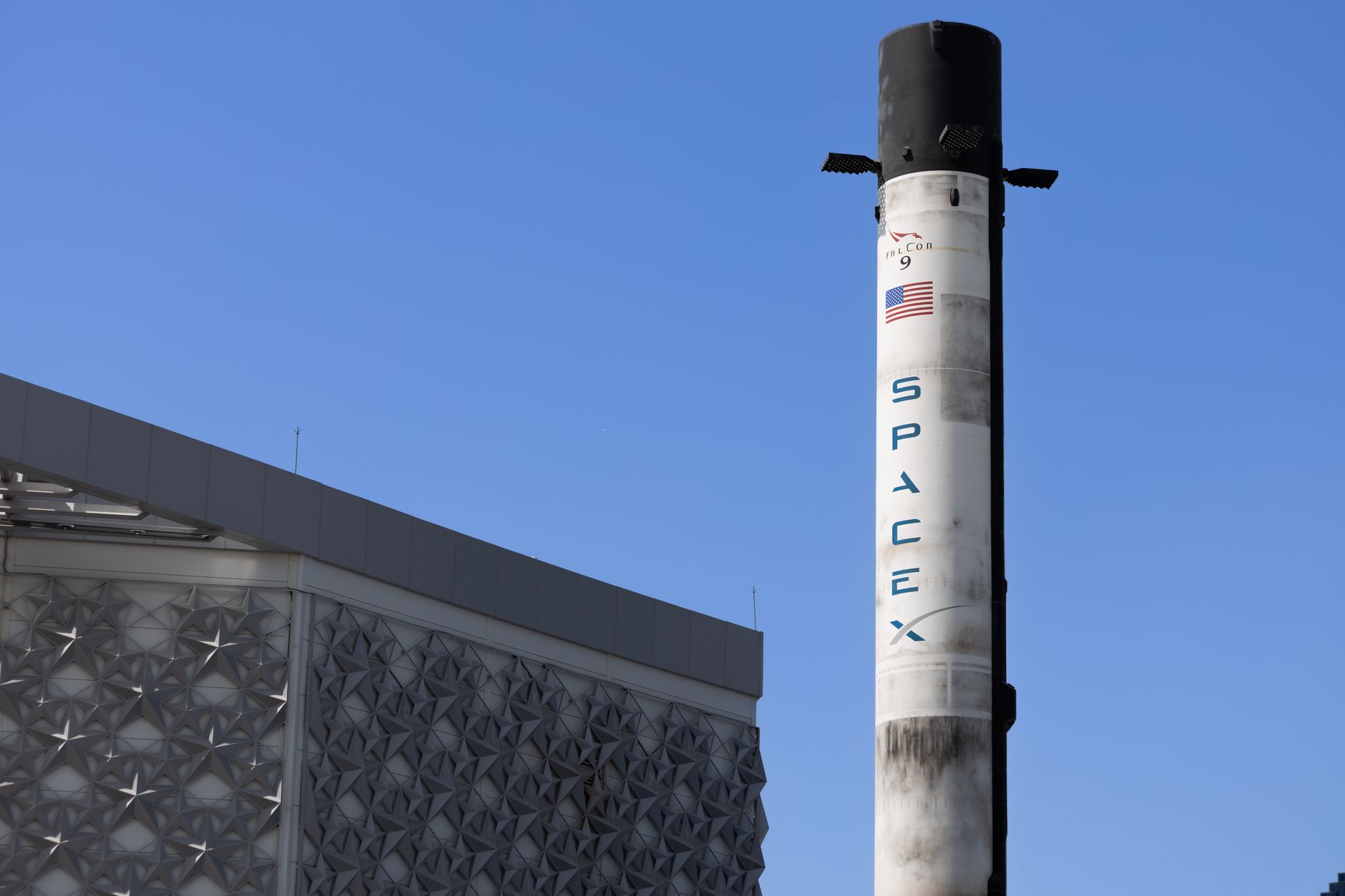
SpaceX, the aerospace company founded by Elon Musk in 2002, announced a premium share offering that significantly increased the company’s valuation. This spike in SpaceX’s worth, combined with Musk’s substantial ownership stakes in Tesla and other ventures, momentarily pushed his net worth beyond the $1 trillion mark. Though the milestone proved temporary-fluctuating with market conditions and stock prices-it still represents an unprecedented achievement in modern financial history.
For context, becoming a trillionaire means accumulating wealth equivalent to the GDP of entire nations. To put this in perspective, India’s nominal GDP stands around $3.7 trillion, making a single individual’s net worth approaching a third of India’s entire economic output a genuinely mind-boggling figure.
How Did We Get Here? Understanding Exponential Wealth Growth
The path to becoming a trillionaire isn’t simply about earning income over time-it’s about exponential asset appreciation. When Musk founded SpaceX in 2002, it was valued at just a fraction of what it’s worth today. Similarly, Tesla was a struggling startup when he joined as chairman in 2004, eventually becoming the world’s most valuable automaker.
The mathematics of wealth accumulation works like this: if you own a significant percentage of companies that appreciate substantially, your net worth doesn’t grow linearly-it grows exponentially. SpaceX’s recent private valuations have soared, with some estimates suggesting the company could be worth over $200 billion. Musk’s ownership stake in SpaceX alone represents hundreds of billions of dollars.
Why This Matters to Indian Readers and Investors
You might wonder: what’s the relevance of one billionaire’s wealth milestone to Indians? Actually, quite a lot. This achievement reflects several important trends affecting Indian investors and entrepreneurs:
First, the power of early-stage investing: Those who invested in Tesla or SpaceX during their nascent stages saw astronomical returns. Indian venture capitalists and angel investors are increasingly learning these lessons, investing in Indian startups in sectors like space technology, electric vehicles, and renewable energy.
Second, the importance of long-term vision: Musk maintained control of his companies through multiple market downturns and challenges. Indian entrepreneurs, particularly in tech and manufacturing sectors, can learn that sustained innovation matters more than quarterly earnings.
Third, the growing interconnection between global markets: SpaceX’s valuation surge impacts global investment sentiment, which influences Indian stock markets, startup valuations, and foreign direct investment flows into India.
The Chennai and Tamil Nadu Angle
Tamil Nadu has emerged as a significant hub for space technology and advanced manufacturing in India. The state hosts several ISRO facilities and has been developing its aerospace sector aggressively. As SpaceX valuations soar, Indian companies in Chennai and across Tamil Nadu are receiving increased attention from investors seeking exposure to the space economy.
Several Chennai-based engineering firms and startups are supplying components for Indian space missions and, increasingly, for commercial space ventures. The success of SpaceX demonstrates the enormous commercial potential of space technology-a sector where Tamil Nadu-based companies are positioning themselves.
Additionally, Thiruvananthapuram-based startups and Kerala’s tech ecosystem, along with Bengaluru’s dominance, now have a clearer roadmap for how space-based businesses can achieve trillion-dollar valuations. Chennai’s manufacturing prowess could position it as a major hub for space hardware production if policy support continues.
The Broader Implications: Is This Wealth Concentration Good or Bad?
Musk’s trillionaire status raises important questions about wealth inequality. While his entrepreneurial achievements are genuine, such extreme wealth concentration is economically possible only through a combination of innovation, market conditions, and ownership structures that allow for massive asset appreciation.
In India, where wealth inequality remains a significant social concern, this milestone sparks important conversations about taxation, regulation, and whether extreme wealth concentration serves society’s interests. The Indian government continues balancing startup-friendly policies with wealth redistribution through GST, income tax, and corporate regulations.
What Can Indian Entrepreneurs Learn?
Several lessons emerge from Musk’s journey to trillionaire status:
Think big from day one: SpaceX’s original mission-making humanity multiplanetary-seemed audacious and impossible. Yet it attracted talent and investment precisely because of this ambitious vision.
Reinvest profits into growth: Musk consistently reinvests company profits rather than taking massive dividends, allowing exponential wealth growth through appreciation rather than income.
Own significant equity stakes: Maintaining control and ownership is crucial. Musk owns roughly 10% of Tesla and significant portions of SpaceX-not through salary but through equity.
Practical Advice for Indian Readers and Investors
For aspiring entrepreneurs: Focus on solving genuine problems rather than quick profits. Build companies you believe can genuinely transform industries, and maintain significant ownership stakes.
For investors: Don’t dismiss startups with audacious goals. The highest returns historically come from companies that seemed impossible initially. Consider allocating a portion of your portfolio to emerging sectors like space technology, deep tech, and frontier technologies where Indian startups are increasingly competitive.
For professionals: Joining high-growth companies early, even with lower initial salaries, can yield significant wealth through equity appreciation. The Indian startup ecosystem now offers these opportunities comparable to global standards.
For everyone: Understand how wealth is created in the modern economy. It’s rarely through salary-it’s through owning appreciating assets. Whether that’s equity in companies, real estate, or intellectual property, building wealth requires strategic asset ownership over time.
The Bottom Line
Elon Musk’s brief stint as the world’s first trillionaire isn’t just a trivia fact-it’s a masterclass in modern wealth creation. For Indians navigating an increasingly complex global economy, the lesson is clear: the future belongs to those who identify transformative opportunities early and have the courage to pursue them relentlessly. Whether through entrepreneurship, strategic investing, or joining high-growth ventures, the pathways to significant wealth remain open to those willing to think differently and act boldly.