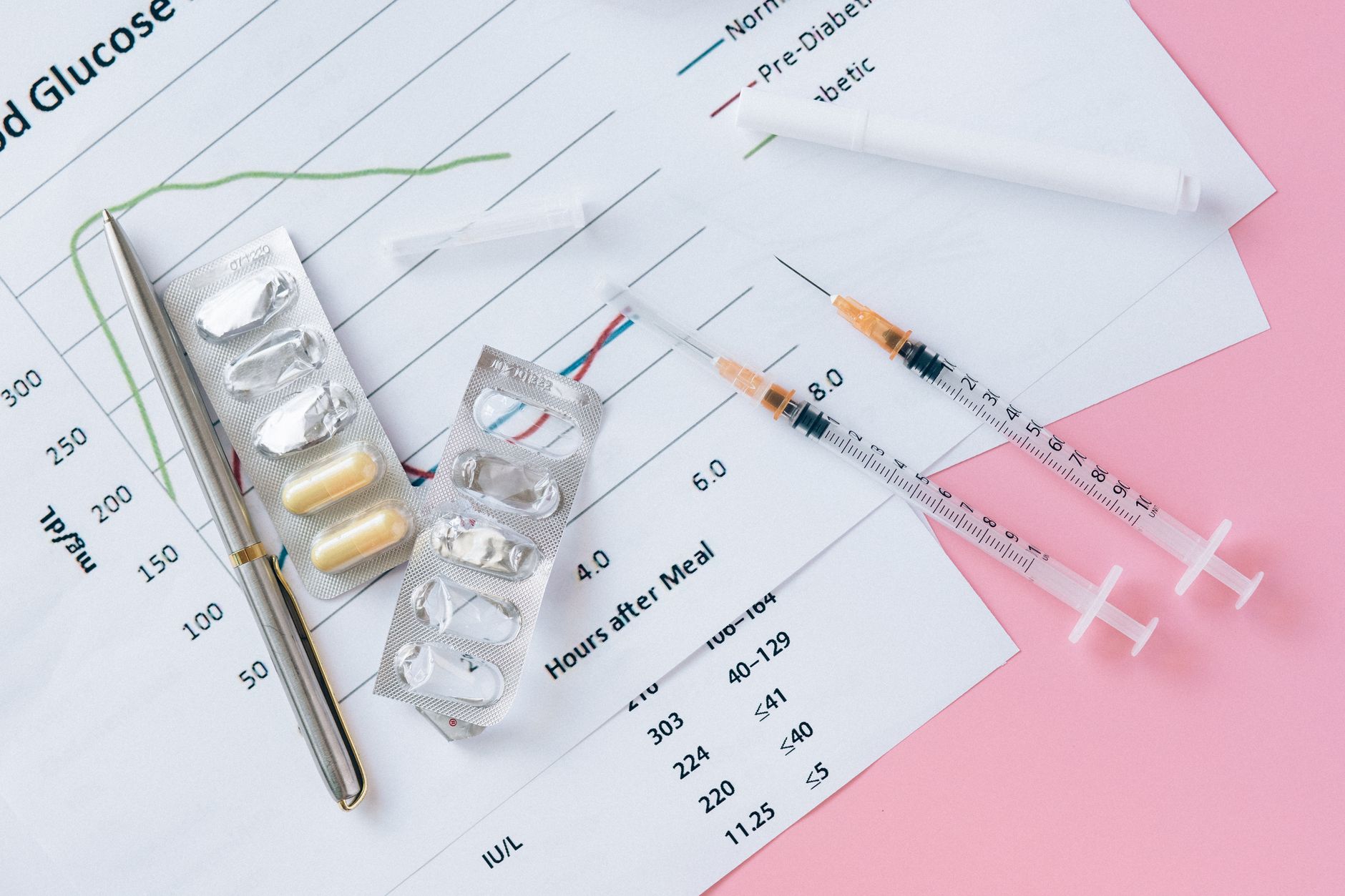
70 Million Diabetics in India by 2015: A Health Crisis Study Reveals
India is facing a silent epidemic that’s quietly reshaping the health landscape of our nation. A recent comprehensive study has sounded the alarm: by 2015, India could have up to 70 million people living with diabetes. If you’re reading this from Chennai, Tamil Nadu, or anywhere across India, this news should concern you deeply. This isn’t just another health statistic-it’s a wake-up call for every Indian family.
Understanding the Diabetes Crisis in India
Diabetes, often called the “silent killer,” is no longer a disease of the wealthy or elderly alone. The study indicates that India’s diabetes burden is growing at an alarming rate, making our country the diabetes capital of the world. What makes this particularly troubling is that many Indians don’t even know they have the condition until serious complications develop.
The projected figure of 70 million diabetics represents a staggering increase from previous decades. To put this in perspective, if this projection holds true, India would have more diabetics than the entire population of many countries. This isn’t just a health issue-it’s an economic and social crisis waiting to happen.
Why Is India Particularly Vulnerable?
Several factors contribute to the rapid spread of diabetes across India. Our rapidly urbanizing lifestyle has transformed how we eat, work, and exercise. The traditional Indian diet, once abundant in fiber and whole grains, has increasingly been replaced by processed foods and refined carbohydrates. Office jobs, vehicle dependency, and reduced physical activity have created the perfect storm for metabolic diseases.
Genetic predisposition also plays a significant role. Research suggests that Indians have a higher genetic risk for developing diabetes compared to other populations. This means even those who maintain a seemingly healthy lifestyle can develop the condition more easily than their counterparts in other countries.
Additionally, delayed diagnosis remains a major problem. Many Indians don’t get regular health check-ups, meaning diabetes goes undetected until complications like kidney damage, vision problems, or heart disease emerge.
The Tamil Nadu and Chennai Angle
Tamil Nadu has earned a somewhat unfortunate distinction in diabetes research. Several studies have shown that Chennai and other urban centers in Tamil Nadu have some of the highest diabetes prevalence rates in India. Urban Tamil Nadu residents face particular risk due to the combination of genetic factors and lifestyle changes.
The prosperity and development of Chennai have come with a price-sedentary lifestyles, increased consumption of sugary beverages and processed foods, and stress have become commonplace. A significant portion of Chennai’s working population spends 8-10 hours at desks, making regular exercise challenging.
However, this also means Tamil Nadu is becoming a hub for diabetes research and awareness initiatives. Several medical institutions in Chennai are leading the charge in diabetes prevention and management, offering hope that early intervention can make a difference.
What This Means for Your Health
If India indeed reaches 70 million diabetics by 2015 (or has already exceeded this number since these projections were made), the implications are enormous. Increased healthcare burden, rising treatment costs, and complications from untreated diabetes would strain both families and the healthcare system.
Type 2 diabetes, which accounts for about 90% of diabetes cases in India, is largely preventable through lifestyle changes. This means the crisis isn’t inevitable-it can be reduced with awareness and action.
Recognizing Diabetes Symptoms Early
Early detection can prevent serious complications. Watch out for these warning signs: increased thirst, frequent urination, unexplained weight loss, fatigue, blurred vision, and slow-healing wounds. If you experience any of these symptoms, consult a doctor immediately.
A simple fasting blood sugar test can confirm whether you have diabetes or are in the pre-diabetic stage. Many government health centers across Tamil Nadu offer these tests at affordable rates.
Practical Steps to Prevent Diabetes: A Guide for Indian Readers
1. Transform Your Diet Gradually: You don’t need to overhaul your diet overnight. Start by increasing vegetables and whole grains. Choose brown rice over white rice, add more dal and legumes to your meals, and reduce sugar in your tea and coffee. Traditional South Indian foods like idli with sambar and vegetable curry are naturally diabetes-friendly.
2. Increase Physical Activity: Aim for at least 30 minutes of moderate exercise daily. This could be a brisk walk, cycling, swimming, or even vigorous housework. Morning or evening walks around your neighborhood are free and effective. In Chennai’s climate, early morning walks are ideal.
3. Maintain Healthy Weight: If you’re overweight, even a 5-10% weight loss can significantly reduce diabetes risk. This is achievable through a combination of dietary changes and regular exercise.
4. Get Regular Health Check-ups: Don’t wait for symptoms. Get your blood sugar levels checked annually, especially if you have family history of diabetes. Many workplaces and community health centers offer free diabetes screening camps.
5. Manage Stress: Chronic stress elevates blood sugar levels. Practice meditation, yoga, or simply spend time with loved ones. Chennai’s parks and beaches offer excellent spaces for stress-relieving activities.
6. Use Technology and Resources: Consider fitness trackers or smartphone apps to monitor your activity levels and diet. View diabetes monitoring devices on Amazon India for affordable options that can help track your health metrics.
7. Educate Your Family: Diabetes often runs in families. Share this information with your relatives and encourage them to get screened.
Conclusion: Your Action Matters
The projection of 70 million diabetics in India by 2015 is sobering, but it’s also a call to action. Unlike many health crises, diabetes is largely preventable. Every Indian-whether in Chennai, Tamil Nadu, or elsewhere-has the power to change this trajectory by making small, sustainable lifestyle changes today.
The time to act is now. Check your blood sugar levels, start moving more, eat better, and encourage your loved ones to do the same. Together, we can bend the curve on India’s diabetes epidemic.