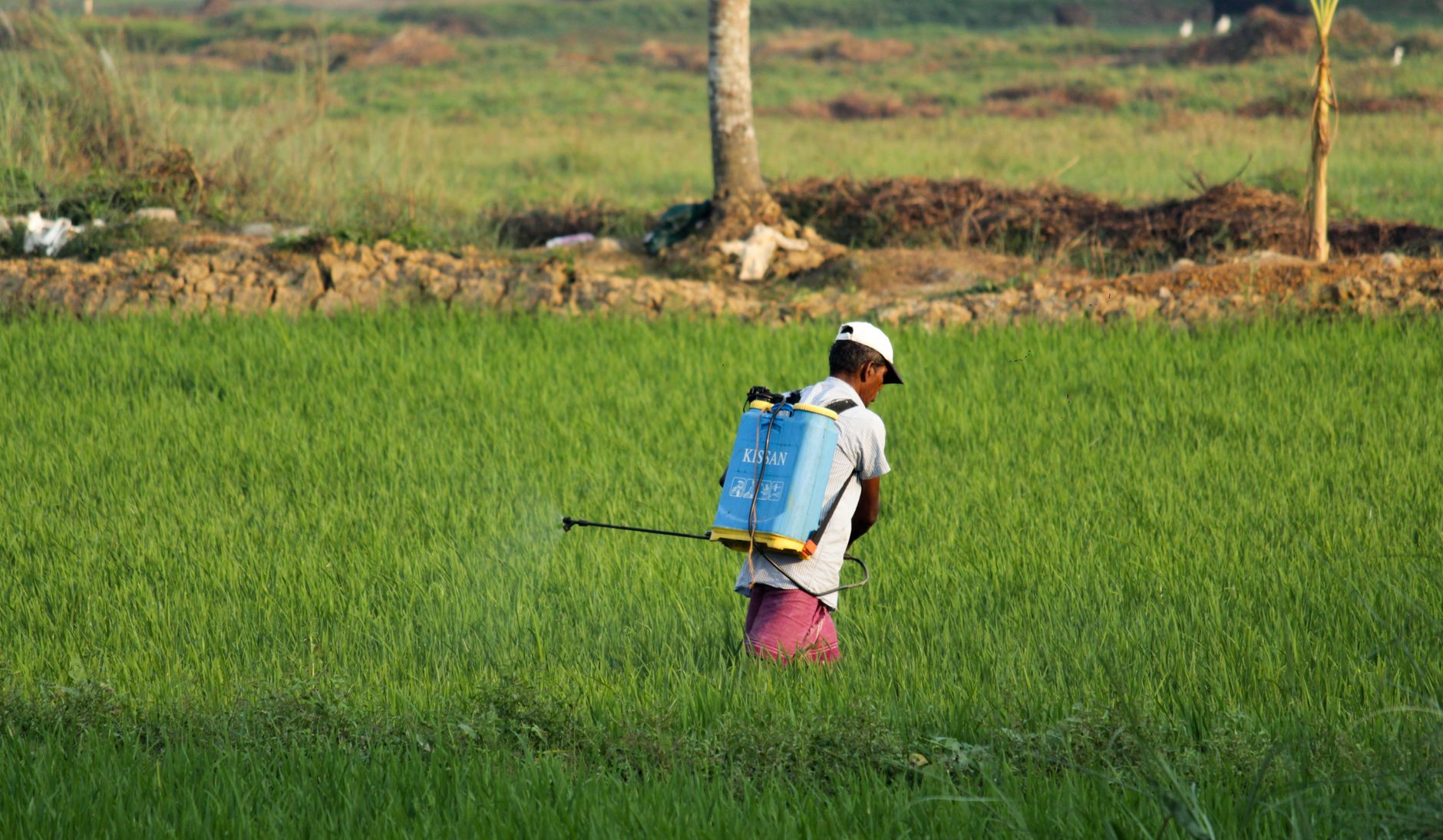
What is Kisan Vikas Patra 2026?
Kisan Vikas Patra (KVP) is a government-backed savings scheme designed specifically for Indian farmers and rural investors. Reintroduced in 2014 after a decade-long hiatus, this scheme aims to provide secure returns and encourage savings among agricultural communities. As of 2026, the scheme continues to be a popular investment vehicle for those seeking guaranteed returns with minimal risk. The scheme is administered by India Post and various nationalized banks across the country, including branches throughout Tamil Nadu.
The fundamental principle of KVP is that your investment doubles within a fixed period, currently 10.5 to 11 years, depending on the current interest rate structure. This makes it an attractive option for long-term wealth creation without requiring active market participation or complex financial knowledge.
Current Interest Rates and Returns in 2026
As per the latest quarterly revision for 2026, the Kisan Vikas Patra offers an interest rate of approximately 7.2% per annum, compounded annually. This is competitive when compared to traditional fixed deposits offered by banks in Tamil Nadu, which typically range between 6.5% to 7% for similar tenures.
For example, if a farmer from Coimbatore invests ?1,00,000 in KVP at the current rate, the investment would double to approximately ?2,00,000 in around 10 years. This represents a significant wealth accumulation tool for rural investors who may not have access to sophisticated investment products.
Eligibility and Investment Limits in 2026
One of the key advantages of KVP 2026 is its inclusive eligibility criteria. Any Indian citizen, including NRIs, can invest in this scheme. There are no age restrictions, making it suitable for minors, working professionals, and retirees alike.
The minimum investment amount is ?1,000, and you can invest up to ?9,00,000 per financial year as an individual. For joint accounts, the limit extends to ?18,00,000. These flexible limits make KVP accessible to investors across various income brackets. In Tamil Nadu, where agricultural activities remain significant in districts like Thanjavur and Tiruppur, this accessibility has made KVP particularly popular among farmer collectives.
Maturity Period and Withdrawal Rules
The standard maturity period for KVP is 10 years and 4 months at current rates. However, investors can withdraw their funds after 7 years if needed, though this may result in lower returns than the full maturity period. Early withdrawal after 5 years is possible but comes with a penalty of 1-2% of the accumulated amount.
For practical context, a Chennai-based trader who invested ?2,00,000 in 2016 would have received approximately ?4,00,000 at maturity in 2026. This demonstrates the power of long-term investment through KVP.
Tax Implications and Benefits
KVP investments qualify for tax benefits under Section 80C of the Income Tax Act, allowing deductions up to ?1,50,000 annually. This makes it particularly attractive for salaried individuals seeking to reduce their tax liability while building wealth. However, the interest earned is taxable as per your income tax slab.
For senior citizens in Tamil Nadu with retirement income, the tax efficiency of KVP makes it an excellent complement to other fixed-income investments.
Is KVP 2026 Worth Investing For?
KVP 2026 is worth considering if you have a long-term investment horizon of 10+ years and prioritize capital safety over high returns. The scheme is particularly suitable for:
Farmers and agricultural workers: The scheme was specifically designed for this demographic, offering stable returns without market volatility.
Risk-averse investors: With government backing, your principal is completely secure.
Tax planners: Those seeking Section 80C deductions alongside steady returns.
Long-term savers: Individuals committed to saving for 10+ years without needing interim access.
Drawbacks to Consider
While KVP offers many benefits, it’s important to understand its limitations. The returns of 7.2%, though competitive, may lag behind equity-linked investments during bull markets. The long lock-in period of 10 years makes it unsuitable for those needing liquidity within 5 years. Additionally, inflation erosion could impact purchasing power, especially in high-inflation periods.
Practical Advice for Tamil Nadu Investors
Before investing in KVP 2026, assess your financial goals and liquidity needs. For farmers in Madurai or Coimbatore, combining KVP with agricultural insurance schemes can create a robust financial safety net. Compare KVP returns with senior citizen savings schemes and fixed deposits from your preferred bank branch. Visit your nearest India Post office or bank to open an account, as the process is straightforward and requires minimal documentation.
Conclusion
Kisan Vikas Patra 2026 remains a reliable investment instrument for conservative investors seeking guaranteed returns. While it may not offer the aggressive growth of equity investments, its safety, accessibility, and tax benefits make it a valuable component of a diversified investment portfolio, particularly for Indian farmers and rural communities across Tamil Nadu and beyond.
View on Amazon India →
* Affiliate link – we may earn a small commission at no extra cost to you
Frequently Asked Questions
What is the current interest rate for Kisan Vikas Patra 2026?
KVP offers competitive interest rates that double your investment in 10.5-11 years. The exact rate varies quarterly based on government policy. Check with India Post or your nearest bank branch in Tamil Nadu for the latest rates.
Who is eligible to invest in Kisan Vikas Patra?
KVP is open to Indian farmers, rural investors, and any Indian citizen above 18 years. Minors can also invest through guardians. NRI status may have restrictions, so verify eligibility at your local post office.
Is Kisan Vikas Patra safe for long-term investment?
Yes, KVP is government-backed by India Post and nationalized banks, making it extremely safe. It offers guaranteed returns with minimal risk, ideal for conservative long-term wealth creation without market volatility concerns.