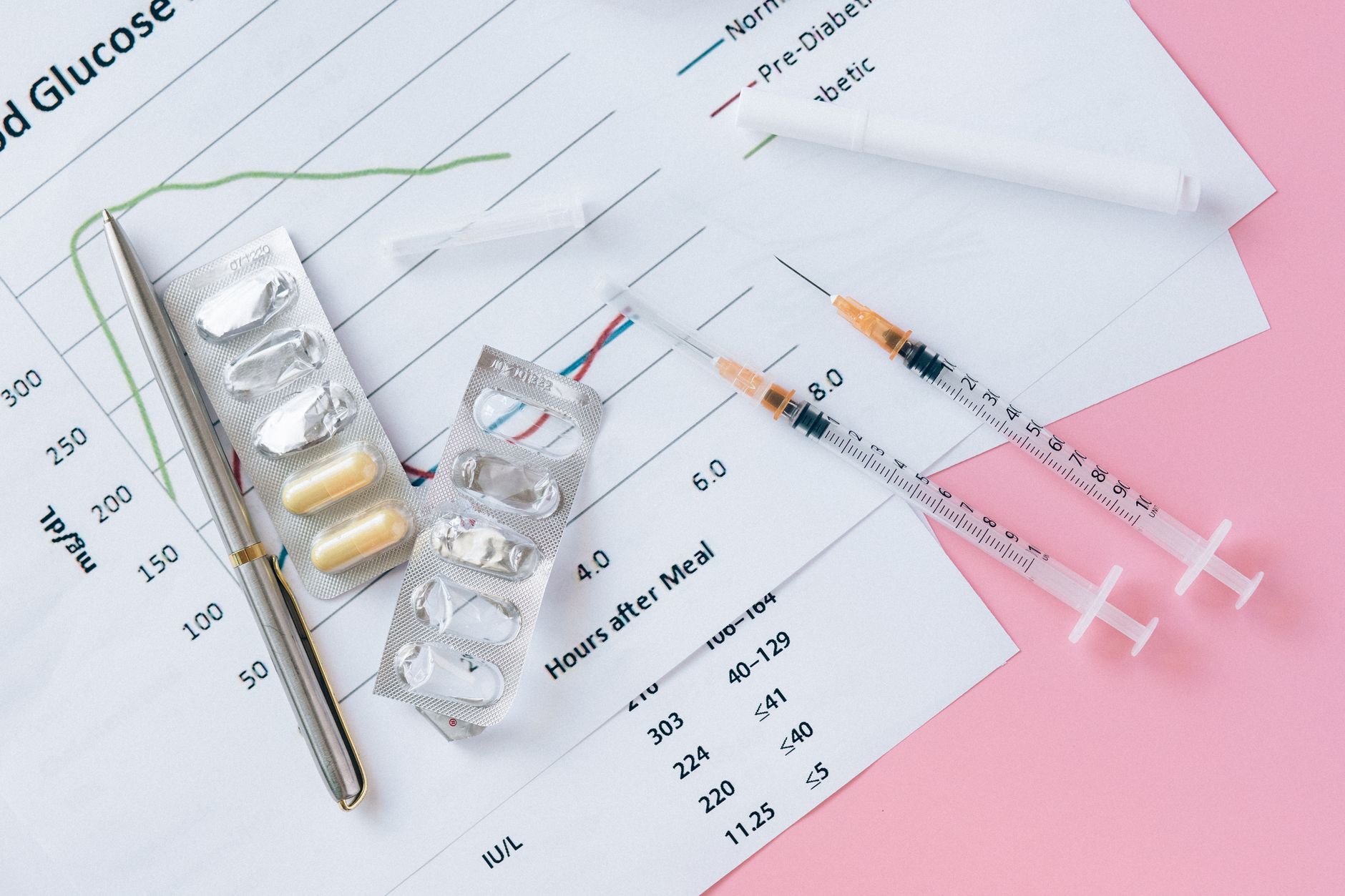
70 Million Diabetics in India by 2015: A Wake-Up Call for the Nation
India is facing a diabetes epidemic of staggering proportions. A recent comprehensive study has sounded the alarm: by 2015, approximately 70 million Indians will be diagnosed with diabetes, making our country the diabetes capital of the world. This isn’t just a statistic-it’s a health crisis that demands our immediate attention and action.
For those of us in Chennai and Tamil Nadu, this data hits even closer to home, as our state has consistently reported higher diabetes prevalence rates compared to the national average. Understanding this crisis and taking preventive measures today could save countless lives tomorrow.
What the Study Reveals About India’s Diabetes Crisis
The research presents a sobering picture of India’s public health landscape. With diabetes affecting such a large portion of our population, we’re looking at a condition that impacts not just individual health but our entire healthcare system, economy, and productivity.
What makes this even more concerning is that many of these 70 million cases go undiagnosed. Indians often discover their diabetes only after complications have already developed-such as heart disease, kidney problems, or vision loss. This delayed diagnosis makes treatment more expensive and less effective.
The study highlights that diabetes is no longer a disease of the wealthy and elderly. Increasingly, younger Indians, middle-class families, and even children are being diagnosed with Type 2 diabetes, a dramatic shift from previous decades.
Why Is India Becoming the Diabetes Capital?
Several factors contribute to this alarming trend across India:
Lifestyle Changes: Rapid urbanization has transformed how Indians live and eat. Our sedentary jobs, increased screen time, and shift away from traditional active lifestyles have accelerated weight gain and metabolic problems.
Dietary Shifts: The availability of processed foods, sugary drinks, and fast food has replaced traditional, fiber-rich Indian diets. Refined grains have become dietary staples, replacing the millets and whole grains our ancestors consumed.
Genetic Predisposition: Indians have a genetic tendency toward insulin resistance, making us more susceptible to diabetes even at lower body weights compared to other populations.
Stress and Sleep: The pressures of modern life-work stress, pollution, traffic-combined with irregular sleep patterns, create perfect conditions for diabetes to develop.
The Tamil Nadu and Chennai Connection
Chennai and Tamil Nadu have emerged as diabetes hotspots within India. Studies specific to our state show diabetes prevalence rates of 8-10% in urban areas, significantly higher than rural regions. The city’s rapid development, coupled with our traditionally rice-heavy diet, has created a perfect storm for metabolic diseases.
Several major hospitals in Chennai have reported a 40% increase in diabetes diagnoses over the past five years. T. Nagar, Anna Nagar, and other affluent areas show particularly high rates, indicating that this isn’t just a poverty-related issue-it affects all socioeconomic classes.
The good news? Our state also has excellent medical infrastructure and growing awareness about preventive health. Many Chennai-based researchers are leading India’s fight against diabetes, and our healthcare facilities are among the best in the country.
The Broader Health and Economic Impact
With 70 million diabetics, India faces staggering healthcare costs. Diabetes care expenses drain family savings and burden our already-stretched public health system. Beyond finances, diabetes causes:
- Increased rates of heart disease and stroke
- Kidney failure requiring dialysis
- Blindness and vision impairment
- Lower limb amputations
- Reduced work productivity and economic output
- Premature mortality
For a developing nation like India, with millions already struggling with poverty, the diabetes burden becomes an additional weight pulling families deeper into financial hardship.
Prevention: The Most Powerful Medicine
Here’s the encouraging part: diabetes is largely preventable. Multiple studies show that lifestyle modifications can reduce diabetes risk by up to 58% in high-risk individuals.
What You Can Do Today:
- Get Tested: If you’re over 30, have a family history of diabetes, or are overweight, get your blood sugar checked. Early detection is crucial.
- Move More: Aim for 30 minutes of moderate activity daily. Even brisk walking around your Chennai neighborhood counts.
- Eat Smart: Include more vegetables, whole grains, and traditional foods. Reduce sugary drinks, processed snacks, and excess refined carbs.
- Manage Weight: Even a 5-10% reduction in body weight can significantly improve insulin sensitivity.
- Sleep Well: Aim for 7-8 hours nightly. Poor sleep disrupts blood sugar regulation.
- Reduce Stress: Practice yoga, meditation, or activities you enjoy. Many Chennai yoga studios offer affordable classes.
- Limit Alcohol: Excessive drinking increases diabetes risk.
Seeking Medical Guidance
If you suspect you’re at risk or have already been diagnosed with diabetes, consult an endocrinologist or your family doctor. Many excellent diabetes management programs and support groups operate in Chennai and Tamil Nadu. Don’t delay-early intervention can prevent serious complications.
Consider investing in a reliable glucose monitor to track your blood sugar levels. View glucose monitors on Amazon India for affordable, clinically-approved options delivered to your home.
The Bottom Line
The projection of 70 million diabetics by 2015 isn’t a predetermined destiny-it’s a warning that demands action. Every Indian, particularly those of us in high-risk states like Tamil Nadu, has the power to buck this trend through informed choices today.
Share this information with family and friends. Get screened. Make lifestyle changes. Together, we can ensure that this alarming statistic becomes a call to action rather than merely a grim prediction.
Your health is your greatest wealth. Let’s protect it.