Chennai Power Cuts: Minister Nirmalkumar Claims Some Instigating Residents to Protest After Supply Restoration
Chennai residents have been grappling with persistent power supply issues, and now the situation has taken an interesting turn. Tamil Nadu Minister Nirmalkumar recently made a statement claiming that some individuals are deliberately instigating residents to protest even after electricity supply has been restored. This accusation raises important questions about the power crisis in the city and the motivations behind ongoing agitations.
What Happened: The Minister’s Statement on Chennai Power Cuts
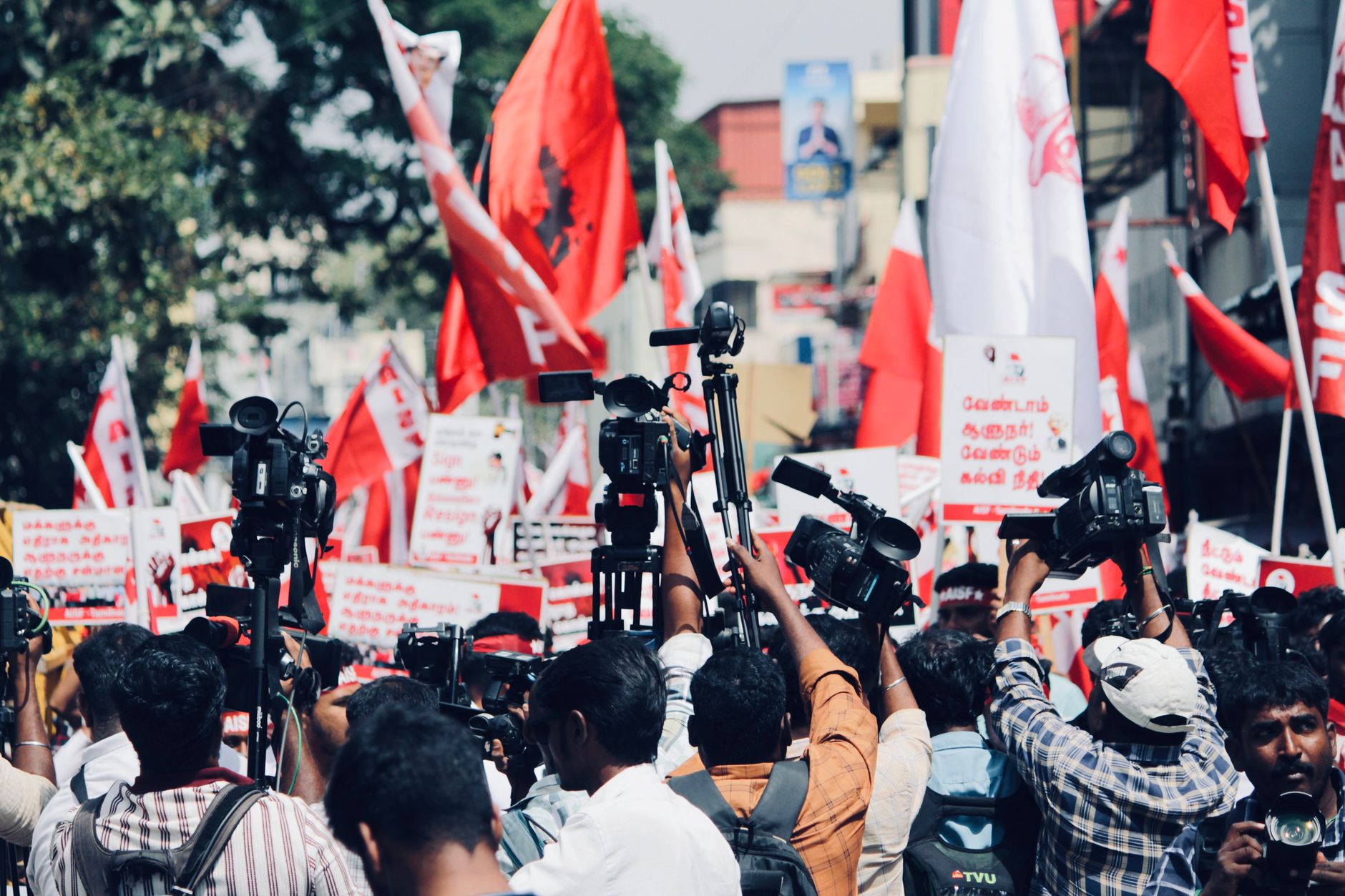
During a recent press briefing, Minister Nirmalkumar addressed the ongoing power supply challenges in Chennai and made a significant claim. According to the minister, while the authorities have been working to restore electricity supply to affected areas, certain individuals are allegedly motivating residents to continue protesting even after power has been restored. This statement suggests that there may be political or vested interests behind some of the demonstrations in the city.
The minister’s comments come at a time when Chennai residents have been experiencing frequent power outages and supply disruptions. These issues have affected daily life, business operations, and household activities across the metropolitan area. The power cuts have been particularly challenging during peak summer months when demand for cooling systems reaches its highest.
Why This Matters to Chennai Residents
Power supply reliability is a critical infrastructure issue that directly impacts the quality of life for millions of Chennai residents. When electricity supply becomes unstable, it affects:
Household Life: Families struggle with food preservation, water pumping systems, and basic cooling during hot months. Students cannot study properly, and work-from-home professionals face connectivity issues.
Business Operations: Small shops, restaurants, and commercial establishments suffer significant losses during extended outages. Manufacturing units face production delays and increased operational costs.
Health and Safety: Hospital equipment, medical refrigeration, and essential services depend on uninterrupted power supply. Vulnerable populations, including elderly citizens and those with medical conditions, face serious risks.
Given these impacts, it’s understandable why residents have been vocal about power supply issues. However, Minister Nirmalkumar’s claim raises the question of whether all protests are genuinely rooted in legitimate grievances or if some are being orchestrated for other reasons.
The Broader Context: Power Supply Challenges in Tamil Nadu
Chennai and Tamil Nadu have faced recurring power supply issues due to multiple factors including increased demand, infrastructure limitations, and seasonal variations. The state’s electricity distribution company, Tamil Nadu Generation and Distribution Corporation Limited (TANGEDCO), has been under considerable pressure to maintain consistent supply.
During summer months, air conditioning demand surges dramatically, putting strain on the entire power grid. Additionally, issues with thermal power generation, renewable energy integration, and transmission losses have contributed to the overall supply-demand mismatch. These are legitimate structural problems that require time and investment to resolve.
Understanding the Protest Dynamics
Minister Nirmalkumar’s allegation that some are instigating protests after supply restoration deserves careful examination. It’s possible that:
Political Motivations: Opposition parties might be using power supply grievances to gain political advantage ahead of elections.
Organized Agitations: Some groups may be organizing systematic protests beyond the scope of immediate power cut complaints.
Legitimate Concerns: However, it’s equally important to note that residents may have genuine concerns about frequency of outages, quality of supply, and response time from authorities.
The truth likely lies somewhere in between. While there may be some elements attempting to exploit the situation, the underlying power supply problems are real and require serious attention from policymakers.
What TANGEDCO Is Doing About It
Tamil Nadu’s power distribution authority has been implementing various measures to improve supply reliability, including:
Network strengthening and infrastructure upgrades across distribution zones. Investment in renewable energy projects to diversify power sources. Smart grid technologies to reduce transmission losses and improve monitoring. Regular maintenance schedules for transformers and distribution lines.
These initiatives take time to show results, and residents understand that infrastructure problems cannot be solved overnight.
Practical Advice for Chennai Residents
Be Prepared: Keep backup power solutions ready. Power banks, inverters, and UPS systems can help you stay connected during outages.
Document Issues: Keep records of power cut timings and durations. This information is valuable for authorities and helps in accountability.
Report Properly: Use official TANGEDCO complaint channels instead of informal complaint systems. This ensures your grievance is properly tracked and addressed.
Stay Informed: Follow official announcements about scheduled maintenance or expected disruptions through TANGEDCO’s official website and helpline.
Engage Constructively: Participate in local civic forums and resident associations that work with authorities on infrastructure issues. Constructive dialogue is more effective than disruption.
Energy Efficiency: Invest in energy-efficient appliances and LED lighting to reduce your household demand during peak hours.
Moving Forward
Minister Nirmalkumar’s statement acknowledges that power supply remains a serious concern in Chennai. Whether protests are being instigated or not, the fundamental issue remains that residents expect reliable electricity supply. The government must continue its efforts to strengthen power infrastructure while also being transparent about timelines and challenges.
For Chennai residents, the path forward involves staying engaged with the issue through proper channels, preparing for disruptions, and supporting concrete infrastructure improvements rather than just voicing complaints.