Tamil Nadu Assembly Speaker Drops Action Against 21 AIADMK MLAs After Palaniswami Condones Them
What Happened: Understanding the Political Development
In a significant turn of events that has captured the attention of Tamil Nadu’s political circles, the Tamil Nadu Assembly Speaker has decided to withdraw disciplinary action against 21 AIADMK Members of Legislative Assembly (MLAs). This decision came after former Chief Minister Edappadi K. Palaniswami extended his condonation to these legislators, effectively ending a brewing internal party conflict that had raised eyebrows across the state.
The move signals a reconciliation within the AIADMK party ranks, one of Tamil Nadu’s oldest and most influential political organizations. For months, there had been tension between different factions within the party, with questions about party loyalty and disciplinary measures looming over these 21 MLAs. The Speaker’s decision to withdraw the proposed action essentially closes this chapter, allowing these legislators to continue their duties without facing formal penalties.
Why This Matters: The Political Backdrop
Understanding the significance of this decision requires looking at the AIADMK’s recent history. The party, which has governed Tamil Nadu for multiple decades and has deep roots in Chennai and across the state, has been navigating internal divisions following the demise of former Chief Minister J. Jayalalithaa in 2016. The party has since experienced multiple leadership transitions and factional disputes.
The 21 MLAs in question had allegedly engaged in actions that the party leadership viewed as contradicting party discipline or instructions. This could have included voting against party positions in the assembly, engaging with opposing parties, or other political maneuvers that violated party guidelines. In normal circumstances, such violations could result in disciplinary measures ranging from suspension to expulsion from the party.
Edappadi K. Palaniswami’s decision to condone these MLAs-essentially forgiving them-suggests that party unity has been prioritized over strict disciplinary action. This is a calculated political move aimed at maintaining party cohesion, particularly important for an opposition party that needs to present a united front against the ruling DMK government.
Impact on Tamil Nadu Politics and Chennai
For common Tamil Nadu citizens and Chennai residents, this development has several implications. First, it demonstrates how political parties manage internal conflicts in ways that may not always be transparent to the general public. The AIADMK’s decision to reconcile internally rather than pursue public disciplinary actions suggests a preference for behind-the-scenes negotiations over formal processes.
Second, this move strengthens the AIADMK’s position as an opposition force. With 21 MLAs potentially facing action, the party would have faced reduced strength in the state assembly. By bringing these legislators back into the fold, the AIADMK has consolidated its numbers, which affects the balance of power in the assembly and the party’s ability to challenge government policies and propose alternative legislation.
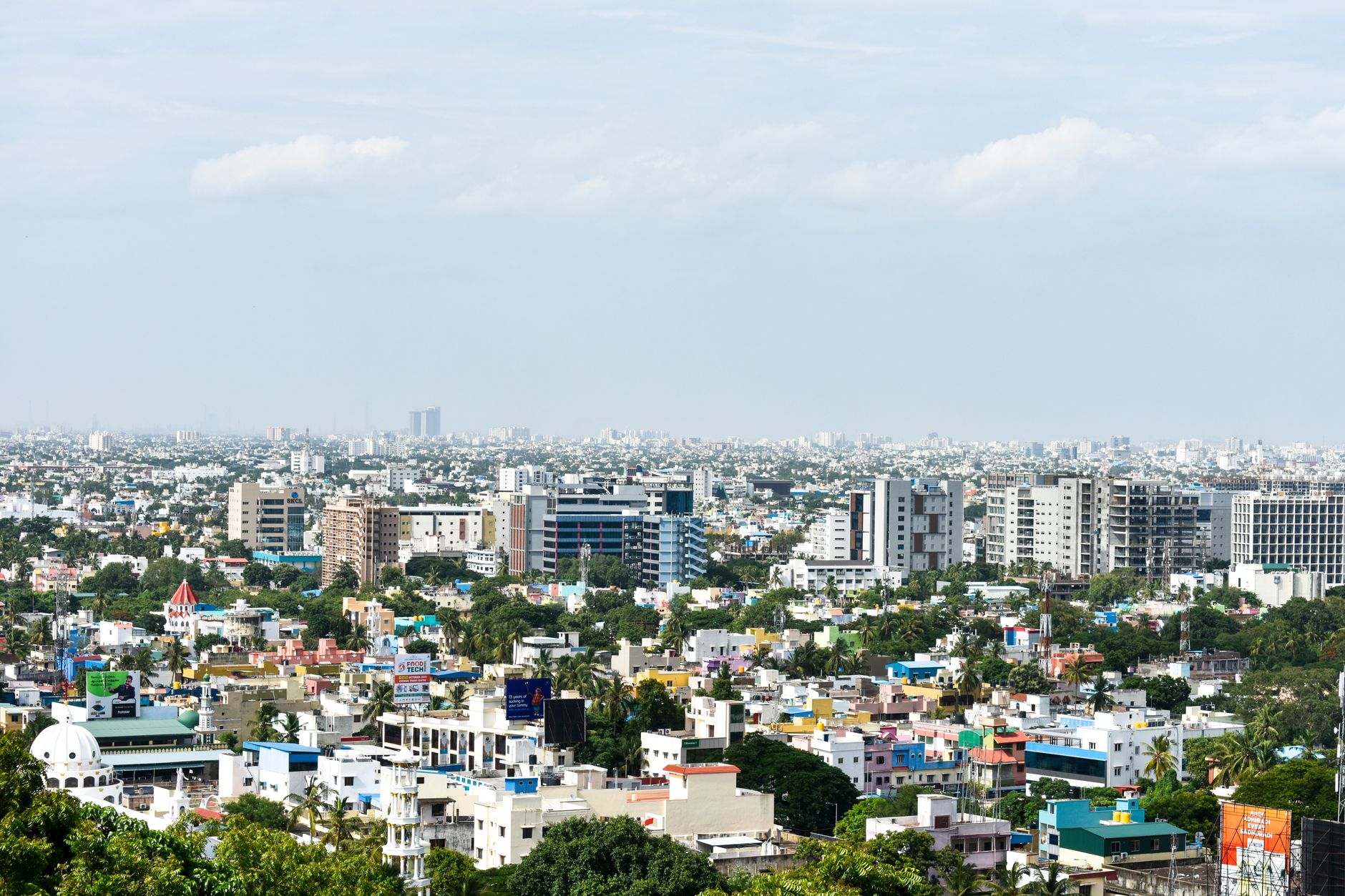
For Chennai residents specifically, this is relevant because the capital city is a microcosm of Tamil Nadu politics. Many of these AIADMK MLAs represent Chennai constituencies or have influence in the city. A stronger AIADMK means more robust political representation and opposition scrutiny of government policies affecting Chennaiites, from water management to infrastructure development to welfare schemes.
Understanding Party Condonation and Assembly Procedures
The concept of party condonation is rooted in Indian parliamentary practice. When a party “condones” the actions of its members, it essentially withdraws its complaint or consent for disciplinary proceedings. This is not uncommon in Indian politics, where party leadership often uses condonation as a reconciliation tool to maintain party unity.
The Speaker’s role in this matter is important to understand. As the constitutional head of the legislative assembly, the Speaker acts as an impartial custodian of assembly rules and procedures. However, when the party involved chooses not to pursue disciplinary action, the Speaker typically respects this decision, especially for intra-party matters that don’t involve breach of assembly rules or procedures.
Broader Implications for TN Governance
This incident raises questions about party discipline in Tamil Nadu politics. While condonation allows for reconciliation, it also raises concerns about whether party members are truly accountable for their actions. Critics might argue that this softens party discipline, while supporters would contend that political pragmatism and unity are sometimes more valuable than rigid rule-following.
The incident also reflects the reality of Indian politics: parties are complex organizations with multiple power centers and factions. Leaders like Palaniswami use their authority to manage these internal dynamics, sometimes through mechanisms that may seem opaque to ordinary voters.
What This Means for Common Citizens
While this may seem like an internal party matter, it affects common Tamils and Chennai residents in tangible ways. A united AIADMK can provide stronger opposition, scrutinize government policies more effectively, and potentially influence legislative outcomes. Whether this is positive or negative depends on your political perspective.
From a governance standpoint, citizens should be aware of how their elected representatives behave and which party they support. The AIADMK’s internal management style-which prioritizes unity over strict discipline-is an important characteristic for voters to consider when making electoral decisions.
Practical Advice for Tamil Nadu Readers
As a citizen, stay informed about the positions and actions of your local MLAs. Use this incident as a reminder to research your representatives’ voting records and party affiliations. Engage with local news sources like NammaNewz to understand the nuances of Tamil Nadu politics rather than relying on incomplete information.
Participate in civic processes: attend public meetings, ask your representatives questions about their positions, and hold them accountable. Understanding internal party dynamics helps you make informed choices during elections and advocate for policies that matter to you and your community in Chennai and across Tamil Nadu.