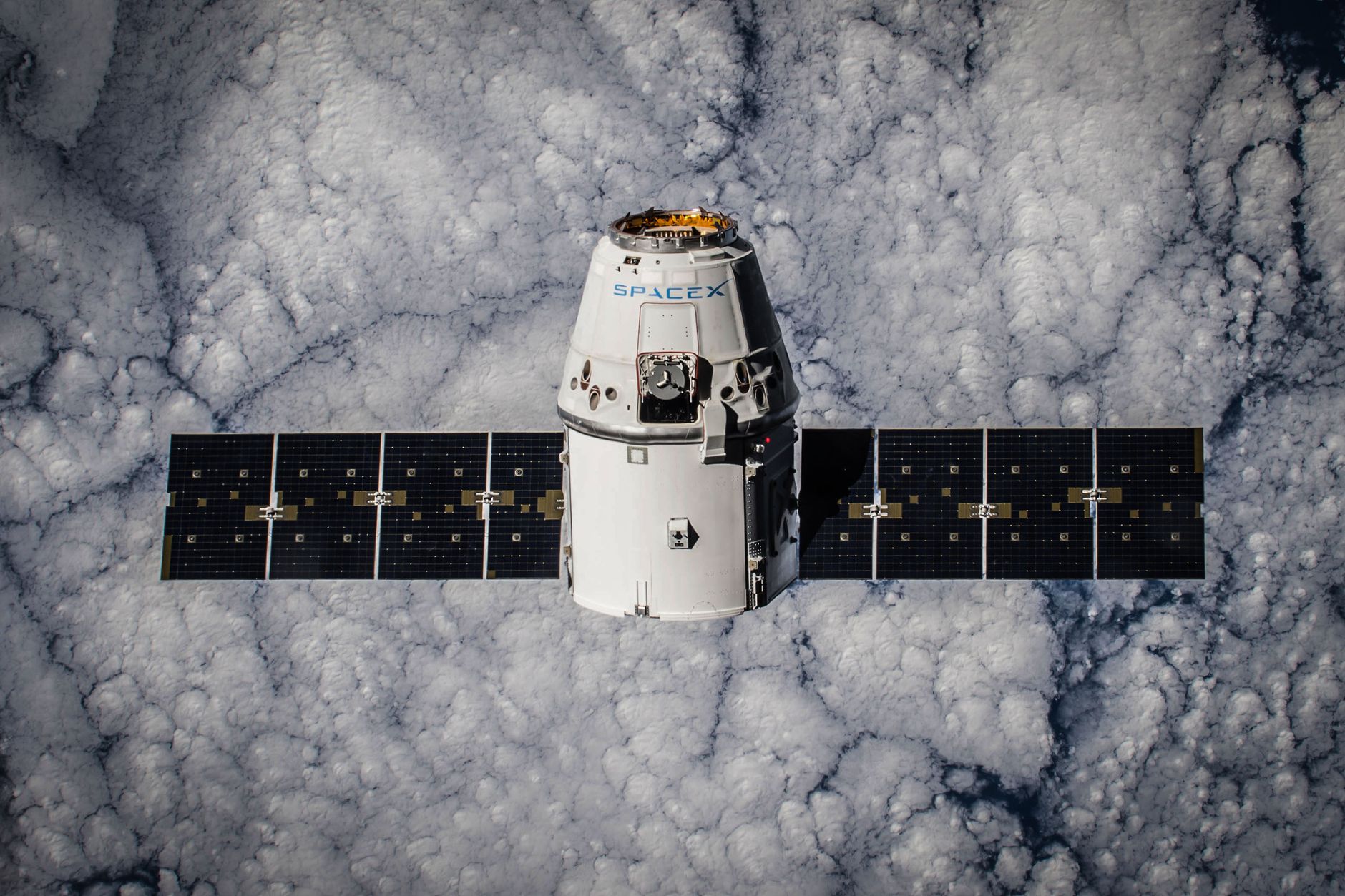
Starlink Constellation Crosses 10,600 Satellites After Latest SpaceX Launch
In a significant milestone for global satellite internet connectivity, SpaceX’s Starlink constellation has now crossed the 10,600-satellite mark following its latest launch. This achievement represents a massive leap toward making high-speed, reliable internet accessible to underserved regions worldwide-including rural and remote areas across India and Tamil Nadu. Let’s break down what this means for you and your connectivity future.
What Just Happened: The Latest Starlink Launch
SpaceX recently deployed another batch of Starlink satellites into low Earth orbit (LEO), pushing the total operational constellation beyond 10,600 satellites. These aren’t just numbers on a spreadsheet-each satellite represents another connection point in what’s becoming the world’s largest satellite internet network. The constellation now covers significantly more of Earth’s surface, including regions that have historically struggled with traditional broadband infrastructure.
For those new to satellite internet, these thousands of satellites work together in a mesh network, orbiting just 550 kilometers above Earth. This is much closer than traditional geostationary satellites (which sit 36,000 km up), which means faster speeds and lower latency-crucial factors for practical internet use.
Why This Matters for India and Tamil Nadu
India’s digital infrastructure has improved dramatically over the past decade, but a persistent challenge remains: reliable broadband connectivity in rural areas. According to recent reports, while urban centers like Chennai, Bangalore, and Mumbai enjoy robust 4G and fiber networks, millions in India’s villages and smaller towns still depend on unreliable connections or lack internet access altogether.
The Starlink constellation expansion is significant because it offers an alternative to expensive ground-based infrastructure. Traditional broadband requires laying fiber optic cables, building towers, and maintaining extensive terrestrial networks-projects that are often economically unviable in sparsely populated areas. Satellite internet bypasses these limitations entirely.
Tamil Nadu, despite being one of India’s more developed states, has areas where connectivity remains spotty. Rural taluk towns and agricultural areas around regions like Tiruppur, Salem, and Villupuram could potentially benefit from this technology. The Chennai metropolitan area is well-served, but villages within a 200-kilometer radius could see dramatic improvements in educational and economic opportunities.
Current Starlink Status in India
As of now, Starlink remains in a regulatory holding pattern in India. The Department of Telecommunications has permitted SpaceX to conduct testing and demonstrations, but commercial services haven’t launched yet. Elon Musk’s company has been in discussions with Indian authorities, and there’s been progress on security and licensing concerns. The recent satellite constellation milestone strengthens Starlink’s position for eventual Indian launch, as it demonstrates the network’s maturity and reliability.
The expanded constellation means that once Starlink does receive final approval to operate in India, the service will be more robust and reliable from day one-a significant advantage for both the company and potential users.
How 10,600 Satellites Changes the Game
With over 10,600 satellites, Starlink’s coverage footprint has become nearly global. This density ensures that no matter where you are on Earth, at least one satellite is typically visible in your sky at any given time. For India, this means consistent service potential without dead zones.
The network is also becoming more resilient. Redundancy is built in-if one satellite goes offline, several others can pick up the slack. This redundancy is crucial for critical applications like telemedicine in rural hospitals, distance learning for students, and agricultural IoT applications that Tamil Nadu farmers increasingly rely upon.
The Competitive Landscape
Starlink isn’t alone in this space. Amazon’s Project Kuiper and other competitors are developing similar systems, but Starlink’s head start is evident. With 10,600 operational satellites, it has already lapped most competitors. For Indian consumers and businesses, this competition ultimately drives better services and potentially lower prices.
What Could This Mean for Chennai and Tamil Nadu Users?
Once approved in India, potential benefits include:
- Rural connectivity: Villages in Tamil Nadu’s interior could finally get broadband speeds rivaling urban areas
- Backup internet: Businesses and homes could use Starlink as redundant connectivity, reducing downtime risk
- Emergency response: During natural disasters, satellite internet could maintain connectivity when ground infrastructure fails
- Cost pressure: Competition from Starlink will likely push existing ISPs to improve service and reduce prices
Timeline for Indian Launch
While no official date has been announced, industry observers expect Starlink to receive Indian regulatory clearance sometime in 2024 or early 2025. The approval of the 10,600-satellite constellation demonstrates technical maturity that may accelerate government decisions. Once approved, the service could roll out in phases, likely starting with major metros before expanding to tier-2 and tier-3 cities, then rural areas.
Practical Advice for Tamil Nadu Readers
If you’re in a rural area with poor internet: Keep an eye on Starlink news. When the service launches, it could genuinely transform your access to education, healthcare, and economic opportunities. You may need to purchase a satellite dish and modem (typically a one-time cost), so budget accordingly.
If you already have decent broadband: Consider Starlink as a backup option. For small businesses and work-from-home professionals, having redundant connectivity is increasingly valuable.
Stay informed: Follow official Starlink India announcements rather than rumors. The regulatory process in India is deliberate but progressing.
The crossing of 10,600 satellites represents more than just a technical achievement-it’s a milestone toward genuine digital equity. For readers across Tamil Nadu and India, this constellation expansion means that fast, reliable internet access is becoming geographically inevitable, not a luxury reserved for city dwellers.