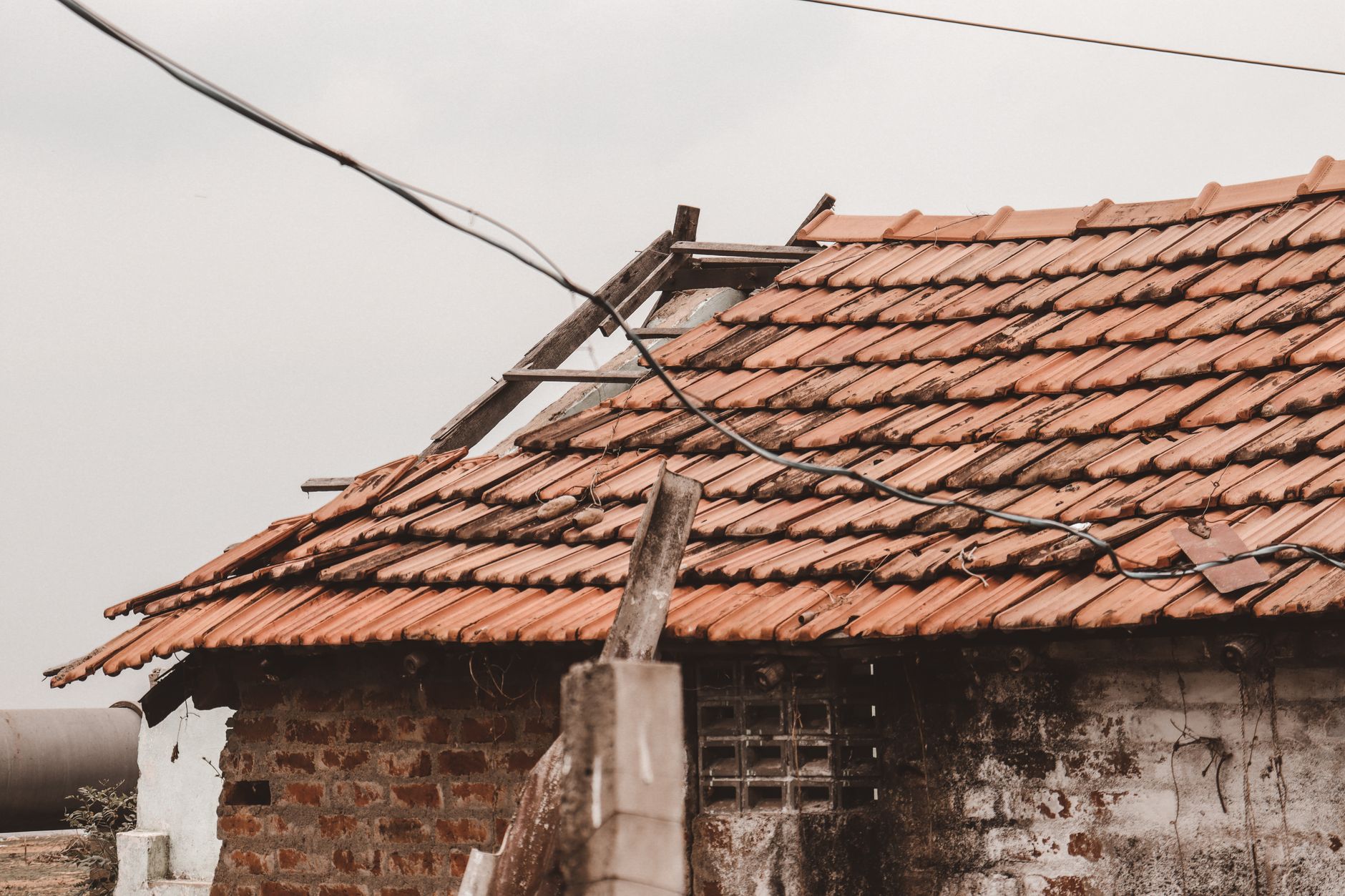
Pozhichalur Thangal Gets New Lease of Life After EFI-Led Restoration
Chennai’s architectural heritage just got stronger with the successful restoration of the Pozhichalur Thangal, a centuries-old structure that stands as a testament to Tamil Nadu’s rich Islamic heritage. The restoration project, spearheaded by the Environmental Foundation of India (EFI), has breathed new life into this historic monument, marking a significant milestone in the city’s ongoing conservation efforts.
What is Pozhichalur Thangal?
Nestled in the Pozhichalur locality of South Chennai, the Thangal is a revered shrine dedicated to a Muslim saint, dating back several centuries. The structure represents the syncretic nature of Chennai’s cultural landscape, where Hindu, Muslim, Christian, and other communities have coexisted harmoniously for generations. For locals, it’s not just a religious site-it’s a living connection to their ancestors and the city’s multicultural past.
The word “Thangal” refers to a Muslim saint or holy person in South Indian Islamic tradition, and several such shrines dot the Chennai landscape. However, many of these heritage structures have fallen into disrepair over decades due to lack of maintenance, urban development pressures, and insufficient funding for conservation.
Why the Restoration Matters to Chennai
Urban conservation in Chennai has long been a challenge. As the city modernizes at breakneck speed, with shopping malls, IT parks, and residential towers reshaping its skyline, heritage structures often get sidelined. The restoration of Pozhichalur Thangal sends an important message: that economic development and cultural preservation can coexist.
For residents of Pozhichalur and surrounding areas, the restoration project is deeply personal. These communities have stewarded these spaces through generations, and seeing institutional support for preservation validates their commitment to keeping history alive. It also sets a precedent for other neglected heritage sites across Chennai that deserve similar attention.
The EFI Restoration Project: What Changed?
The Environmental Foundation of India, known for its work on heritage conservation and environmental sustainability across India, took on the challenging task of restoring the Pozhichalur Thangal. The restoration involved meticulous work to preserve the original architectural elements while making the structure safe and accessible for future generations.
Key aspects of the restoration likely included:
- Structural Repairs: Addressing foundational issues, wall damage, and roof deterioration
- Architectural Authenticity: Using period-appropriate materials and techniques where possible
- Enhanced Accessibility: Making the site accessible to pilgrims and heritage enthusiasts while respecting its sacred nature
- Documentation: Recording the site’s history and architectural significance for future researchers
Such projects require deep collaboration between conservationists, local communities, religious leaders, and municipal authorities-a complex coordination that EFI has successfully managed.
The Broader Impact on Chennai’s Heritage Conservation
Chennai’s heritage sector has seen increased activity in recent years. The restoration of Fort St. George, the conservation initiatives around Mylapore temples, and the ongoing efforts to preserve colonial-era buildings have collectively raised awareness about the city’s architectural legacy. The Pozhichalur Thangal project adds to this momentum.
This restoration also highlights the role of NGOs and specialized foundations in stepping in where government resources may be stretched thin. While the Tamil Nadu government has heritage conservation programs, partnerships with organizations like EFI multiply the impact and ensure quality workmanship.
Community Response and Religious Significance
The local Muslim community and other residents have welcomed the restoration enthusiastically. For many devotees, the Thangal serves as a pilgrimage site and a place of spiritual significance. The improved structure means the shrine can now safely accommodate visitors and continue its religious functions for years to come.
Beyond religious significance, the Thangal represents the secular fabric of Chennai. In an era where communal harmony is increasingly precious, such multi-faith heritage sites serve as physical reminders of shared history and mutual respect.
What This Means for Other Heritage Sites
The success of this project raises an important question: What about the dozens of other heritage structures across Chennai that are crumbling? From the Santhome Basilica’s ongoing restoration to the lesser-known tombs, tanks, and temples scattered across the city, many await similar interventions.
The Pozhichalur Thangal restoration demonstrates that with proper planning, community involvement, and expert execution, even the most deteriorated structures can be saved. It’s a blueprint that could be replicated across Tamil Nadu and beyond.
Practical Advice for Heritage Lovers and Concerned Citizens
If you care about your city’s heritage, here are actionable steps:
Visit and Document: Take time to explore heritage sites in your locality. Photograph them, record oral histories from elders, and document any changes or deterioration. These records are invaluable for conservationists.
Support Conservation NGOs: Organizations like EFI, Indian National Trust for Art and Cultural Heritage (INTACH), and local heritage groups rely on support. Consider volunteering or contributing to their initiatives.
Engage with Local Administration: File complaints with Chennai’s Heritage Department and municipal corporations about neglected sites. Persistent community voice drives change.
Educate Others: Spread awareness about heritage conservation among friends and family. Cultural preservation requires collective effort.
Respect Sacred Spaces: If visiting religious heritage sites like the Pozhichalur Thangal, follow local customs and show respect to those who use these spaces for worship.
Looking Ahead
The restoration of Pozhichalur Thangal is not just about saving a building-it’s about preserving the story of Chennai, the values of its people, and the memory of centuries past. As the city continues to grow, such projects ensure that progress doesn’t erase history.
If you’re in Pozhichalur or passing through, the restored Thangal is now open for visitors. It’s a humble but powerful reminder that heritage conservation matters, and that with determination and cooperation, we can ensure that our children inherit the same rich cultural landscape we have been fortunate to receive.