NAMMA NEWZ Health & Wellness | namnewz.com Mental Health in India – Why We Still Don't Talk About It SEO Keyword: Mental health India stigma awareness 2026 Meta: Mental health is India's most neglected health crisis.
Here is why Indians avoid talking about mental health, what the stigma costs us, and how to access help in Chennai.
India has approximately 197 million people with mental health conditions.
That is roughly 1 in 7 Indians – more than the entire population of Brazil.
Yet mental health remains the most stigmatised, most underfunded, and most misunderstood health issue in the country.
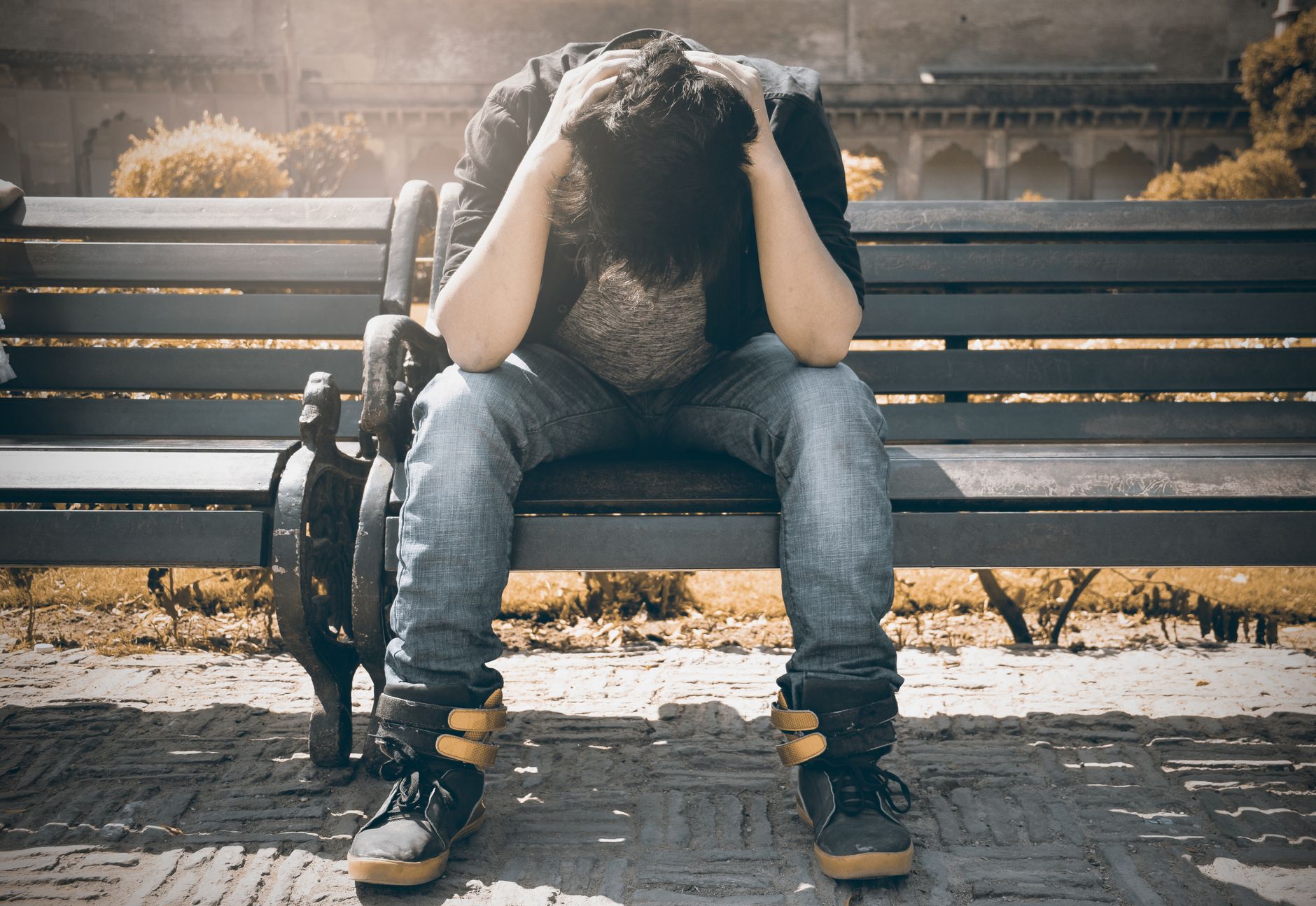
The consequences of this silence are severe: untreated depression worsening into disability, anxiety disorders destroying careers, suicide rates that have made self-harm the leading cause of death among young Indians aged 15-29.
This article is about breaking that silence.
The Scale of India's Mental Health Crisis Condition Estimated Indian Prevalence Treatment Gap Depression 57 million people 83% receive no treatment Anxiety disorders 38 million people 86% receive no treatment Alcohol use disorder 22 million people 90%+ receive no treatment Psychosis/Schizophrenia 3 million people Significant treatment gap Suicide (deaths annually) 164,000+ (2023 NCRB) Prevention severely underfunded India has approximately 0.3 psychiatrists per 100,000 people – compared to a WHO recommendation of 3 per 100,000.
Tamil Nadu, despite being a relatively better-served state, faces the same fundamental shortage of mental health professionals.
Why Indians Don't Talk About Mental Health 1.
The Shame and Social Stigma In Indian culture, mental illness is often interpreted as personal weakness, spiritual failing, or family disgrace.
A family member with depression may be told to 'think positive,' pray harder, or simply 'pull themselves together.' The fear of being labelled 'pagal' (mad) or the social consequences for marriage prospects, employment, and family reputation keeps most Indians silent.
2.
Conflation With Madness Most Indians associate mental illness only with severe psychosis – the visible, dramatic presentations of serious mental illness.
Depression, anxiety, OCD, PTSD, and eating disorders – which together constitute the vast majority of mental health conditions – are not recognised as 'real' medical conditions by many families.
'You have a home, food, and family – what do you have to be depressed about?' is a tragically common response.
3.
Lack of Awareness and Vocabulary Tamil Nadu has limited mental health vocabulary in common use.
Expressing nuanced emotional states in Tamil – beyond basic happiness and sadness – is challenging when the language of emotional literacy has not been culturally developed.
What cannot be named easily cannot be recognised and addressed.
4.
The 'Family Will Handle It' Approach Indian collectivist culture assigns mental health responsibility to the family rather than to professional services.
Family, community, and religious leaders are the first line of response to mental distress in most Indian households.
Professional help is sought only when the condition becomes impossible to manage within the family – by which point it has often severely worsened.
5.
Cost and Access A psychiatry consultation in private practice in Chennai costs Rs 800-2,000 per session.
Weekly psychotherapy at Rs 1,500-3,000 per session is beyond the means of most middle-class families when sustained over months.
Government mental health services exist but are severely understaffed and often inaccessible for working-age adults.
The Cost of Silence India's mental health treatment gap has enormous economic, social, and human costs: Lost productivity: Depression and anxiety disorders cost India an estimated Rs 1.03 trillion annually in lost economic output Physical health consequences: Untreated depression worsens heart disease, diabetes, and pain conditions – the brain-body connection is profound Relationship breakdown: Unaddressed mental health conditions are a major driver of domestic conflict, divorce, and child abuse Suicide: India accounts for approximately 17% of global suicides – and young Indians (15-29) are the most affected demographic Signs Someone You Love May Need Help Persistent sadness, hopelessness, or emotional numbness for more than 2 weeks Withdrawal from activities and relationships they previously enjoyed Significant sleep changes – sleeping too much or chronic insomnia Significant appetite and weight changes Difficulty concentrating or making decisions Expressing hopelessness about the future or talking about death Irritability and anger outbursts disproportionate to the situation Physical complaints (headaches, stomach pain) with no medical explanation How to Help Someone You Are Worried About Listen without trying to fix – being heard is often more healing than advice Avoid minimising: 'Cheer up,' 'Think positive,' 'Others have it worse' are harmful Gently suggest professional help – frame it as you would suggest seeing a doctor for fever Offer to help find a professional and accompany them if needed Follow up consistently – mental health crises are not resolved in one conversation Take any mention of suicide seriously – ask directly, listen carefully, and seek emergency help Mental Health Resources in Chennai Resource Contact What They Offer iCall (TISS) 9152987821 Free counselling, Monday-Saturday NIMHANS Helpline 080-46110007 24-hour mental health helpline Vandrevala Foundation 1860-2662-345 24-hour free counselling Snehi India 044-24640050 Crisis support, Chennai SCARF Chennai 044-26424661 Schizophrenia and serious mental illness treatment Government Hospital Psychiatry Free OPD at Stanley, GH, Kilpauk Government mental health services Reducing Stigma Starts With Language Small linguistic changes make a difference.
Instead of 'he is mad' – 'he has a mental health condition.' Instead of 'she is weak' – 'she is struggling and deserves support.' Instead of 'you need to control yourself' – 'it sounds like you are going through something difficult.' Mental health literacy in Tamil Nadu schools, workplaces, and communities is beginning to improve – largely driven by social media, celebrity openness, and a younger generation less bound by the stigmas of previous generations.
The Bottom Line Mental illness is not a character flaw, a spiritual failure, or a family disgrace.
It is a medical condition – as real as diabetes or hypertension – that responds to treatment.
The treatment gap in India is a public health catastrophe, but individual families and communities can begin closing it by choosing to speak openly, support those who struggle, and access help without shame.
If you are struggling – you deserve support.
Reaching out is not weakness.
It is courage.
Disclaimer: For informational purposes only.
Consult a qualified healthcare provider for medical advice.
View on Amazon India →
* Affiliate link – we may earn a small commission at no extra cost to you
Frequently Asked Questions
Why is mental health stigmatized in India?
Cultural beliefs linking mental illness to shame, family honor, and misconceptions about weakness perpetuate stigma. Traditional views prioritize physical health, leaving mental health discussions taboo in most Indian households and communities.
How many Indians suffer from mental health issues?
Approximately 197 million Indians (1 in 7 people) experience mental health conditions. Despite these numbers, mental health remains underfunded and misunderstood compared to physical health issues in India.
Where can Tamil Nadu residents access mental health help?
Contact AASRA (9820466726), iCall (9152987821), or visit government mental health centers in Chennai. Many hospitals now offer counseling services, and online therapy platforms serve Tamil Nadu residents confidentially.
What are the consequences of untreated mental health in India?
Untreated depression leads to disability, anxiety destroys careers, and suicide rates remain alarmingly high. Silent suffering worsens conditions, impacts family relationships, and reduces overall quality of life significantly.