Rooting for Green Cooling Solutions: Chennai Embraces Sustainable Air Conditioning
As summer temperatures in Chennai soar to unbearable levels, the demand for air conditioning has never been higher. Yet, traditional cooling systems consume massive amounts of electricity and emit harmful refrigerants that damage our environment. Now, a quiet revolution is underway—green cooling solutions are gaining traction across Tamil Nadu, and Chennai is leading the charge toward a more sustainable future.
Why Green Cooling Matters in Chennai’s Climate
Chennai, India’s heat capital, experiences temperatures that frequently exceed 40°C during summer months. With air conditioning now considered essential rather than a luxury, households and businesses across the city consume enormous quantities of electricity for cooling purposes. This has created a perfect storm: rising electricity bills, increased strain on power grids, and a massive carbon footprint.
Green cooling solutions address all three problems simultaneously. By adopting environmentally friendly technologies, Chennai residents can keep their homes cool without contributing to climate change or draining their wallets. For a city that already faces water scarcity and urban heat island effects, sustainable cooling isn’t just nice to have—it’s necessary for long-term livability.
Understanding Green Cooling Technologies
Green cooling encompasses several innovative technologies designed to reduce environmental impact. These include:
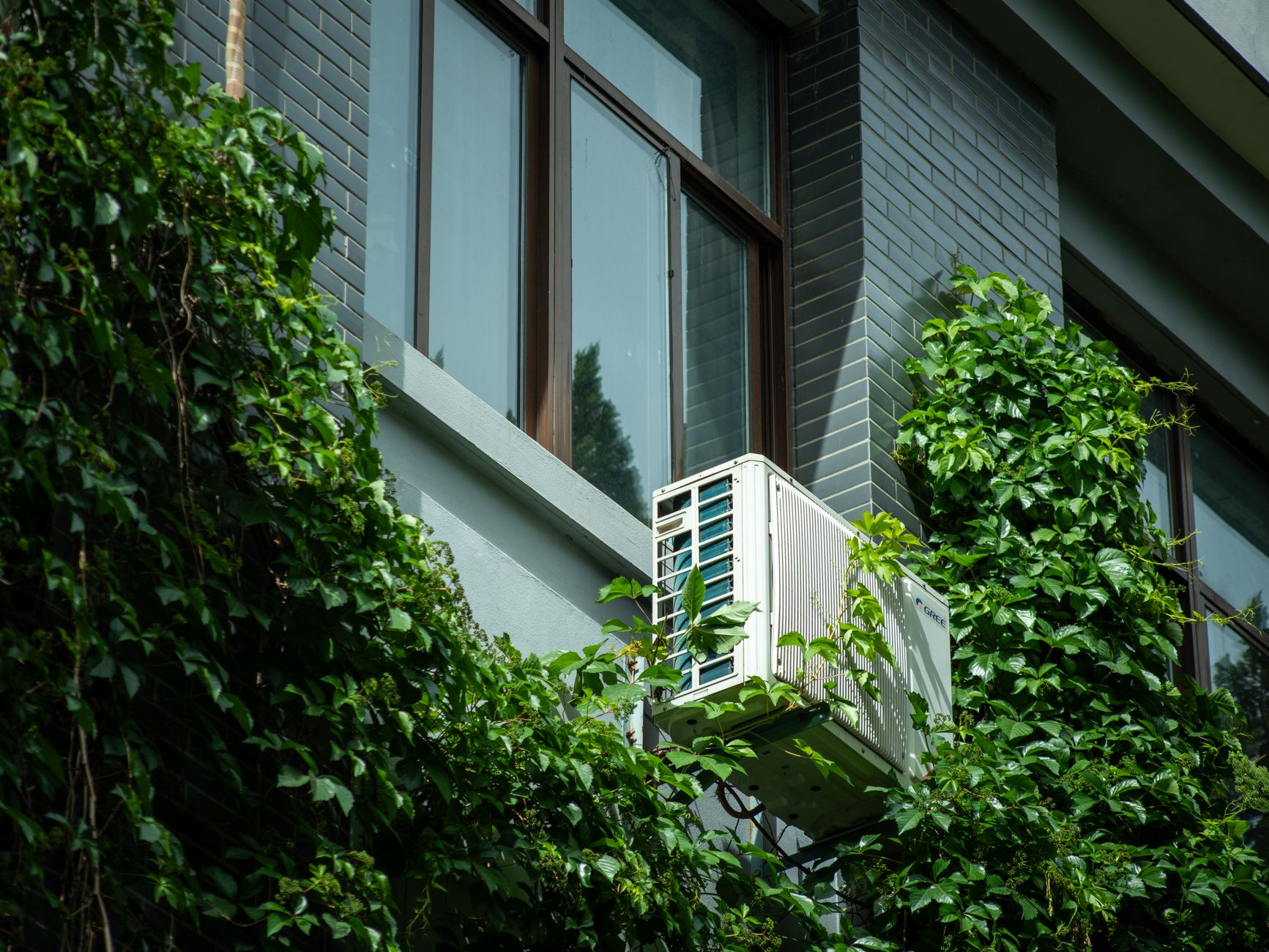
Energy-Efficient Air Conditioners: Modern inverter ACs and split systems use less electricity than traditional models. These use variable-speed compressors that adjust cooling output based on actual need, rather than running at full capacity constantly. A typical inverter AC in Chennai can reduce energy consumption by 30-40% compared to older units.
Natural Cooling Methods: Passive cooling through proper ventilation, strategic window placement, and thermal mass reduces dependence on mechanical cooling. Many traditional Tamil Nadu homes featured thick walls, high ceilings, and courtyards—design principles we’re rediscovering today.
Evaporative Cooling: Desert coolers and evaporative air conditioners work by exploiting the cooling effect of water evaporation. While humidity in coastal Chennai makes this less ideal than in dry regions, hybrid systems combining evaporative cooling with dehumidification show promise.
Solar-Powered Cooling: Solar air conditioners and solar-assisted cooling systems harness Chennai’s abundant sunshine to power cooling equipment. With 300+ sunny days annually, solar cooling is particularly viable for Tamil Nadu.
Eco-Friendly Refrigerants: Next-generation refrigerants like HFO (hydrofluoroolefins) and natural refrigerants have zero ozone depletion potential and lower global warming potential compared to traditional CFCs and HCFCs.
Chennai’s Growing Green Cooling Movement
Across Chennai, innovative projects are demonstrating how green cooling works in practice. Several IT parks in the city’s tech corridor have shifted to energy-efficient cooling systems, reducing operational costs by millions annually. Residential complexes in areas like Sholinganallur and Nungambakkam are installing smart cooling systems that learn occupancy patterns and adjust temperatures automatically.
The Tamil Nadu government has also recognized the importance of sustainable cooling. Building bye-laws now incentivize energy-efficient cooling systems, and several municipal buildings have become showcases for green cooling technologies. Educational institutions across Chennai are installing solar-powered cooling systems to demonstrate these technologies to the next generation.
The Economic Case for Going Green
While initial investment in green cooling solutions may be higher than traditional air conditioners, the long-term savings are substantial. A family in Chennai spending ₹4,000-5,000 monthly on air conditioning could reduce bills by ₹1,200-2,000 with efficient cooling solutions. Over a 10-year lifespan, this represents savings of ₹1.44-2.4 lakhs—often exceeding the additional upfront cost.
Government incentives and subsidies further improve the economics. Some states offer cash-back schemes for purchasing energy-efficient appliances, and net metering policies make solar cooling systems more attractive than ever.
Challenges and Solutions
Despite enthusiasm, green cooling faces obstacles. Initial costs remain high for many households. Technical expertise for installation and maintenance can be scarce in certain areas. Awareness about available options is still limited among middle and lower-income families.
However, solutions are emerging. Finance companies now offer special loans for energy-efficient appliances at favorable rates. Training programs are creating a skilled workforce in green cooling installation and maintenance. Public awareness campaigns through local organizations and RWAs are educating Chennaites about their options.
What This Means for Indian Readers
The green cooling movement extends far beyond Chennai. As cities across India face similar heat challenges, sustainable cooling solutions are becoming increasingly relevant nationwide. Urban centers like Bangalore, Hyderabad, and Delhi are adopting similar technologies. Rural areas are exploring passive cooling and traditional methods adapted with modern efficiency.
For Indian consumers, this shift means better choices in the marketplace. Manufacturers are investing in green cooling R&D, competition is increasing, and prices are gradually becoming more accessible. The message is clear: sustainable cooling is no longer a niche concern—it’s becoming mainstream.
Practical Steps for Chennai Residents
For immediate cooling needs: If you must purchase an air conditioner, choose a 5-star rated inverter AC. View energy-efficient ACs on Amazon India for comparisons and reviews.
For long-term solutions: Explore solar cooling options. Even a hybrid solar system that powers your AC partially can yield impressive savings in sunny Chennai.
For passive cooling: Improve insulation with reflective window films and thermal insulation materials. Simple measures like proper ventilation and strategic use of shade can reduce cooling loads by 20-30%.
For community action: Connect with your RWA to explore bulk purchasing of energy-efficient systems or community solar projects.
Green cooling isn’t just good for the planet—it’s smart economics and practical comfort. As Chennai continues heating up, sustainable solutions are the intelligent choice for families, businesses, and our shared future.