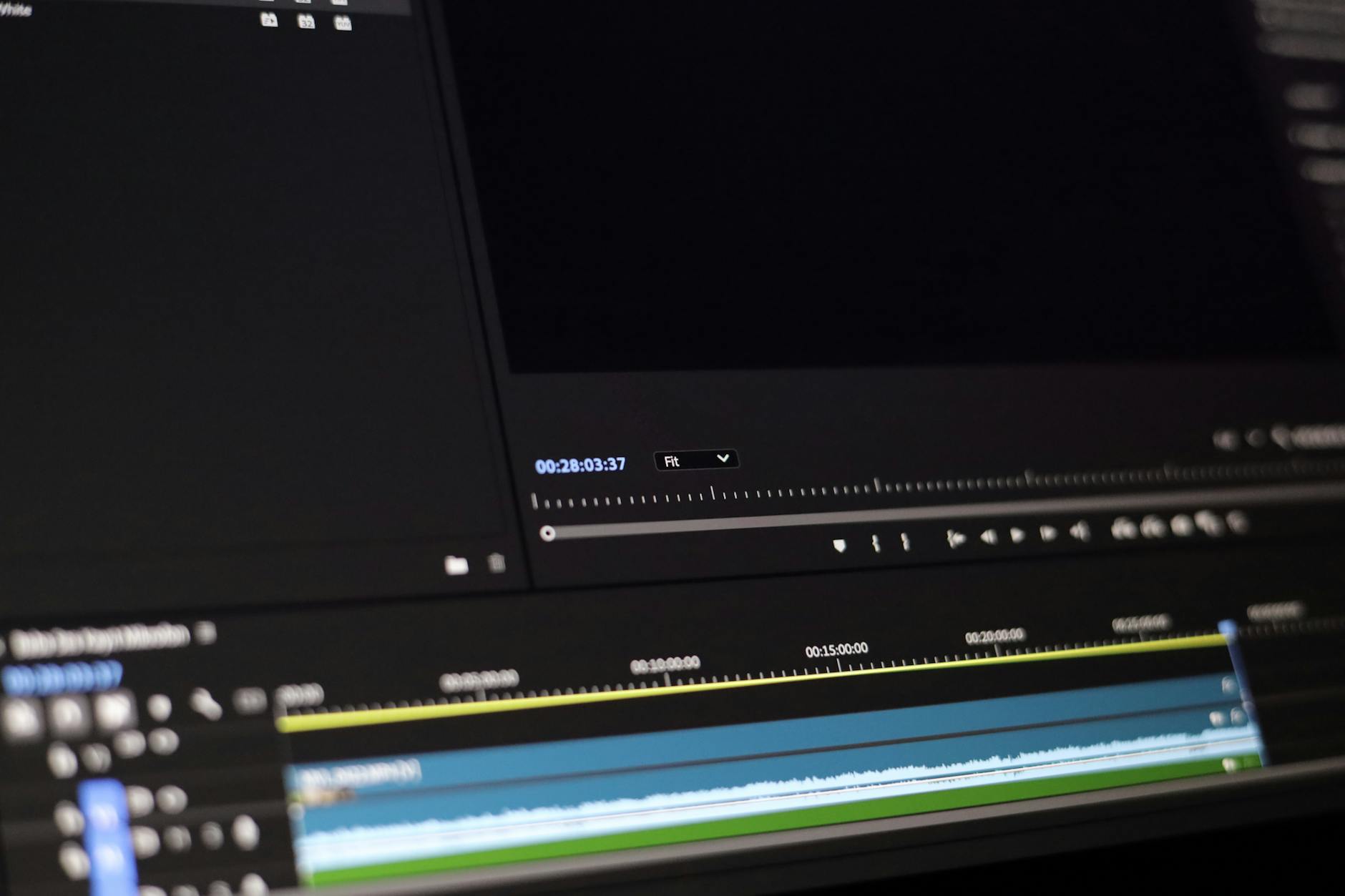
AI Revolution in Indian Film Editing: A 2026 Perspective
The Indian film industry, valued at approximately $2.3 billion in 2024, stands at the precipice of a technological transformation that will fundamentally reshape how films are edited. By 2026, Artificial Intelligence is expected to capture nearly 35% of the post-production editing market in India, according to a recent report by the Motion Picture Association India and FICCI. This shift promises unprecedented efficiency while simultaneously raising critical questions about employment and creative authenticity.
Current State of AI in Indian Film Editing
As of late 2024, several Indian production houses have already begun integrating AI-powered editing tools into their workflows. Companies like Vasan Visual Collaborations in Chennai and Mumbai-based Reliance Entertainment have been experimenting with AI-assisted color grading and automated scene selection. Adobe Premiere Pro’s new AI features, combined with emerging Indian startups like EditAI and FrameFlow, are slowly becoming industry standards.
The Tamil Nadu film industry, which produces over 250 films annually with a market value of approximately ?8,500 crores, is particularly positioned to benefit from these technological advancements. Chennai’s post-production sector, housing over 1,200 editing studios and freelance editors, currently employs approximately 15,000 professionals directly.
How AI Will Transform Editing by 2026
By 2026, AI-powered systems will handle routine editing tasks with 90% accuracy, according to tech analyst Vikram Prasad from the All India Film Equipment Association. Automated color correction, dialogue synchronization, and even preliminary rough cuts will be generated in hours rather than days. For instance, a typical Tamil film requiring 40-50 days of manual editing could potentially be reduced to 15-20 days with AI assistance.
Major production houses across South India are already testing these capabilities. Sudhakar Productions and Rajamohan Films in Chennai have reported 25% faster turnaround times using hybrid AI-human editing models. The cost savings are significant-editing budgets for mid-budget Tamil films (?5-15 crores) could decrease by 20-30%, freeing resources for other production aspects.
Impact on Tamil Nadu’s Film Industry
Chennai’s position as a major post-production hub makes it crucial to understand local implications. The city hosts major facilities like CineRay Studios, Arri Imaging, and numerous boutique editing houses. Industry veteran and editor Sreekar Prasad, who has edited over 100 Tamil, Telugu, and Hindi films, believes AI will be complementary rather than replacive.
The Tamil film industry’s prolific output-with directors like Lokesh Kanagaraj, Vetrimaaran, and Sudha Kongara producing critically acclaimed work-demands faster post-production without compromising quality. AI can handle the technical grunt work, allowing editors like Prasad to focus on creative decisions and emotional pacing that define great cinema.
However, the Tamil Nadu Film Chamber of Commerce estimates that approximately 3,000-4,000 junior editors and assistant editors across Chennai could see job displacement if transition training isn’t implemented immediately. The government has already announced preliminary skill development programs through the Tamil Nadu e-Governance and Services Index.
Emerging AI Tools Reshaping the Industry
Several platforms are gaining traction in Indian studios. DaVinci Resolve’s neural engine handles color grading autonomously, while newer entrants like Runway ML and Synthesia are exploring AI-generated scene transitions and effects. Indian startups like Viddio (based in Bangalore) are developing region-specific tools optimized for Tamil, Telugu, Kannada, and Malayalam content.
Chennai-based startup PixelCraft AI is currently piloting automated subtitle generation and lip-sync correction specifically for regional Indian films. They’ve already partnered with five mid-size production houses in Tamil Nadu, processing approximately 50 hours of content monthly.
Skills Evolution: Reskilling the Editing Community
The transition to AI-augmented editing demands significant reskilling. Major institutions like the Vels Institute of Science, Technology and Advanced Studies in Chennai, and the Chennai-based Broadcast Engineering Society are introducing AI fundamentals into film editing curricula.
By 2026, the ideal editor won’t just understand cutting, pacing, and storytelling-they’ll need competency in AI tool operation, machine learning basics, and data management. Senior editors will increasingly shift toward supervisory roles, overseeing AI outputs and making critical creative decisions.
Economic Implications and Future Outlook
Industry analysts project that while 30-40% of routine editing jobs may become automated, new opportunities will emerge. AI maintenance specialists, prompt engineers for creative AI tools, and data managers will become new job categories. The Chennai Film Industry Association estimates 2,000-3,000 such roles could materialize by 2026.
The broader Indian film market is expected to grow to $3.2 billion by 2026, with AI enabling more rapid content production to meet rising demand from OTT platforms. Netflix, Amazon Prime Video, and regional players like SunNXT and Zee5 are increasingly commissioning regional content-AI editing efficiency supports this growth.
Conclusion: Adapting to Change
The future of film editing in India and Tamil Nadu specifically isn’t about AI replacing humans-it’s about evolution. By 2026, the most successful production houses will be those that strategically implement AI while investing in human talent development. Chennai’s legacy as a creative hub depends on embracing this transition thoughtfully, ensuring that technological progress enhances rather than diminishes the rich storytelling tradition that defines Indian cinema.
View on Amazon India →
* Affiliate link – we may earn a small commission at no extra cost to you
Frequently Asked Questions
How will AI impact film editors’ jobs in Tamil Nadu by 2026?
AI will automate repetitive editing tasks, potentially displacing junior editors. However, experienced editors will transition to creative supervision roles, managing AI tools and ensuring artistic vision while improving workflow efficiency.
What AI tools are Indian production houses currently using for editing?
Companies like Vasan Visual Collaborations in Chennai use AI-powered editing software for automated cuts, color correction, and sound synchronization. These tools integrate with traditional editing platforms, enhancing rather than replacing human creativity.
Will AI editing reduce production costs for Tamil film industry?
Yes, AI editing can reduce post-production timelines by 30-40%, lowering labor costs significantly. This enables faster content production and makes filmmaking more accessible to independent Tamil creators with limited budgets.
How much of India’s editing market will AI capture by 2026?
According to Motion Picture Association India and FICCI reports, AI is expected to capture approximately 35% of India’s post-production editing market by 2026, representing substantial industry transformation.
What skills should film editors develop to remain relevant in 2026?
Editors should master AI tools, develop strong creative direction abilities, and focus on storytelling expertise. Understanding color grading, sound design, and managing AI workflows will keep professionals competitive in the evolving industry.