Understanding Balance Sheet Basics for Indian Investors
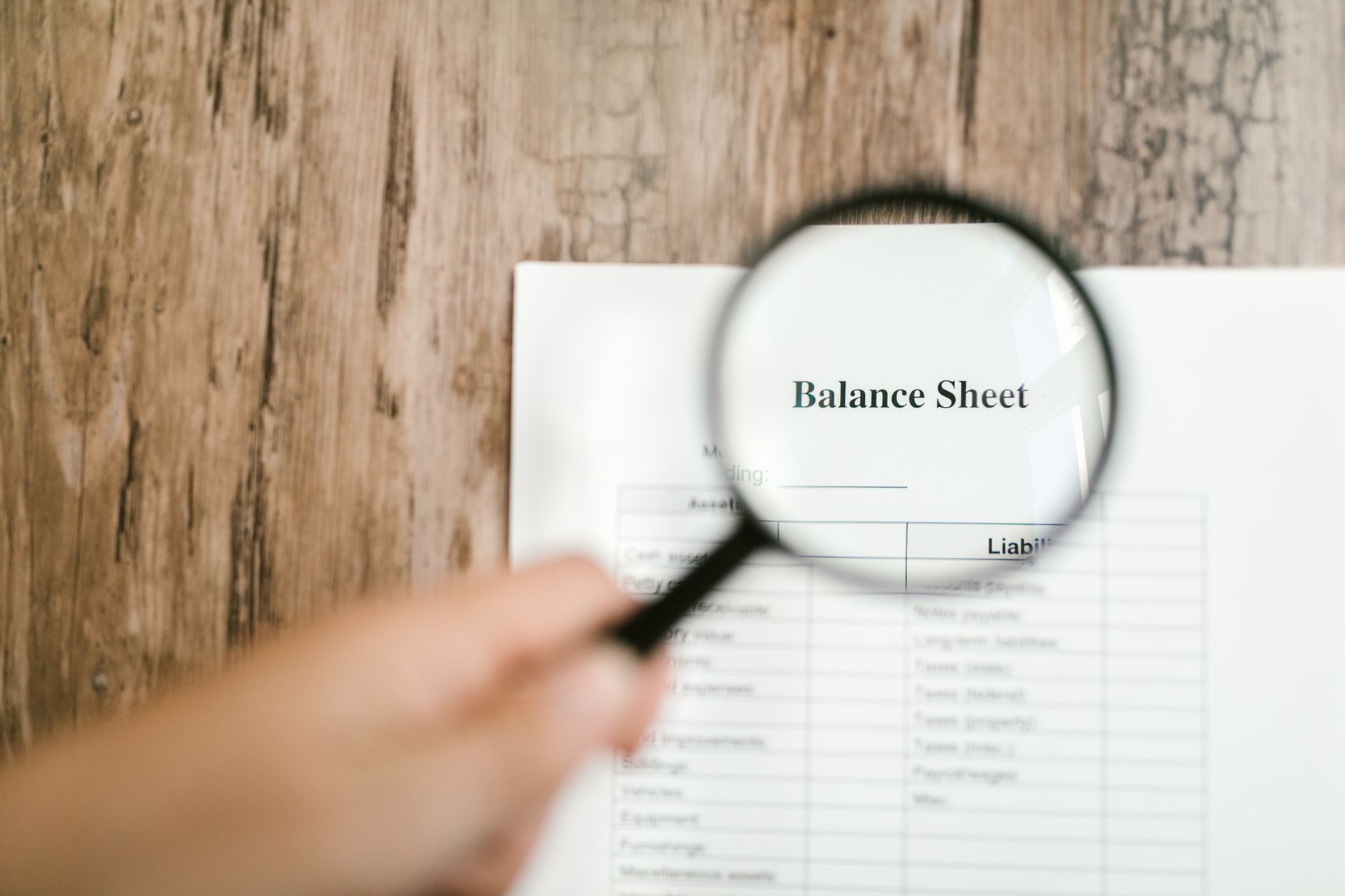
A balance sheet is the financial snapshot of any company listed on NSE (National Stock Exchange) or BSE (Bombay Stock Exchange). For Tamil Nadu investors looking to make informed decisions about stocks like TCS, Infosys, or Bajaj Auto, understanding balance sheets is fundamental. The balance sheet follows a simple equation: Assets = Liabilities + Shareholders’ Equity. This golden rule remains constant whether you’re analyzing a Chennai-based textile company or a Mumbai tech giant.
The Three Main Components of a Balance Sheet
Indian company balance sheets are divided into three critical sections. First, you have Assets, which represent what the company owns. These include current assets like cash, receivables, and inventory, as well as fixed assets like property, machinery, and patents. Second, Liabilities show what the company owes to creditors and financial institutions. Third, Shareholders’ Equity represents the net worth belonging to company owners and investors.
Analyzing Current Assets: The Liquidity Test
For Tamil Nadu investors, understanding a company’s liquidity is crucial. Current assets should be significantly higher than current liabilities. Take Infosys, listed on NSE with symbol INFY. When examining quarterly results filed with BSE, look at cash and bank balances, trade receivables, and inventories. A healthy current ratio (current assets divided by current liabilities) of 1.5 or higher indicates the company can meet short-term obligations. Companies like TCS (ticker: TCS on NSE) typically maintain strong current ratios above 2.0, reflecting their financial stability.
Fixed Assets: Long-term Investment Value
Fixed assets determine a company’s productive capacity. For industrial stocks relevant to Tamil Nadu investors, such as Murugappa Group companies or TVS Motor (BSE: TVSMOTOR), examining property, plant, and equipment is essential. These assets generate revenue over many years. Depreciation reduces their book value annually. Understanding asset turnover ratio-revenue divided by total assets-shows how efficiently management deploys resources. A higher asset turnover indicates better operational efficiency.
Understanding Liabilities and Debt Levels
Every company borrows money. The question for fundamental analysts is whether debt levels are manageable. Current liabilities include short-term borrowings, trade payables, and accrued expenses. Long-term liabilities comprise bonds, bank loans, and deferred tax liabilities. NSE-listed companies like HDFC Bank regularly disclose debt structures. Tamil Nadu investors should calculate the debt-to-equity ratio-total liabilities divided by shareholders’ equity. A ratio below 1.0 generally suggests safer leverage levels, though this varies by industry.
Shareholders’ Equity: The Real Owner’s Stake
Shareholders’ equity represents the residual value after subtracting liabilities from assets. This includes paid-up capital, reserves, and retained earnings. For BSE-listed companies, examining retained earnings growth indicates whether management reinvests profits or distributes them as dividends. Companies like ITC (NSE: ITC), popular among Chennai investors, maintain substantial reserves for expansion and dividend payments. Book value per share-calculated by dividing total equity by outstanding shares-helps identify undervalued stocks.
Reading Financial Ratios from Balance Sheets
Several critical ratios emerge from balance sheet analysis. Return on Assets (ROA) measures profit relative to total assets, showing management efficiency. Return on Equity (ROE) shows profit relative to shareholder investment. For Tamil Nadu investors evaluating banks like Indian Bank or Federal Bank listed on NSE/BSE, strong ROE above 15% indicates excellent capital deployment. Working capital-current assets minus current liabilities-should remain positive and ideally growing.
Comparing Balance Sheets Across Quarters
Fundamental analysis requires tracking changes over time. NSE and BSE mandate quarterly and annual balance sheet submissions. Smart investors compare balance sheets across quarters and years to identify trends. If inventory suddenly spikes while sales remain flat, it signals potential operational issues. If cash reserves continuously decline, investigate whether the company is investing wisely or facing financial stress. Websites like BSE India and NSE India provide free access to all listed company filings.
Sector-Specific Balance Sheet Analysis
Different industries require adjusted analysis approaches. Manufacturing companies like Cummins India (NSE: CUMMINSIND) or Ashok Leyland carry significant fixed assets, requiring focus on asset depreciation and turnover. IT companies like Wipro (BSE: WIPRO) operate with lean balance sheets and minimal inventory. Finance companies like ICICI Bank emphasize loan portfolios and capital adequacy ratios. Tamil Nadu investors should understand their chosen sector’s unique balance sheet characteristics.
Red Flags in Balance Sheets
Experienced fundamental analysts watch for warning signs. Sudden changes in accounting policies, significant write-offs, or extraordinary items deserve investigation. If intangible assets consume major portions of total assets, analyze their quality. Consistently declining equity or increasing liabilities warrant caution. Contingent liabilities disclosed in footnotes can hide significant obligations not reflected in main balance sheet figures.
Balance Sheet Analysis for Tamil Nadu Investors
Tamil Nadu’s investor base includes many seeking dividend-paying stocks. Balance sheet analysis reveals dividend sustainability by examining cash flows against dividend commitments. Manufacturing hubs in Tamil Nadu attract investors to industrial stocks where capital-intensive balance sheets are normal. Understanding local companies’ balance sheets before investing helps maximize returns while managing risk effectively.
Disclaimer: This article is purely educational and informational in nature. It does not constitute financial advice, investment recommendations, or solicitation to buy or sell securities. All investors should conduct thorough research, consult qualified financial advisors, and verify information from official NSE/BSE websites before making investment decisions. Past performance does not guarantee future results. Stock market investments carry inherent risks, and investors may lose principal amounts. The examples mentioned are for educational purposes only and do not imply endorsement or recommendation.
Disclaimer: This article is for educational purposes only and does not constitute financial advice. Please consult a SEBI-registered financial advisor before investing. NammaNewz is not responsible for investment decisions made based on this content.
View on Amazon India →
* Affiliate link – we may earn a small commission at no extra cost to you
Frequently Asked Questions
What is a balance sheet and why is it important for Indian investors?
A balance sheet is a financial snapshot showing a company’s assets, liabilities, and equity. For NSE/BSE investors, it’s crucial for understanding company health, making informed investment decisions, and comparing financial performance of Indian stocks like TCS or Infosys.
How do I read a balance sheet of NSE or BSE listed companies?
Balance sheets follow Assets = Liabilities + Shareholders’ Equity formula. Review current assets (cash, receivables), fixed assets, current liabilities, and equity. Compare year-over-year changes to identify trends in Chennai-based or Mumbai companies.
What are the three main components of an Indian company balance sheet?
The three components are: Assets (what company owns – cash, inventory, receivables), Liabilities (what company owes), and Shareholders’ Equity (owner’s stake). Understanding these sections helps Tamil Nadu investors evaluate financial stability of Indian stocks.