Freshwater Springs Just Off the Salty Sea: A Glimmer of Hope for Tamil Nadu’s Water Woes
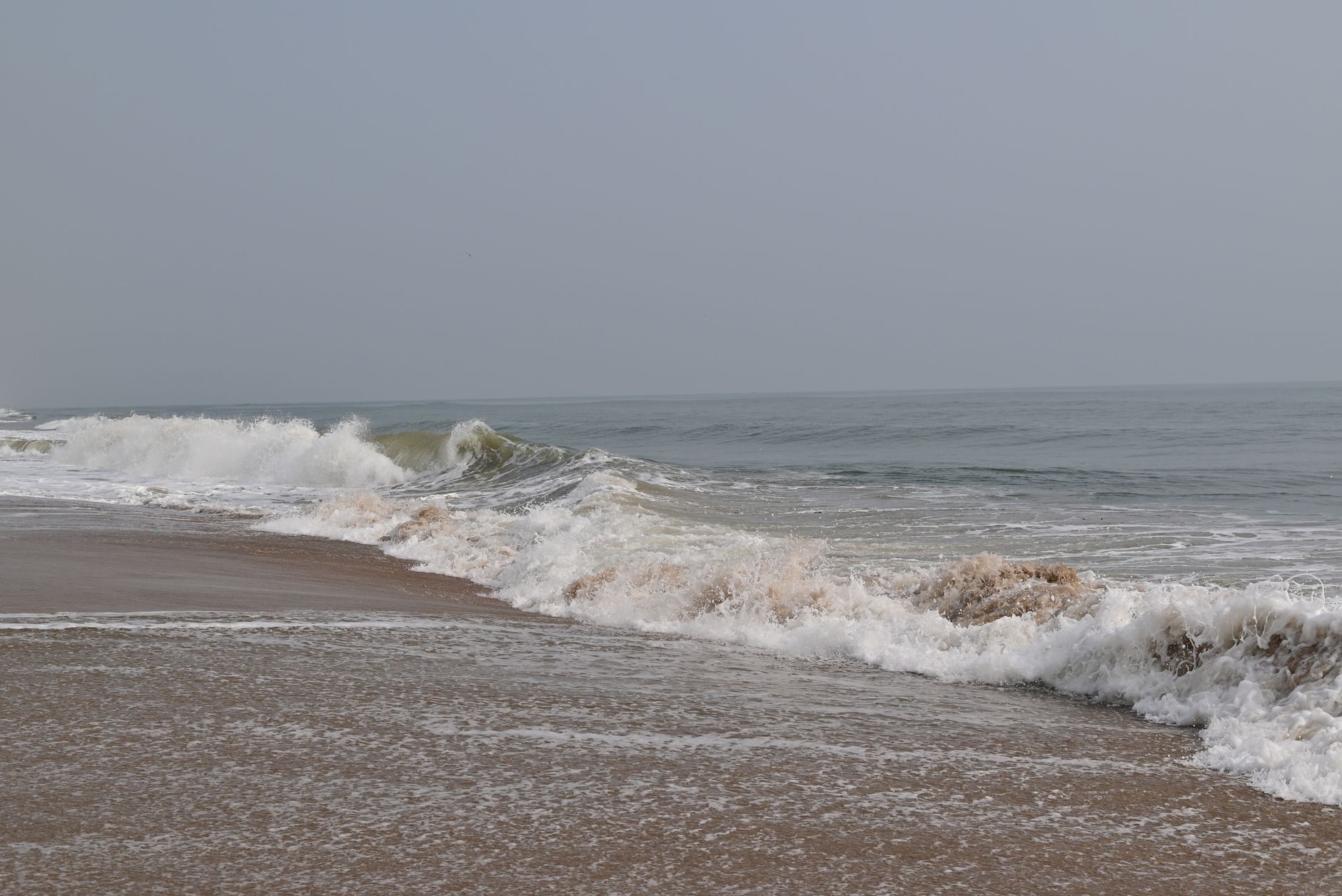
In a development that has caught the attention of water resource experts and environmental scientists, freshwater springs have been discovered trickling into the Arabian Sea just off Chennai’s coastline. While the quantity appears modest, this finding has reignited discussions about alternative water sources for Tamil Nadu, a state perpetually battling acute water scarcity.
For Chennai residents and Tamil Nadu citizens who have endured multiple droughts, water rationing, and dependency on distant water sources, this discovery represents a potential piece in the larger puzzle of water security. But what exactly does this mean for ordinary people? Let’s break it down.
Understanding the Freshwater Springs Discovery
Recent surveys and studies conducted by water resource departments have identified natural freshwater springs emerging from underground aquifers beneath the seafloor near Chennai’s coastal region. These springs release freshwater into the surrounding saltwater, creating what hydrologists call “submarine groundwater discharge.” Such phenomena are not uncommon globally, but their presence in significant quantities near a major metropolitan area like Chennai opens new possibilities.
The springs appear to originate from ancient freshwater reserves trapped in underground geological formations. As groundwater naturally flows toward the sea, it emerges through these geological pathways, representing a constant source of renewable freshwater that most residents have been unaware of until now.
Why This Matters for Tamil Nadu and Chennai
Tamil Nadu faces one of India’s most severe water challenges. Chennai, the state capital and home to over 7 million people, has repeatedly faced critical water shortages. The city’s four main reservoirs-Red Hills, Chembarambakkam, Poondi, and Cooum-often run dry during summer months. Residents have experienced water supply interruptions lasting weeks, with tanker water becoming the lifeline for many neighborhoods.
Beyond Chennai, rural Tamil Nadu communities face equally dire situations. Farmers depend on monsoons and groundwater, both increasingly unpredictable. The state’s water table has dropped dramatically over decades due to overexploitation and urbanization. With a population exceeding 72 million and growing industrial demands, Tamil Nadu’s water deficit widens yearly.
Against this backdrop, any natural freshwater source gains significance. While the trickle of water from these submarine springs might seem minimal compared to the state’s massive requirements, experts believe it could be the starting point for innovative water harvesting and desalination strategies.
The Scientific Perspective: Is It Viable?
Water resource experts maintain cautiously optimistic views. The quantity of freshwater discharge through these springs is modest-likely insufficient to independently meet Chennai’s daily water demand of approximately 830 million liters. However, scientists suggest multiple angles of exploration:
Integration with Desalination: These freshwater springs could reduce the salt content in surrounding seawater, making desalination more efficient and cost-effective. Desalination plants require significant energy; fresher source water could improve efficiency.
Groundwater Recharge: Understanding these submarine discharge points helps scientists map underground aquifer systems better. This knowledge could improve groundwater management practices across Tamil Nadu.
Long-term Research: Studies into these springs could reveal larger underground freshwater reserves, potentially transformable into usable sources through advanced extraction techniques.
Challenges and Realistic Expectations
While encouraging, this discovery comes with realistic caveats. Environmental scientists warn against over-optimism. The freshwater springs represent a natural balance in coastal geology; over-exploitation could disrupt marine ecosystems and potentially reduce the flow itself.
Additionally, extracting and distributing this freshwater would require substantial infrastructure investment-pipelines, treatment facilities, and distribution networks. Government budgets already stretch thin across existing water projects. Public-private partnerships might be necessary but often prove contentious in Tamil Nadu.
Another concern involves potential contamination. Coastal groundwater can contain trace minerals and occasionally require treatment before use. Quality assessment studies must precede any large-scale extraction plans.
Impact on Common Tamil Nadu Citizens
For the average Chennai resident or Tamil Nadu farmer, this discovery’s immediate impact will likely be minimal. Water tanker rates won’t drop tomorrow, and summer scarcity won’t disappear next year. However, it symbolizes progress in addressing the state’s fundamental challenge.
If successfully developed, freshwater springs could contribute to a diversified water supply strategy. Experts increasingly acknowledge that no single solution exists-Chennai and Tamil Nadu must combine multiple approaches: rainwater harvesting, wastewater recycling, efficient irrigation, desalination, and yes, exploiting natural freshwater sources like these springs.
For farmers in rural areas, improved understanding of groundwater systems could lead to better irrigation planning and sustainable agricultural practices. For urban residents, every additional water source potentially means reduced dependency on distant rivers and reservoirs, translating to greater supply reliability.
What Happens Next?
The discovery now awaits government action. Ideally, comprehensive studies should precede development plans. Environmental impact assessments, geological surveys, and feasibility studies are essential before any extraction infrastructure is built.
Scientists recommend establishing monitoring systems to track freshwater spring activity, ensuring sustainable use that doesn’t deplete underground reserves or damage marine ecosystems. State water authorities should collaborate with research institutions and international experts in submarine groundwater discharge management.
Practical Advice for Tamil Nadu Readers
Stay Informed: Follow official announcements from Tamil Nadu Water Resources Department regarding this discovery’s development plans.
Continue Conservation: Regardless of new water sources, conservation remains critical. Every household should prioritize water-saving practices-fixing leaks, installing water-efficient fixtures, and harvesting rainwater.
Support Sustainable Policies: Engage with local governance to support comprehensive water management strategies combining multiple sources rather than betting on single solutions.
Understand Ground Reality: Recognize that developing this resource takes time and investment. Short-term solutions like efficient water recycling and usage optimization remain essential.
The trickle of freshwater off Chennai’s coast represents hope, but hope requiring serious scientific work, thoughtful governance, and continued citizen participation in India’s ongoing water security challenge.
Frequently Asked Questions
Where were freshwater springs discovered near Chennai?
Freshwater springs have been discovered trickling into the Arabian Sea just off Chennai’s coastline. This finding has caught attention of water resource experts and environmental scientists studying alternative water sources for Tamil Nadu.
How can these freshwater springs help Tamil Nadu’s water shortage?
These springs represent a potential alternative water source for the state’s severe water scarcity. While quantities are modest, they contribute to solving Tamil Nadu’s water security puzzle and reduce dependency on distant water sources.
What do experts say about freshwater springs off Chennai?
Water resource experts and environmental scientists view this discovery as significant for Tamil Nadu’s water security. However, experts emphasize that while promising, these springs form only one piece of the larger solution to the state’s chronic water shortage.