DMDK Flags Power Cuts, Calls for Forming Panel to Fix MSP for Farmers
Understanding the DMDK’s Dual Concern
The Desiya Makkal Dravida Kazhagam (DMDK), a prominent political party in Tamil Nadu, has recently raised significant concerns about two critical issues affecting millions of residents across the state: frequent power cuts and inadequate Minimum Support Price (MSP) for farmers. The party’s appeal for the formation of a dedicated panel to address these problems reflects growing frustration among both urban and rural populations in Tamil Nadu.
These issues are not just political talking points-they directly impact the daily lives of Chennai residents, farmers in rural Tamil Nadu, and small business owners across the state. Whether you’re running a small shop in T. Nagar or managing a farm in Villupuram district, these concerns touch your wallet and livelihood.
The Power Cut Crisis in Tamil Nadu
Power cuts have become increasingly common across Tamil Nadu, particularly during peak demand seasons. Chennai, despite being the state capital and a major metropolitan area, has not been spared from these disruptions. For ordinary citizens, unplanned power outages mean spoiled food in refrigerators, disrupted work-from-home arrangements, and increased dependency on costly diesel generators.
The power situation has become especially challenging for low-income households that cannot afford backup power solutions. Students preparing for competitive exams, professionals working from home, and patients dependent on medical equipment all face genuine hardship during extended outages.
DMDK’s intervention highlights how power distribution remains one of Tamil Nadu’s persistent infrastructure challenges. The state’s power generation capacity, though improved over the years, still struggles to meet rising demand, particularly during summer months when air conditioning usage peaks across urban centers like Chennai, Coimbatore, and Madurai.
Why MSP Matters to Tamil Nadu Farmers
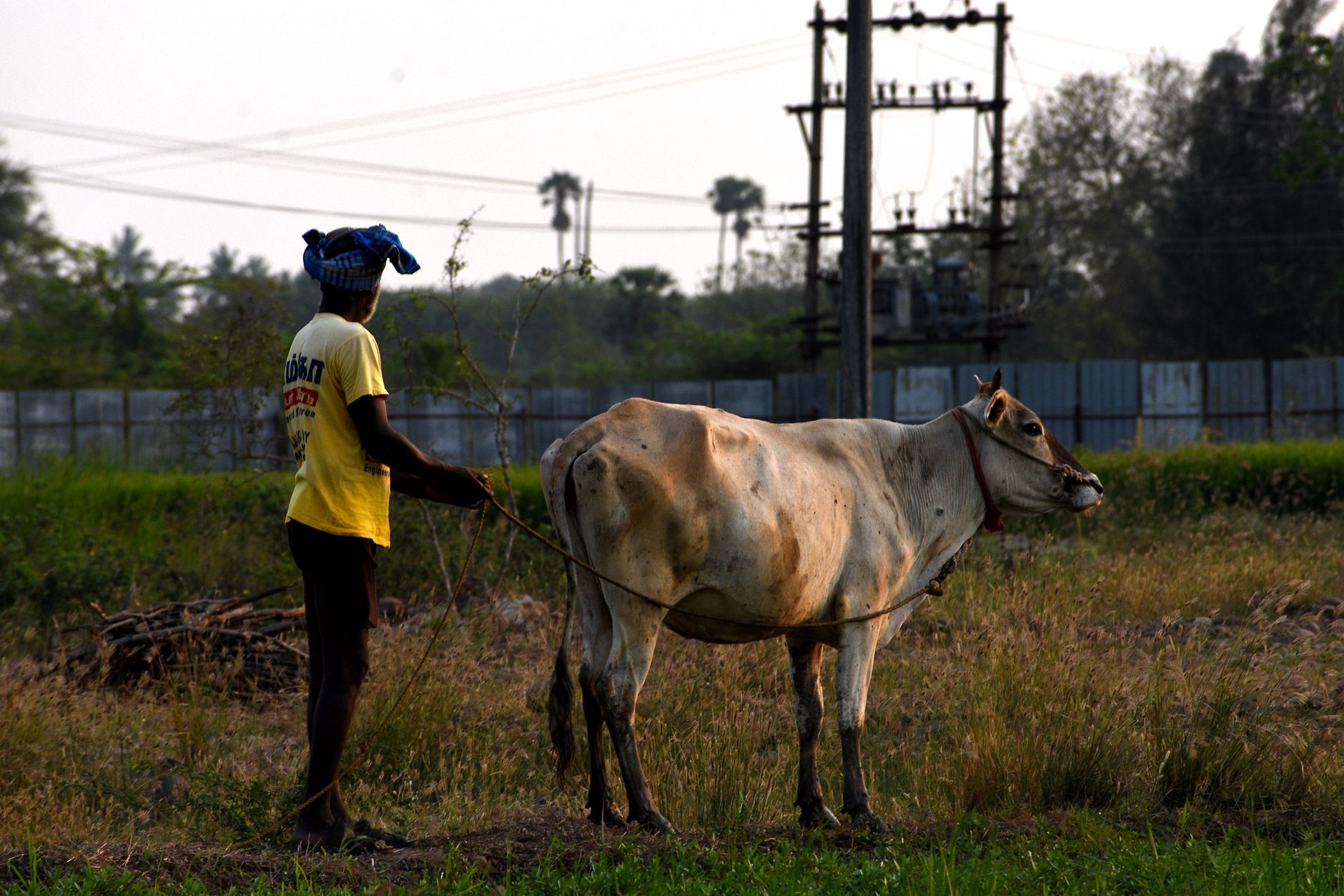
The Minimum Support Price (MSP) is a government-set price floor that guarantees farmers will receive at least a certain amount for their crops. For Tamil Nadu’s agricultural community-which includes rice, sugarcane, coconut, and vegetable farmers-MSP protection is vital for economic survival.
Farmers in districts like Thanjavur, Tiruppur, and Coimbatore often face unpredictable market prices. Without adequate MSP protection, they struggle to recover production costs, let alone make a profit. This economic pressure has contributed to farmer distress across the state and has been a persistent political issue in Tamil Nadu.
DMDK’s call for a dedicated panel to fix MSP addresses a long-standing demand from agricultural communities. A structured panel could ensure that price floors are regularly reviewed, adjusted for inflation, and responsive to local farming conditions in Tamil Nadu.
How These Issues Connect to Your Daily Life
If you’re a Chennai resident, power cuts directly affect your comfort, productivity, and household expenses. For those in the IT industry, irregular power supply means reliance on backup systems, which increases company costs that ultimately affect salaries and job security.
If you’re a consumer buying vegetables at your local market or ordering groceries online, inadequate farmer MSP means lower agricultural income, which eventually leads to reduced agricultural investment, lower productivity, and potentially higher food prices.
For small business owners-whether running shops, restaurants, or service centers-power interruptions cause revenue loss and increased operational costs. Many businesses have had to invest in UPS systems, inverters, or generators to maintain continuity, representing substantial capital outlay.
DMDK’s Proposed Solution: A Panel Approach
By calling for the formation of a panel to address MSP issues, DMDK suggests a more systematic approach to agricultural pricing. Such a panel could include agricultural experts, economists, farmer representatives, and government officials who would regularly assess crop prices, production costs, and market conditions specific to Tamil Nadu.
The panel concept is not entirely new-similar bodies exist in other states and at the national level. However, Tamil Nadu-specific considerations would be crucial. The state’s diverse agricultural zones, varying soil conditions, and different crop patterns require nuanced understanding that a dedicated panel could provide better than generalized national policies.
What Experts Say About These Issues
Power sector analysts point out that Tamil Nadu’s challenge stems from a combination of factors: aging infrastructure, increasing demand from urbanization, and dependence on renewable energy sources that fluctuate seasonally. Addressing this requires investment in new power generation capacity, grid modernization, and demand management strategies.
Agricultural economists note that MSP alone isn’t sufficient-farmers also need better market access, reduced middlemen, and transparent pricing information. A comprehensive approach combining MSP protection with market reform could be more effective than price support alone.
What You Should Do: Practical Advice for Tamil Nadu Residents
For Managing Power Cuts:
- Invest in an inverter or UPS system if you haven’t already-these are now more affordable and reliable than before
- Keep important phone numbers of your electricity distribution company handy to report prolonged outages
- Join local resident associations that collectively advocate for better power infrastructure
- Switch to LED bulbs and energy-efficient appliances to reduce overall consumption
For Supporting Farmer Welfare:
- Buy directly from farmers’ markets when possible, reducing middleman involvement
- Support organizations working on agricultural reform and farmer welfare
- Stay informed about agricultural policies affecting your state
- Contact elected representatives expressing your support for farmer-friendly policies
Looking Ahead: What Tamil Nadu Needs
DMDK’s intervention is significant because it brings attention to two interconnected problems affecting Tamil Nadu’s development. Power security and agricultural viability are not separate issues-they’re linked. Better power supply enables better irrigation and agricultural productivity, which in turn supports rural economies and reduces urban migration pressure.
Whether such a panel is formed and how effective it becomes will depend on political will and implementation capacity. Citizens should monitor this issue and hold elected representatives accountable for addressing these concerns.
The real test will be whether political promises translate into concrete improvements in your daily life-whether power cuts reduce, whether farmers get better prices, and whether the average Tamil Nadu resident sees tangible benefits from these policy interventions.