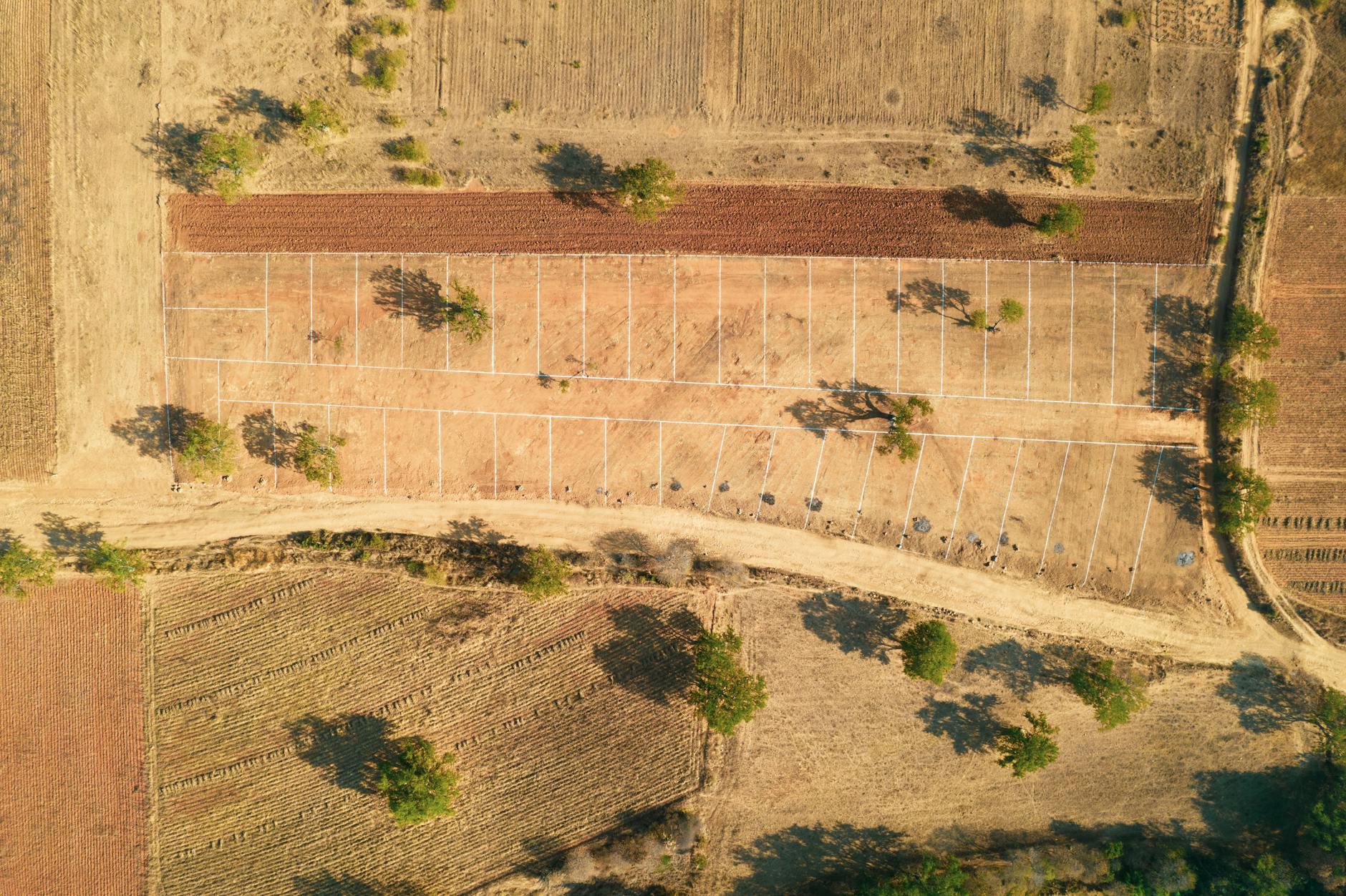
CMDA Approved Plots Chennai 2026 – Safe Investment Guide
Buying a plot in Chennai is a dream for many Indian homebuyers and investors. With the city’s rapid development and improving infrastructure, CMDA (Chennai Metropolitan Development Authority) approved plots have become an increasingly attractive investment option. However, navigating the real estate market requires knowledge, caution, and understanding of legal procedures. This comprehensive guide will help you make a safe, informed decision when investing in CMDA approved plots in Chennai during 2026.
Understanding CMDA Approval – What It Means for Buyers
The Chennai Metropolitan Development Authority, established in 1971, is the primary body responsible for planning, development, and regulation of Chennai’s metropolitan area. When a plot carries the “CMDA approved” tag, it means the land has been officially recognized and verified by this authority, ensuring it meets statutory requirements and developmental standards.
CMDA approval provides several critical safeguards for buyers: the plot boundaries are officially demarcated, the land use is clearly defined (residential, commercial, industrial), and the development follows Chennai’s master plan. This approval significantly reduces the risk of disputes, encroachment issues, or sudden demolition orders that often plague unapproved properties in Tamil Nadu.
For Indian investors, CMDA approval essentially acts as a government guarantee that your investment is legitimate and legally recognized. This is especially important given the complexity of property laws in Tamil Nadu and the Chennai region.
Current Price Ranges for CMDA Approved Plots in Chennai
Plot prices in Chennai vary dramatically based on location, size, and proximity to city amenities. As of 2026, here’s what buyers can expect:
Premium Zones (Close to CBD): Plots in areas like T. Nagar, Nungambakkam, and Alwarpet command prices ranging from ?50 lakhs to ?3 crores for a 500-1000 sq.ft. plot. These areas offer excellent connectivity and established infrastructure.
Mid-Range Areas: Neighborhoods like Velachery, Taramani, and Old Mahabalipuram Road (OMR) offer plots priced between ?20 lakhs to ?1 crore for similar sizes. These areas are increasingly popular with IT professionals and young families.
Emerging Localities: Developing zones like Sriperumbudur, Kanchipuram, and areas along the Chennai-Bangalore Highway offer plots at ?10 lakhs to ?40 lakhs for 1000-2000 sq.ft. plots. These locations are ideal for long-term appreciation.
Suburban Developments: CMDA approved plots in areas like Pondy Bazaar surroundings or Chengalpattu district range from ?5 lakhs to ?15 lakhs per plot, appealing to budget-conscious buyers planning residential development.
Key Chennai Areas with Strong CMDA Approval Record
Thoraipakkam: Known for its IT corridor presence, Thoraipakkam plots range from ?40 lakhs to ?1.5 crores. CMDA approval here is robust, with good road connectivity and upcoming metro infrastructure.
Vadapalani: A residential hub offering CMDA approved plots at ?35 lakhs to ?80 lakhs. The area has consistent appreciation and excellent social infrastructure including schools and hospitals.
Perungudi: Premium residential area where CMDA approved plots start from ?60 lakhs and go up to ?2 crores. Known for stable property values and established communities.
Ambattur: Industrial and residential blend, offering affordable CMDA approved plots at ?12 lakhs to ?35 lakhs, attracting investors seeking value appreciation.
Legal Checklist for Buying CMDA Approved Plots
Before investing your hard-earned money, ensure you complete this essential legal checklist:
1. Verify CMDA Approval Certificate: Request the original CMDA approval certificate from the seller. Cross-verify with the CMDA office (Chepauk) online portal or in person. This document should clearly state the plot number, extent, and land use classification.
2. Check Encumbrance Certificate: Obtain an Encumbrance Certificate (EC) from the Sub-Registrar’s office for the past 13 years. This proves the property is free from mortgages, legal disputes, or pending loans.
3. Title Deed Verification: Ensure you have clear title deeds tracing ownership back at least 30 years. Tamil Nadu property law requires unbroken chain of ownership for legitimate transfer.
4. Khata Certificate: Verify the property’s Khata (property identification) with the Chennai Municipal Corporation or local gram panchayat. Ensure the municipal assessment is current.
5. Property Tax Records: Check all property tax payments are up-to-date with zero pending dues. Unpaid taxes can create complications during registration.
6. Survey Number Verification: Confirm the survey number and metes-and-bounds description matches official records. Visit the Revenue Department office for verification.
7. No Objection Certificates: Ensure no NOCs are pending from municipal, water supply, or drainage departments.
Tamil Nadu Property Registration – Essential Steps
Registration is the final, crucial step that makes your ownership legal and transferable. In Tamil Nadu, all property transfers must be registered with the Sub-Registrar’s office within four months of the agreement date.
The registration process requires both parties (buyer and seller) to present original documents, sign the deed before the Sub-Registrar, and pay stamp duty. Current stamp duty in Tamil Nadu ranges from 5-7% depending on the property value and buyer category.
Registration fees are approximately 1-2% of the property value. While this seems expensive, registration protects your investment legally and ensures no disputes emerge later regarding ownership.
RERA Compliance and Buyer Protection
The Real Estate Regulatory Authority (RERA), established under the Real Estate (Regulation and Development) Act 2016, oversees all real estate transactions in Tamil Nadu. While individual plot sales from private owners may not always fall under RERA jurisdiction, buying from developers or through project-based sales absolutely requires RERA compliance.
Always check if the developer is RERA registered and if the project is listed on the Tamil Nadu RERA portal (tn.rera.gov.in). This provides recourse if disputes arise.
Practical Investment Tips for Chennai Plot Buyers
Tip 1: Location Research: Spend time physically visiting the area, understanding infrastructure development plans, and studying the locality’s demographic growth.
Tip 2: Engage a Property Lawyer: Hiring a Tamil Nadu-qualified property lawyer costs ?10,000-30,000 but prevents costly legal issues later.
Tip 3: Negotiate Price: CMDA approved plots often have flexibility in pricing. Research comparable sales and negotiate respectfully.
Tip 4: Get Insurance: Consider property insurance to protect against unforeseen circumstances.
Tip 5: Understand Future Development: Check the Chennai Master Plan for upcoming infrastructure like metro extensions, highways, or commercial zones near your target plot.
Red Flags to Avoid
Never purchase plots with unclear ownership, missing documentation, or pending legal disputes. Avoid properties where the seller cannot provide CMDA approval certificate, has discrepancies in survey numbers, or where municipal taxes remain unpaid.
Your Next Steps
Start your CMDA approved plot investment journey by consulting with established real estate agents, visiting the properties physically, and engaging a qualified lawyer. Visit the CMDA office or website to verify approvals independently. With proper due diligence and this guide’s framework, you can invest confidently in Chennai’s booming real estate market during 2026.
Frequently Asked Questions
What does CMDA approval mean for plot buyers in Chennai?
CMDA approval ensures the plot complies with Chennai’s development regulations, town planning laws, and infrastructure standards. It guarantees legal legitimacy and protects your investment from future disputes or demolition risks.
What is the average price of CMDA approved plots in Chennai 2026?
Prices vary by location: ?40-60 lakhs in developing areas, ?80+ lakhs in prime localities. Factors include proximity to metro, schools, and highways. Always compare nearby properties for fair market valuation.
Is RERA registration mandatory for CMDA approved plots?
Yes, all residential projects including plots must be RERA registered. Verify the project’s RERA registration number on the official website before buying to ensure transparency and buyer protection.