Chola and Hoysala Idols at Risk During Egmore Museum Renovation: A Concern for Tamil Nadu’s Cultural Legacy
The Government Museum in Egmore, Chennai-one of India’s oldest and most prestigious museums-is undergoing renovation work, but concerns have been raised about the safety and preservation of priceless Chola and Hoysala dynasty idols housed within its walls. For Tamil Nadu residents and heritage enthusiasts, this development raises important questions about how we protect our ancient cultural treasures during modernization efforts.
What Is Happening at Egmore Museum?
The Government Museum at Egmore, established in 1851, is undergoing a much-needed renovation and restoration project aimed at improving infrastructure, visitor facilities, and museum standards. Like many heritage institutions in India, the museum requires periodic upgrades to maintain its structural integrity and provide better public access to its collections.
However, during this renovation work, heritage experts and museum professionals have flagged concerns about the handling, storage, and protection of the museum’s most valuable artifacts-particularly the exquisite Chola and Hoysala bronze idols and stone sculptures that form the crown jewels of its collection.
Why Are Chola and Hoysala Idols So Important?
For those unfamiliar with these dynasties, the Chola empire (9th-13th centuries) and the Hoysala kingdom (10th-14th centuries) were among South India’s most powerful and culturally sophisticated kingdoms. They left behind an unparalleled legacy of art, architecture, and religious sculpture.
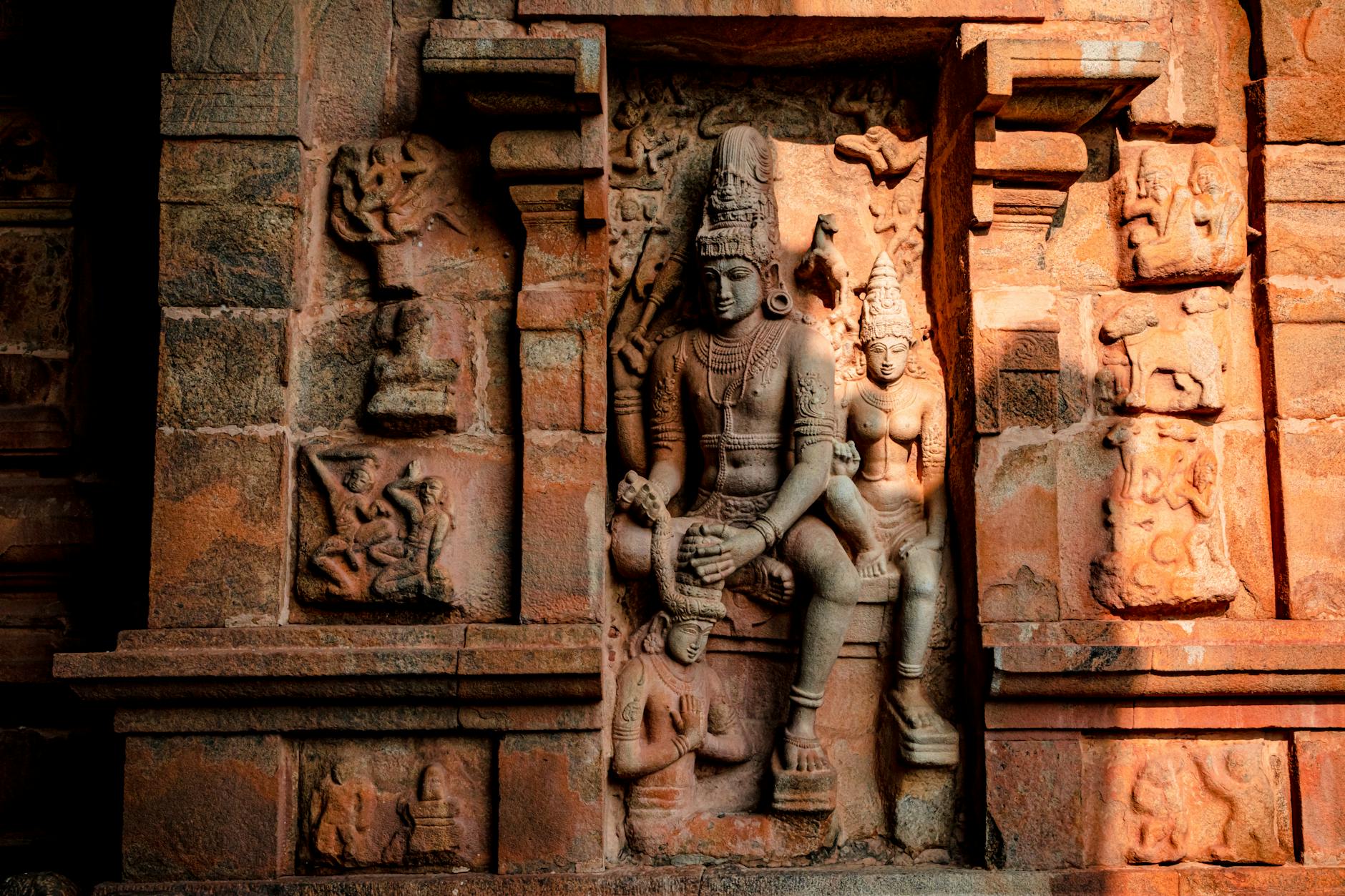
The Chola bronzes, in particular, are considered masterpieces of ancient Indian metallurgy and artistic expression. These idols-depicting gods, goddesses, and celestial beings-showcase a level of craftsmanship that has rarely been matched in human history. The Hoysala sculptures, known for their intricate detailing and architectural integration, similarly represent the zenith of South Indian temple art.
The Egmore Museum houses one of the finest collections of these artifacts outside of temple contexts, making it a crucial repository of Tamil Nadu’s cultural identity and India’s heritage.
What Are the Specific Risks?
During renovation activities, delicate ancient artifacts face several potential threats:
Structural Vibrations: Construction work, drilling, and heavy machinery can cause vibrations that may damage fragile sculptures and potentially alter their physical integrity over time.
Environmental Exposure: Inadequate climate control during renovation phases can expose artifacts to fluctuating temperature and humidity levels, leading to expansion, contraction, and eventual deterioration of bronze and stone materials.
Handling and Storage Issues: Moving thousands of artifacts requires specialized expertise. Improper handling, inadequate protective materials, or substandard temporary storage facilities could result in irreparable damage.
Pest and Contamination Risks: Construction work generates dust and debris that can penetrate and damage artifacts if proper containment measures aren’t implemented.
Security Concerns: During renovation periods when museum operations are disrupted, there are heightened risks related to artifact security and unauthorized access.
Impact on Chennai Residents and Tamil Nadu’s Cultural Pride
For ordinary Chennai residents and Tamil Nadu citizens, this situation matters on several levels. First, these artifacts represent our shared cultural heritage-the artistic and spiritual legacy of our ancestors. They are not merely museum pieces; they are expressions of Tamil Nadu’s historical significance and global cultural contribution.
Second, the Egmore Museum is one of Chennai’s major tourist and educational destinations. Preservation issues could affect the museum’s long-term viability and its ability to serve as an educational resource for students, researchers, and tourists. The museum contributes to Chennai’s identity as a cultural hub and supports the local economy through tourism.
Third, this situation raises broader questions about institutional accountability: How well are our government agencies managing precious public assets? What oversight mechanisms exist to prevent heritage damage? These questions concern every citizen invested in good governance and cultural preservation.
What Is Being Done to Address These Concerns?
The Tamil Nadu government and museum authorities have stated that renovation work is being conducted in phases and that precautions are being taken to protect artifacts. Some measures reportedly include:
. Creation of temporary climate-controlled storage areas for artifacts during renovation phases
. Employment of specialized conservators and heritage experts
. Reduced construction work during storage and handling of sensitive pieces
. Regular inspections and condition assessments
. Enhanced security measures
However, heritage groups and museum professionals continue to advocate for even more rigorous protocols and transparency regarding the conservation procedures being implemented.
What Can Concerned Citizens Do?
Stay Informed: Keep track of updates from the Tamil Nadu government’s official cultural department and museum authority websites. Follow reputable heritage organizations’ statements on the renovation.
Support Heritage Conservation: Consider supporting organizations working on artifact preservation. Many NGOs focusing on heritage conservation welcome volunteer participation and donations.
Engage with Local Representatives: If you’re concerned about preservation standards, reach out to your local elected representatives and express your interest in heritage protection. Public pressure encourages better governance.
Visit When Possible: When the museum reopens areas to visitors, visit and observe the condition of artifacts. Supporting the museum through visits demonstrates community interest in its preservation.
Seek Educational Resources: If you want to learn more about Chola and Hoysala art, consider reading books on South Indian art history. View books on Chola and Hoysala art on Amazon India to deepen your understanding of these treasures.
Looking Forward: The Bigger Picture
The Egmore Museum renovation represents both a challenge and an opportunity. While renovation risks demand careful management, successful completion could significantly enhance preservation standards and visitor experience for future generations.
Tamil Nadu’s cultural heritage belongs to all of us. By staying informed, engaged, and vocal about preservation standards, we can help ensure that the magnificent artistic legacy of the Chola and Hoysala dynasties remains protected for future generations to appreciate and learn from.