Chennai Power Cuts: Minister Claims Some Instigating Protests After Supply Restored
What Happened: Minister’s Statement on Chennai Power Disruption
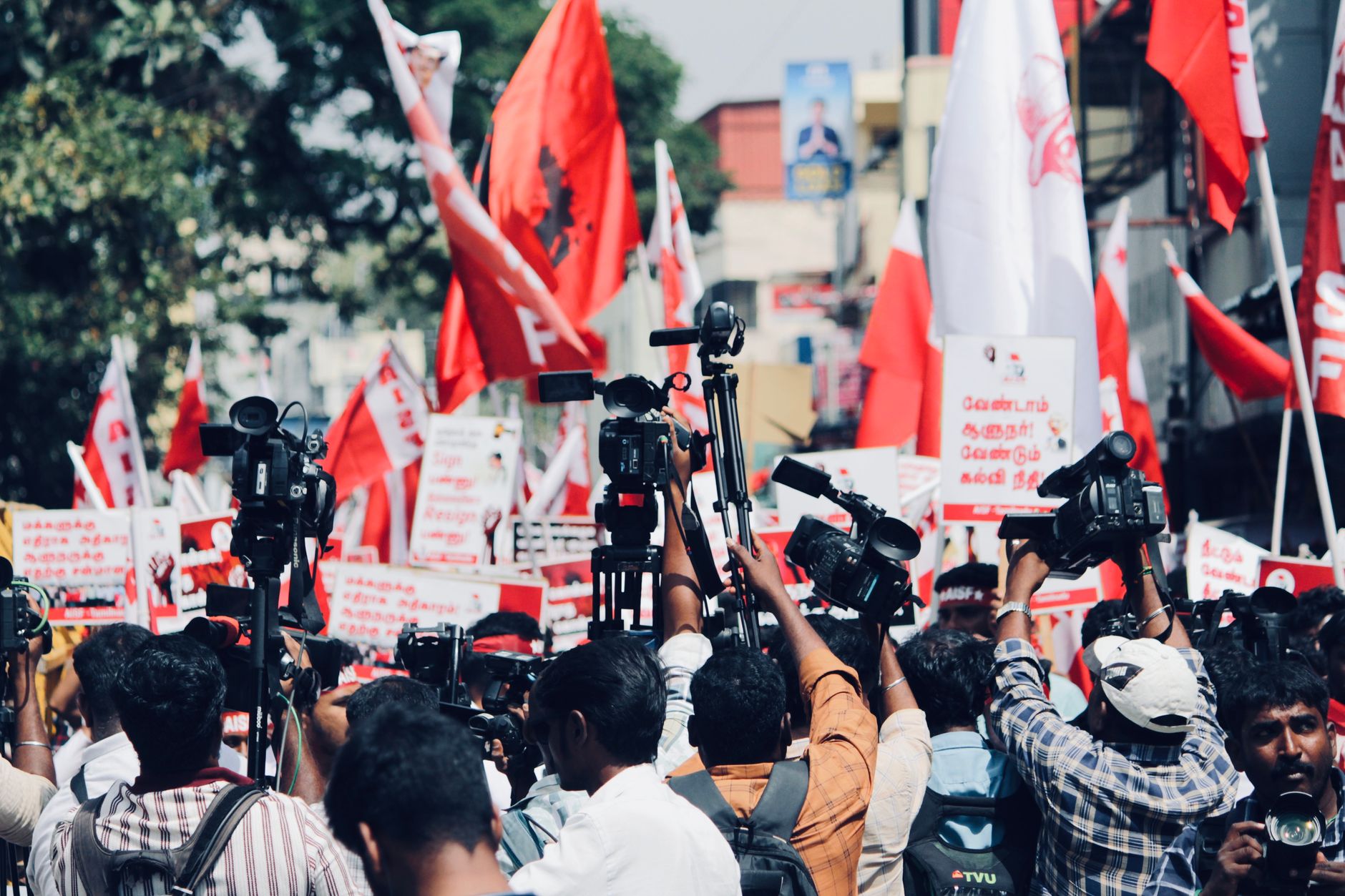
Tamil Nadu Minister Nirmalkumar recently made headlines by alleging that certain individuals are deliberately instigating residents to stage protests against power cuts in Chennai, even after electricity supply has been restored to affected areas. This statement has sparked considerable debate among common people, political observers, and residents across the city who have been grappling with recurring power disruptions in recent months.
According to the Minister’s claims, while the TANGEDCO (Tamil Nadu Generation and Distribution Corporation) has taken steps to restore power supply and address technical issues, some groups are allegedly using the situation to fuel public discontent beyond the actual problem period. This allegation raises important questions about the real causes of power disruptions and who bears responsibility for ongoing frustration among Chennai residents.
The Reality of Chennai’s Power Crisis: Citizen Impact
For ordinary residents living in Chennai and surrounding areas of Tamil Nadu, power cuts are far from just a minor inconvenience. Daily outages lasting several hours have disrupted normal life, affecting schoolchildren, working professionals, and families across the city.
During extended power cuts, small businesses operating from homes, internet cafes, and neighborhood shops have suffered revenue losses. Working mothers managing household chores find it increasingly difficult without basic appliances. Students preparing for competitive exams struggle with broken study schedules. Elderly residents and patients dependent on medical equipment face genuine health risks during prolonged outages.
The impact extends to food preservation, water supply (as many buildings rely on electric pumps), and general quality of life. In a city like Chennai with summer temperatures often exceeding 38-40 degrees Celsius, power cuts become not just uncomfortable but potentially dangerous for vulnerable populations.
Minister’s Allegation: Context and Concerns
Minister Nirmalkumar’s statement suggests a distinction between legitimate grievances about power cuts and what he characterizes as manufactured protest movements. He implies that while some power disruptions did occur due to technical faults or maintenance work, certain individuals are prolonging public anger even after issues have been resolved.
This allegation is significant because it touches upon the broader question: Are residents protesting current problems or being mobilized for political purposes? The Minister appears to be suggesting the latter in some cases.
However, from a common citizen’s perspective, it’s important to ask: Why would residents need “instigation” to protest if they genuinely experienced severe hardships during power cuts? The claim itself warrants scrutiny, as genuine public frustration often emerges organically from real suffering.
Power Distribution Issues in Tamil Nadu: The Bigger Picture
Chennai and Tamil Nadu have faced recurring power supply challenges due to multiple factors: aging infrastructure, increasing demand, transmission losses, and seasonal maintenance requirements. TANGEDCO has been struggling to balance supply and demand, particularly during peak summer months when air-conditioning demand surges.
The state generates power from thermal plants, renewable sources, and imports from neighboring states. Any disruption in this chain can lead to cascading outages. Recent years have seen significant investments in solar and wind energy projects, yet distribution remains problematic in many areas.
For Tamil Nadu residents, understanding these technical reasons doesn’t reduce the inconvenience but provides context for the challenges faced by the power distribution authority.
Distinguishing Legitimate Grievances from Political Mobilization
The Minister’s statement raises an important civic question: How do we differentiate between genuine public sentiment and orchestrated movements? This is relevant not just for power supply issues but for democratic participation broadly.
Residents who experienced actual power cuts-losing food stored in refrigerators, missing work, struggling through hot nights-have legitimate reasons for frustration. Their voices deserve attention from authorities. Simultaneously, if certain groups are exploiting these grievances for political gain beyond the actual crisis period, that’s also worth examining.
The truth likely lies in the middle: Yes, real power cuts happened and caused real suffering. Yes, some people may amplify these grievances for political purposes. Both realities can coexist.
What Tamil Nadu Residents Should Know
For common people in Chennai and Tamil Nadu, several takeaways emerge from this situation:
Track the Facts: Check TANGEDCO’s official website or local news for actual power cut schedules and reasons. Don’t rely solely on social media rumors.
Report Genuine Issues: If your area experiences unexplained outages, lodge formal complaints with TANGEDCO through their consumer portal or local offices. Documentation creates accountability.
Prepare Practically: Invest in backup power solutions appropriate to your needs-inverters, power banks, or solar chargers. View home inverters and UPS systems on Amazon India for various budgets.
Engage Constructively: Participate in consumer forums and resident associations to collectively address power issues rather than relying on political mobilization.
Practical Advice for Chennai Residents Facing Power Cuts
Until infrastructure improvements yield sustained results, residents can adopt practical measures: Schedule important activities during confirmed supply hours, maintain emergency lighting options, keep food storage practices that minimize spoilage, and stay hydrated during outages.
Most importantly, stay informed through official channels rather than speculation. Power cuts are frustrating, but understanding their causes and your rights as consumers empowers you to demand better service while distinguishing genuine issues from political theater.
Tamil Nadu’s power sector needs investment, maintenance, and efficiency improvements-issues that transcend political blame games and require sustained focus on infrastructure development.