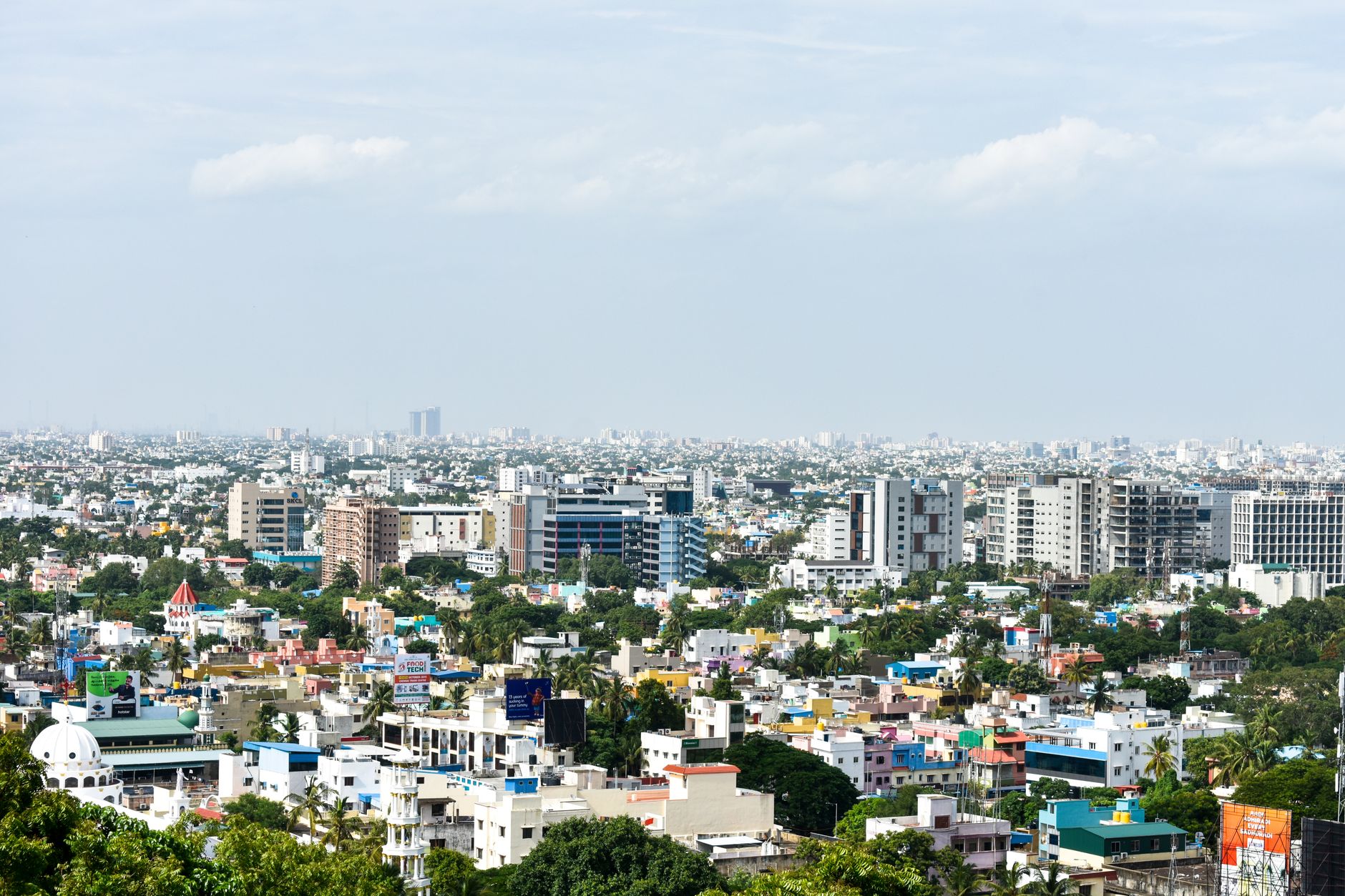
Chennai North vs South vs West Zone Investment Guide 2026: Complete Comparison for Smart Property Investors
Chennai’s real estate market has transformed dramatically over the past decade, with each zone offering distinct advantages and investment opportunities. Whether you’re a first-time homebuyer, a seasoned investor, or someone looking to diversify your portfolio, understanding the differences between North, South, and West Chennai is crucial for making informed decisions in 2026. This comprehensive guide breaks down each zone to help you choose the best investment location for your needs and budget.
North Chennai: The Emerging Industrial Hub
North Chennai has historically been considered an industrial and working-class area, but recent developments have transformed it into a potential goldmine for savvy investors. The region extends from Royapuram to Tiruvallur and encompasses areas like Tondiarpet, Kathivakkam, Vyasarpadi, and Thiruvanmiyur.
Current Price Range (2026): Properties in North Chennai range from ?4,500 to ?7,500 per square foot for residential apartments, making it significantly more affordable than South and West zones. Individual plots can be found at ?3,000 to ?6,000 per square foot depending on proximity to metro stations.
Growth Potential: The extension of the Chennai Metro to North Chennai has been a game-changer. With the metro rail project nearing completion, connectivity has improved dramatically. Areas like Wimco Nagar and Korukkupet are witnessing 15-20% annual appreciation. The industrial corridor is developing rapidly, attracting corporate offices and manufacturing units.
Connectivity: The Chennai Metro Phase II covers North Chennai extensively. The Old Mahabalipuram Road (OMR) extension and proposed elevated highway projects promise to reduce commute times significantly. Auto-rickshaw stands and bus terminals remain plentiful, maintaining affordability in transportation.
Best For: Budget-conscious first-time buyers, investors looking for capital appreciation in underdeveloped areas, families seeking spacious homes at reasonable prices, and professionals working in industrial estates.
South Chennai: The Premium Investment Zone
South Chennai, including areas like Nungambakkam, Mylapore, T. Nagar, Adyar, and Besant Nagar, has long been the preferred destination for affluent Chennaiites and investors seeking premium properties.
Current Price Range (2026): South Chennai commands premium prices, ranging from ?12,000 to ?25,000+ per square foot for residential apartments. Premium locations like T. Nagar and Mylapore see prices exceeding ?30,000 per square foot. Plots are rarely available but fetch ?15,000 to ?40,000 per square foot depending on exact location.
Growth Potential: While South Chennai has already appreciated significantly, the growth rate has moderated to 8-12% annually. However, the stability and consistent demand make it a safer investment. Rental yields in South Chennai range from 3-4%, attractive for income generation alongside appreciation.
Connectivity: Excellent connectivity via metro, buses, and local transport. The area is closer to IT parks, hospitals, educational institutions, and shopping centers. Commute times to central business districts are minimal. The proposed Chennai metro extensions will further enhance accessibility.
Best For: Established professionals, senior citizens seeking established neighborhoods with premium amenities, investors prioritizing stability over aggressive growth, families valuing proximity to schools and hospitals, NRI investors seeking traditional upscale properties.
West Chennai: The Balanced Growth Option
West Chennai, encompassing areas like Avadi, Ambattur, Poonamalle, and Guindy, represents the balanced middle ground between North’s affordability and South’s premium positioning.
Current Price Range (2026): West Chennai offers moderate pricing between ?6,500 and ?12,000 per square foot for apartments. Plots are available at ?5,000 to ?10,000 per square foot. This sweet spot attracts middle-class to upper-middle-class investors.
Growth Potential: West Chennai is experiencing robust growth rates of 12-18% annually. Infrastructure development, IT park expansion, and SEZ growth are driving appreciation. The Chennai Metro’s Ambattur extension and planned airport connectivity via metro are catalysts for future growth. Some analysts project 25-30% appreciation over the next 5 years in prime West Chennai pockets.
Connectivity: The Avadi-Ambattur-Guindy corridor is increasingly connected. The Chennai Metro covers significant portions, and major highways like GST Road ensure quick access to South Chennai and the airport. Bus networks are extensive and affordable.
Best For: Middle-class families seeking growth potential with manageable prices, young professionals wanting to build equity, investors seeking balanced risk-reward, expatriate workers wanting affordable yet developing areas, businesses looking at commercial spaces.
Comparative Analysis: Investment Parameters
Affordability: North Chennai leads in affordability, followed by West, then South. If budget is your primary constraint, North is unbeatable.
Growth Rate: West Chennai shows the highest growth momentum (12-18%), followed by North (15-20% in select pockets), with South being stable but slower (8-12%).
Rental Yield: North Chennai offers 4-5% rental yields, West offers 3.5-4.5%, while South offers 3-4% due to high property values.
Safety & Stability: South Chennai is the safest bet for conservative investors. West offers good balance. North carries higher risk but higher reward potential.
Infrastructure Development Timeline for 2026
All three zones are receiving significant infrastructure boosts. North Chennai’s metro expansion, West Chennai’s IT park growth, and South Chennai’s commercial hub development will continue driving investment opportunities. The proposed Chennai-Bangalore industrial corridor will particularly benefit North and West zones.
Final Recommendation for Investors
Your choice should align with your financial capacity, investment timeline, and risk appetite. Choose North Chennai if you’re a value investor with 7-10 year horizon seeking maximum appreciation from emerging areas. Choose West Chennai if you seek balanced growth with current affordability and moderate risk. Choose South Chennai if you prioritize stability, established lifestyle, and consistent but moderate returns.
For 2026, West Chennai emerges as the most attractive option for average Indian investors, offering the best combination of growth potential, affordability, and connectivity. However, North Chennai presents exceptional opportunities for risk-tolerant investors, while South Chennai remains the safe haven for capital preservation.
Before finalizing any investment, consult local real estate experts, verify property documentation thoroughly, and consider future urban planning developments. Chennai’s real estate market rewards patient, informed investors who understand these zone dynamics.
Frequently Asked Questions
Which Chennai zone is best for property investment in 2026?
North Chennai offers emerging growth potential with industrial development, South Chennai provides premium appreciation, while West Chennai balances affordability with connectivity. Choose based on your budget, investment timeline, and expected ROI targets.
What is the average property price in North, South, and West Chennai?
North Chennai ranges from ?4,000-6,000 per sq ft, South Chennai from ?8,000-15,000+ per sq ft, and West Chennai from ?5,000-8,000 per sq ft. Prices vary by locality, amenities, and proximity to metro stations.
Which Chennai zone has better connectivity and infrastructure?
South Chennai has established metro connectivity and commercial hubs. North Chennai is developing rapidly with metro expansion. West Chennai offers balanced connectivity with growing IT parks. All three have improving road and public transport infrastructure.