Understanding Anaithu Grama Anna Marumalarchi Thittam 2026
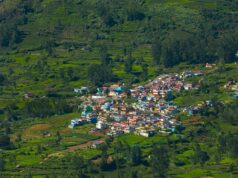
The Anaithu Grama Anna Marumalarchi Thittam 2026 stands as Tamil Nadu’s flagship initiative to transform rural communities across the state. This comprehensive village development scheme, named after former Chief Minister C.N. Annadurai, aims to provide financial assistance and developmental support to villages facing infrastructural challenges. As of 2026, the program has expanded significantly to cover more villages than ever before, with increased budget allocations and broader beneficiary scope.
The scheme primarily focuses on addressing the gap between urban and rural development in Tamil Nadu. With over 12,600 villages across the state, the government has systematically prioritized villages based on development indicators, population density, and existing infrastructure deficits. The 2026 edition of the program has introduced digital tracking systems and real-time monitoring mechanisms to ensure transparent fund utilization.
Key Features and Budget Allocation for 2026
The 2026 financial year has allocated substantial resources for village development across Tamil Nadu. Villages can now receive financial support ranging from ?5 lakh to ?25 lakh depending on their classification and development needs. The classification system divides villages into three categories: Grade A (highly underdeveloped), Grade B (moderately developed), and Grade C (relatively developed).
Tirunelveli district in southern Tamil Nadu serves as an excellent case study. Villages like Kumarakovil and Therkkumalai have received substantial grants under this scheme, resulting in improved water supply systems, better road connectivity, and upgraded healthcare facilities. The state government has sanctioned ?250 crore specifically for 2026 village development projects across all districts.
Eligibility Criteria and Village Classification
Villages seeking funds under Anaithu Grama Anna Marumalarchi Thittam 2026 must meet specific eligibility requirements. The primary criterion involves population assessment, with villages having populations between 5,000 and 50,000 receiving priority consideration. However, smaller and larger villages are not excluded from the scheme.
The development index assessment includes factors such as literacy rates, healthcare facility availability, drinking water access, road infrastructure, and electricity penetration. Villages in Villupuram, Ranipet, and Chengalpattu districts have been extensively evaluated using these metrics. Administrative capacity of local panchayats also plays a crucial role, with better-organized gram panchayats receiving larger allocations and faster processing of funds.
Priority Development Areas Under the Scheme
The 2026 scheme emphasizes several key development areas. Water and sanitation remain top priorities, with villages receiving funds for borewells, check dams, and water treatment systems. Erode district villages have particularly benefited, implementing rainwater harvesting systems that reduced water scarcity by 40% in participating areas.
Rural road connectivity has received significant attention, with ?80 crore allocated for improving internal village roads and connecting gram panchayats to nearby towns. Schools and healthcare centers represent another major focus area. Villages like Pappireddipatti in Dharmapuri district utilized grants to renovate primary health centers and upgrade educational institutions.
Agricultural infrastructure, including farm ponds, irrigation channels, and agricultural extension centers, comprises another critical component. Namakkal and Salem district villages have successfully implemented these projects, leading to increased crop yields and improved farmer incomes.
Application Process and Documentation Requirements
Villages interested in participating must submit applications through their respective gram panchayats before the March 2026 deadline. Required documentation includes census data, existing infrastructure assessment reports, panchayat resolution supporting the application, and detailed project proposals outlining specific development needs.
The gram panchayat president must lead the application process, working alongside the village development committee. Block development officers provide technical assistance in preparing comprehensive project proposals. Digital submission through the Tamil Nadu e-Governance portal has streamlined the application process, reducing processing time from three months to approximately 45 days.
Success Stories and Implementation Tips
Madurai district’s Koodal village exemplifies successful implementation. They received ?18 lakh, which improved drinking water infrastructure, benefiting 3,500 residents. The village panchayat ensured community participation, resulting in 92% fund utilization within the allocated timeframe.
Successful villages share common practices: forming active development committees, conducting transparent public meetings, preparing detailed project plans, and establishing community monitoring mechanisms. Procuring competitive quotations, maintaining transparent financial records, and regular progress reporting significantly accelerate fund disbursement.
Practical Advice for Village Implementation
Villages should prioritize projects addressing immediate community needs while ensuring long-term sustainability. Begin with feasibility studies and detailed cost assessments. Engage panchayat members, local leaders, and community representatives in planning processes. Maintain transparent financial documentation and implement proper project supervision mechanisms. Regular updates to district administration and community stakeholders build confidence and facilitate smoother fund transfers.
The Anaithu Grama Anna Marumalarchi Thittam 2026 represents a transformative opportunity for Tamil Nadu villages. By understanding eligibility criteria, preparing comprehensive proposals, and implementing projects transparently, villages can significantly improve residents’ quality of life and accelerate rural development.
Frequently Asked Questions
What is Anaithu Grama Anna Marumalarchi Thittam 2026?
It’s Tamil Nadu’s flagship village development scheme named after former CM C.N. Annadurai. The program provides financial assistance and infrastructural support to rural communities across the state’s 12,600+ villages to bridge urban-rural development gaps.
Who is eligible for this village development scheme?
Villages in Tamil Nadu meeting specific development indicators are eligible. Prioritization is based on infrastructural challenges, population size, and developmental needs. Individual eligibility depends on village selection and residency status in registered villages.
How do I apply for Anaithu Grama Anna Marumalarchi Thittam?
Application process typically involves village panchayats submitting collective proposals through official Tamil Nadu government portals. Individual residents can contact local panchayat offices for details on community projects and participation opportunities in their village.
What are the main benefits under this scheme?
Benefits include financial assistance for infrastructure development, improved public utilities, better roads and water systems, educational facilities, and healthcare infrastructure in rural areas, directly enhancing quality of life for village residents.
What is the budget allocation for 2026?
The scheme has expanded with increased budget allocations in 2026 compared to previous years. Exact amounts vary by village based on development priorities and project requirements. Check official Tamil Nadu government sources for detailed financial information.